

Key Takeaways
- Small blood clots in menstrual flow can be normal, particularly on heavier-flow days.
- Period blood clots form when menstrual blood collects inside the uterus long enough to coagulate before leaving the body.
- Repeated clots larger than about 2.5 cm, or roughly 1 inch across, can be one sign of heavy menstrual bleeding.
- Fibroids, irregular ovulation, adenomyosis, a copper IUD and bleeding disorders can contribute to heavier periods and larger or more frequent clots.
- Heavy menstrual bleeding over multiple cycles can cause iron-deficiency anaemia, leading to fatigue, weakness or shortness of breath.
Small blood clots during your period are usually normal, especially on heavier-flow days. Blood clots require more attention when they become unusually large or frequent, or appear alongside very heavy bleeding, significant pain, dizziness or a noticeable change in your usual period.
What Are Period Blood Clots?
Period blood clots are gel-like clumps of blood, cells and tissue from the uterine lining that can form during menstruation.
During your period, the uterine lining breaks down and small blood vessels within it bleed. The menstrual blood then moves from the uterus, through the cervix and out through the vagina.
When bleeding is heavier, some blood can temporarily collect inside the uterus before it passes through the cervix, where it begins to clot. Cleveland Clinic notes that small menstrual blood clots are common and are usually not a cause for concern.
Why Do Blood Clots Form During Menstruation?
Blood clots form when the body's normal clotting process thickens menstrual blood that has collected in the uterus before leaving the body.
When the uterine lining sheds, small blood vessels bleed. Platelets and proteins in the blood work together to form clots, helping the body control blood loss.
During heavier flow, more blood can collect inside the uterus before being expelled. The longer it sits there, the more opportunity it has to coagulate into a gel-like clot. This is also why you may sometimes notice a clot after sitting or lying down and then standing up.
Normal Vs Abnormal Period Blood Clots
The size and frequency of your clots, together with how heavily you are bleeding, matter more than simply seeing a clot.
What Size Of Period Clot Is Usually Normal?
Small, occasional clots can occur during a normal period, particularly when your flow is heavier.
As a practical size reference:
- Tiny clots: A few millimetres across can commonly occur.
- Small coin-sized clots: May also occur occasionally during heavier flow.
- Around 2.5 cm or 1 inch: Repeated clots around this size or larger can be a sign of heavy menstrual bleeding.
The NHS identifies clots larger than about 2.5 cm as one possible sign of heavy periods.
When Do Clots Signal Heavy Menstrual Bleeding?
Large or frequent clots are more concerning when they appear alongside other signs of heavy bleeding.
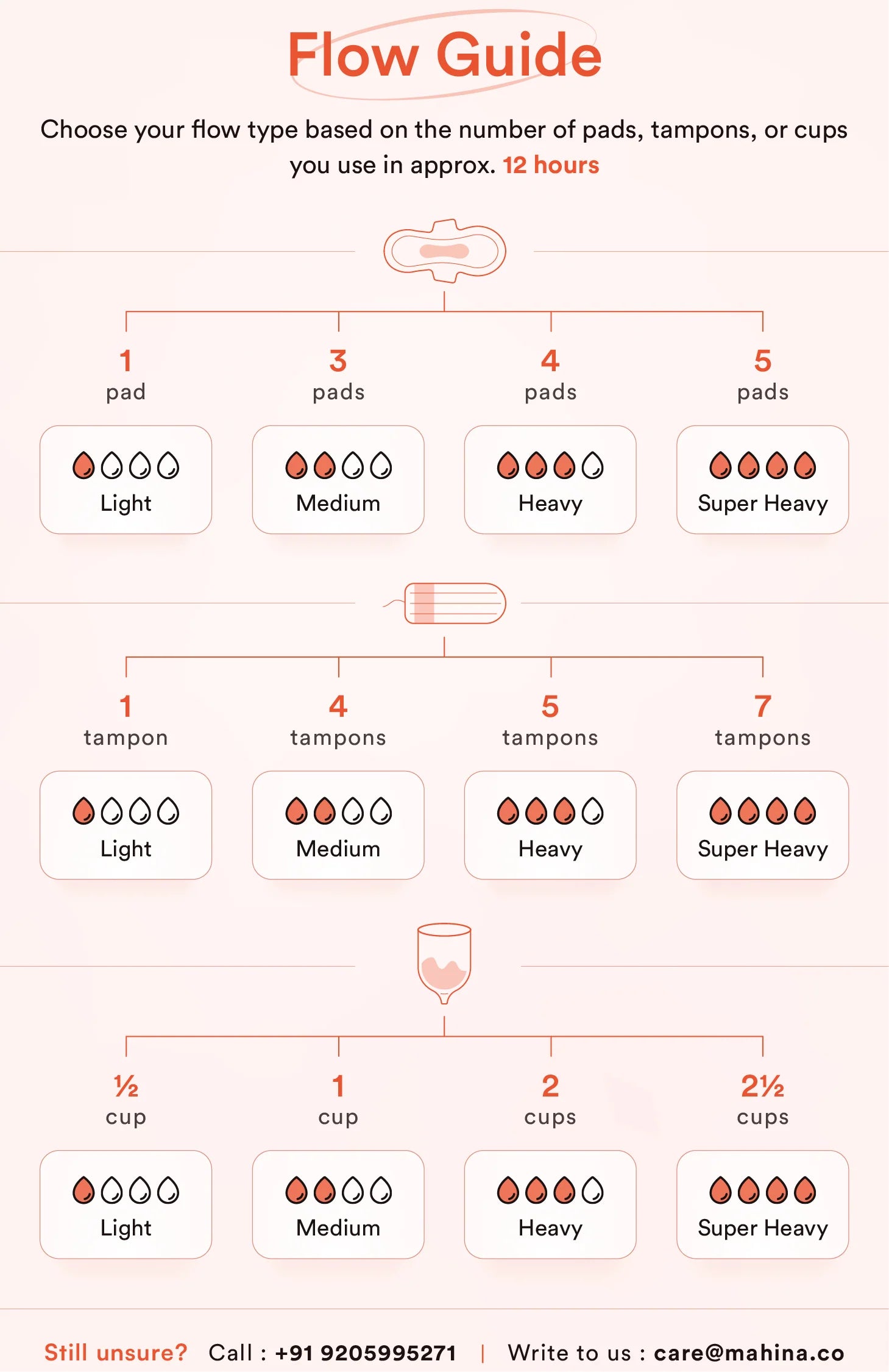
These include bleeding for more than seven days, needing to change a pad or tampon every one to two hours, bleeding through clothes or bedding, or repeatedly passing clots larger than about 2.5 cm.
Common Causes Of Large Or Frequent Blood Clots
Large or frequent clots are usually linked to heavier menstrual bleeding, which can have several different causes.
Uterine Fibroids
Fibroids can make periods heavier or longer, giving menstrual blood more opportunity to form larger clots.
Fibroids are non-cancerous growths in or around the uterus and are a recognised cause of heavy menstrual bleeding.
Hormonal And Ovulation Changes
Irregular ovulation can cause the uterine lining to build up differently and later shed more heavily.
This can happen during puberty or perimenopause and with conditions such as PCOS or thyroid disorders.
Birth Control And IUDs
Contraception can change your menstrual flow and therefore how noticeable clots are.
A copper IUD can make periods heavier, particularly after insertion. Many hormonal contraceptives make periods lighter, although temporary bleeding changes can occur when starting or switching methods.
Endometriosis And Adenomyosis
Endometriosis is more strongly associated with significant period and pelvic pain, while adenomyosis is a recognised cause of both heavy and painful periods.
Some people with endometriosis also report heavy bleeding, but clots alone do not indicate either condition.
Bleeding Disorders
Bleeding disorders can make periods unusually heavy because the body's normal ability to control bleeding is affected.
For example, von Willebrand disease can cause heavy menstrual bleeding. Heavy periods since your first period, frequent nosebleeds, easy bruising or a family history of unusual bleeding are useful details to tell a doctor.
Blood Clots And Anaemia Risk
Passing a blood clot does not itself cause anaemia. The concern is how much blood you are losing overall.
If your periods are repeatedly very heavy and you regularly pass large clots, you may lose more iron through menstrual blood than your body can replace. Over time, this can lead to iron-deficiency anaemia.
Symptoms can include unusual tiredness, weakness, dizziness or shortness of breath. ACOG explains that heavy menstrual bleeding can lead to iron-deficiency anaemia.
Blood Clots During Pregnancy Or Miscarriage
Bleeding with clots during pregnancy is different from menstrual clotting because you do not have menstrual periods while pregnant.
Bleeding in early pregnancy can happen for several reasons, including implantation, changes to the cervix, or a small bleed inside the uterus. Many pregnancies continue normally after some early bleeding.
However, bleeding and clots can also occur with miscarriage or ectopic pregnancy, so the NHS advises getting medical advice for vaginal bleeding during pregnancy. Seek urgent care if bleeding is heavy or comes with severe pain, dizziness, fainting or feeling very unwell.
When To See A Doctor About Period Blood Clots
See a doctor if the clots are repeatedly large, your bleeding has become much heavier, or your usual period pattern has changed.
Get medical advice if you regularly pass clots larger than about 2.5 cm, bleed for more than seven days, change a pad or tampon every one to two hours, develop severe pelvic pain or feel unusually tired, weak or short of breath.
Very heavy bleeding that soaks through a pad or tampon about every hour for more than two consecutive hours needs prompt medical attention.
Conclusion
An occasional small blood clot is usually part of normal menstrual bleeding.
Rather than focusing on one clot, look at the whole pattern: how large the clots are, how often they appear, how heavily you are bleeding and whether anything has changed from your usual period. Repeated large clots or heavy bleeding are worth discussing with a healthcare professional.


Sources
About The Author