

Somewhere in your early-to-mid forties, things start to shift in ways that don't quite add up. Your period, once predictable, starts arriving early one month and not at all the next. You wake up at 3 AM, inexplicably hot. A sneeze or a hard laugh sometimes catches you off guard in a way it never used to. You feel more irritable than usual, and you can't always tell if it's hormones, work, or just life.
For a lot of Indian women, this stretch goes unrecognised for years. Perimenopause isn't widely discussed, even though nearly every woman will go through it, and the conversation around it in India is often limited to "menopause," as though one simply arrives at it overnight. It doesn't. The transition itself can last anywhere from a few years to nearly a decade, and understanding what's actually happening makes an enormous difference in how manageable it feels.
What Is Perimenopause, And How Is It Different From Menopause?
Menopause is a single point in time: the moment you've gone twelve consecutive months without a period. Perimenopause is everything leading up to that. It's the gradual transition during which your ovaries slowly produce less oestrogen and progesterone, and your cycle starts responding to that decline in increasingly unpredictable ways.
For most women, perimenopause begins somewhere in the mid-to-late forties, though it can start earlier, sometimes even in the late thirties. Genetics plays a role, as do certain medical conditions, smoking history, and previous reproductive surgeries. The average stretch lasts around four years, but for some women, symptoms carry on considerably longer than that.
What makes perimenopause particularly hard to pin down is that hormones don't decline in a clean, steady line. They fluctuate, sometimes spiking before falling, which is exactly why symptoms can feel so different from one month to the next.
Early Signs Of Perimenopause
The earliest signs are often subtle enough to be mistaken for stress, ageing, or simply "having a lot going on." A few of the most common early indicators:
- Cycle changes: periods becoming shorter, longer, lighter, or heavier than your usual pattern. For most women, this is the very first sign they notice.
- Hot flashes and night sweats: sudden waves of intense heat that seem to appear from nowhere, sometimes followed by sweating or chills, and often disruptive enough to wake you mid-sleep.
- Sleep disturbances: finding it harder to fall asleep, stay asleep, or wake up feeling properly rested, even when hot flashes aren't keeping you awake.
- Mood changes: more irritability, anxiety, or emotional overwhelm than usual, sometimes without any obvious reason behind it.
- Vaginal dryness: declining oestrogen reduces natural lubrication, which can cause dryness, irritation, or discomfort during intimacy.
- Bladder changes: needing to go more often, a sudden urgency that's hard to ignore, or occasional leaks when coughing, sneezing, laughing, or exercising.
- Brain fog: more forgetfulness, difficulty concentrating, or a feeling that everyday tasks need more mental effort than they used to.
- Joint aches: oestrogen helps regulate joint lubrication and inflammation, so its decline can show up as unexplained stiffness in places you didn't expect.
Not every woman experiences all of these. Some move through perimenopause with mild disruption. Others find it significantly harder to manage day to day.
How Perimenopause Affects Your Periods
Period changes are often one of the first real signals that something is shifting. What that looks like varies, but common patterns include:
- Periods arriving earlier than expected, closer together than they ever used to.
- A cycle that disappears for a month or two and then suddenly shows back up.
- Heavier bleeding than you're used to, sometimes with clots that feel unfamiliar.
- Flow that gradually becomes lighter.
- Cycles that feel shorter one month, longer the next.
- A period that seems to end and then starts again a few days later.
- Changes in flow and timing from one month to the next, with no clear pattern.
For many women, this unpredictability is one of the most frustrating parts. There's often no consistent "new normal" to plan around, at least not initially.
Heavy or unusually unpredictable bleeding is also one of the most common reasons women seek medical advice during this stage. It isn't always a sign of something serious, but it can be genuinely disruptive, and sometimes it does warrant further evaluation.
Lifestyle Changes That Help Manage Perimenopausal Symptoms
Hormonal fluctuations can't be controlled through lifestyle alone. But certain habits make a real difference in how manageable things feel day to day.
-
Diet:
As oestrogen levels decline, looking after your bone health becomes increasingly important. Calcium and Vitamin D play a key role here. Some women also find that foods rich in phytoestrogens, such as soybeans, flaxseeds, and chickpeas, help take the edge off certain symptoms. It may also be worth paying attention to caffeine and alcohol intake, as both can make hot flashes and sleep problems feel worse for some women. -
Exercise:
Regular movement, particularly strength training and weight-bearing activity, supports bone health, mood, sleep, and weight management through this stage. Pelvic floor exercises (Kegels) are worth taking seriously, too; they can meaningfully improve bladder control over time. -
Sleep Hygiene:
A cool bedroom, avoiding heavy meals close to bedtime, and a consistent sleep schedule all help reduce disturbances. Small adjustments, but they add up. -
Stress Management:
Chronic stress makes almost every perimenopausal symptom feel worse. Yoga, meditation, or simply protecting more time for rest aren't optional extras during this stage. They're genuinely useful. -
Symptom Tracking:
Logging changes in your cycle, flow, mood, sleep, and hot flashes helps identify patterns and makes conversations with your doctor far more productive than trying to recall details from memory.
Managing Unexpected Bladder Leaks And Changing Flows
One of the more practically frustrating aspects of perimenopause is dealing with heavy, unpredictable periods and bladder leaks at the same time. These symptoms are often discussed separately, but they overlap far more commonly than most women realise.
Studies from India have reported urinary incontinence rates ranging from 10% to 42%, with prevalence increasing as women move through the menopausal transition. Stress urinary incontinence, or leakage when coughing, sneezing, laughing, or exercising, is particularly common during this stage.
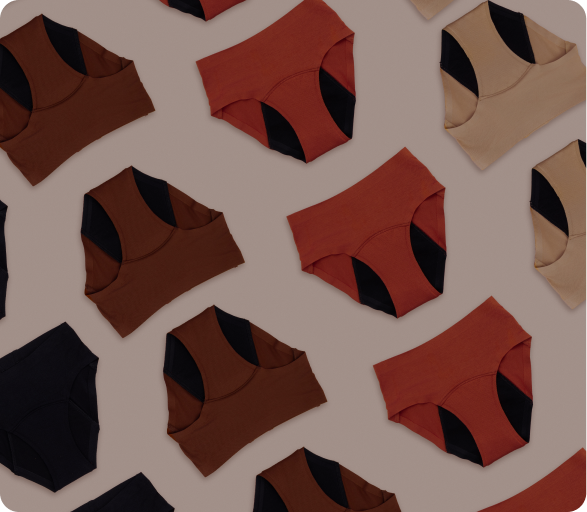
Managing both simultaneously is exhausting. Maternity period panties offer one practical route through it. Designed for higher absorbency, they can handle heavier menstrual flow while also providing bladder leak protection, reducing the need to layer multiple products on top of each other.
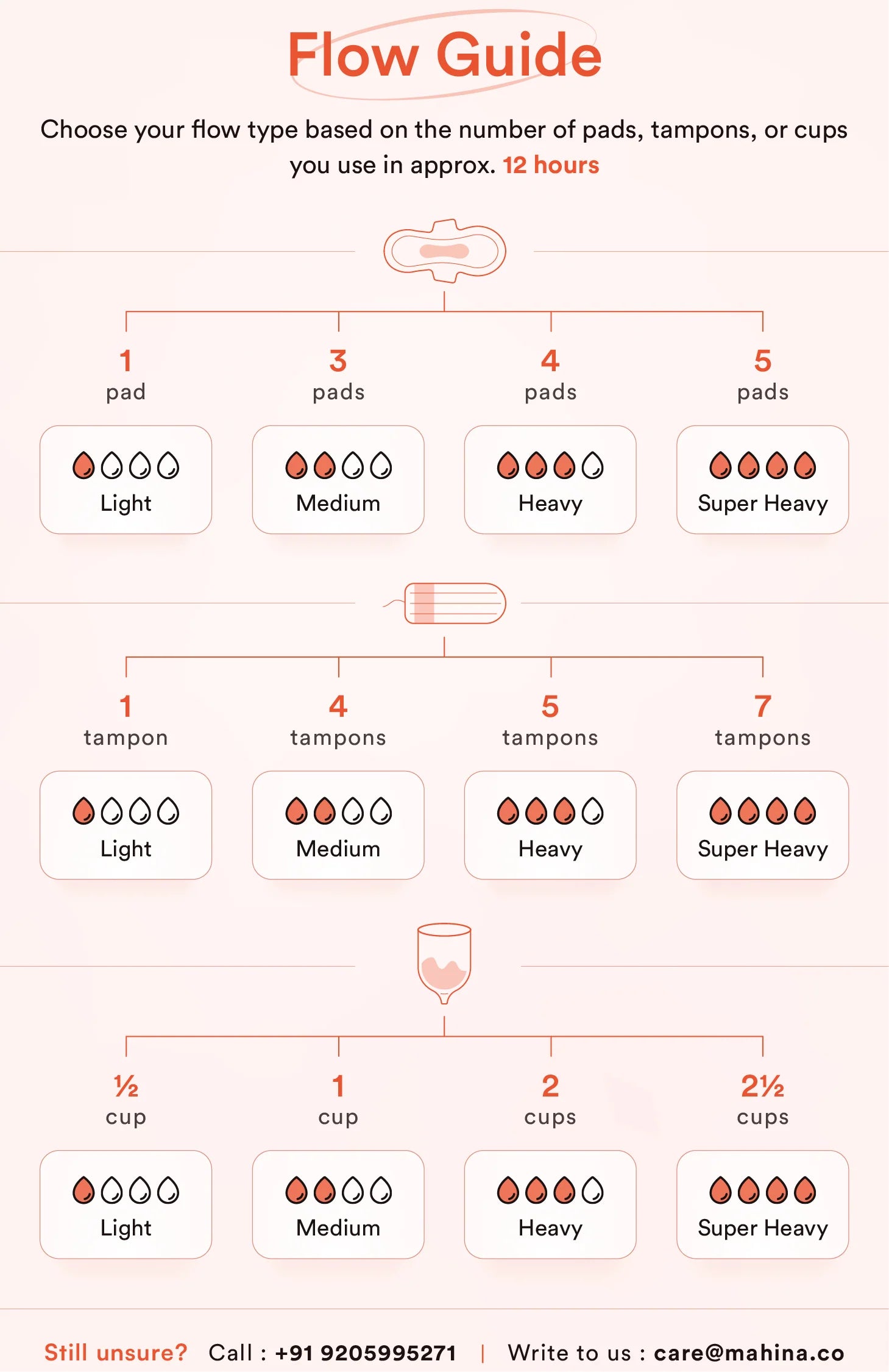
Mahina’s range of reusable period panties provides a practical solution. The Daily Panty Liner Underwear (DPLU) is designed for spotting and light bladder leaks, offering 15 ml of absorbency — roughly equivalent to four disposable pantyliners used in 12 hours. For heavier days, Mahina’s Heavy and Super Heavy period panties can replace up to four and five pads, respectively, in a single wear, giving the coverage needed for unpredictable flow while also supporting minor bladder leaks.
The breathable, reusable construction ensures comfort even when skin sensitivity increases during perimenopause. Because these products combine high absorbency with a secure fit, there is less need to layer multiple products, reducing the mental load and practical hassle of managing periods and leaks simultaneously. For many women, having a single reliable product that handles both concerns is one less thing to think about, and during perimenopause, that can make a significant difference.
When Should You See A Doctor?
Most perimenopausal symptoms are a normal part of the transition and are manageable with lifestyle changes. But some things are worth raising with a gynaecologist, specifically if you notice:
- Bleeding so heavily that you're changing a pad or tampon every hour or two.
- Periods that stretch well beyond seven days, noticeably longer than what's ever been normal for you.
- Spotting or bleeding that shows up between periods, not during them.
- Hot flashes or night sweats that are bad enough to regularly pull you out of sleep or make daily life harder to get through.
- Bladder leaks that are starting to affect how you move through your day.
- Any bleeding at all after a full twelve months without a period.
Taking It Easy
Perimenopause is a gradual hormonal transition that affects nearly every woman, yet remains far less talked about than it should be. Recognising the signs, whether that's changes in your cycle, hot flashes, mood shifts, or bladder leaks, makes this stage considerably easier to understand and navigate.
Lifestyle changes can meaningfully ease symptoms. Practical solutions like maternity period panties can help manage heavy flow and bladder leak protection more comfortably at the same time. And if symptoms start affecting your quality of life, there are real treatment options available. You just have to ask for them.
To Sum It Up
Perimenopause is a gradual hormonal transition that can begin in the late 30s to mid-40s and lasts several years. During this phase, fluctuating estrogen and progesterone levels cause changes in menstrual cycles, sleep, mood, vaginal health, and bladder function. Women often notice irregular periods, heavier or lighter flow, hot flashes, night sweats, and minor urinary leaks. Lifestyle adjustments—like diet, exercise, stress management, sleep hygiene, and symptom tracking—can make the transition more manageable. For practical support, products like Mahina’s reusable period panties offer absorbency tailored to heavy or unpredictable flows while also addressing minor bladder leaks. Consulting a healthcare professional is advised for severe or persistent symptoms.


Sources
- Cleveland Clinic: Perimenopause
- Cleveland Clinic: Menopause
- NHS: Symptoms of menopause and perimenopause
- Healthline: How perimenopause can affect your periods and what you can do
- National Library Of Medicine: The urological society of india guidelines for the evaluation and management of nonneurogenic urinary incontinence in adults (executive summary)
- National Library Of Medicine: Effects of dietary phytoestrogens on hormones throughout a human lifespan: a review
- NHS: Things you can do to help menopause and perimenopause symptoms
About The Author