

Spotting can catch you off guard, especially when it shows up a few days before your period is due. It is usually light and can be easy to miss, but enough to make you start overthinking.
While it is easy to overanalyse every small shift in your cycle, this kind of light bleeding is usually linked to one of two common causes: premenstrual spotting or early pregnancy bleeding, often called implantation bleeding. At first glance, the two can look similar. However, they happen for different biological reasons and tend to follow slightly different patterns.
Recognising those patterns can make it easier to interpret what is happening in your cycle and decide when it may be worth paying closer attention.
What Is Premenstrual Spotting?
Premenstrual spotting is light bleeding that appears just before your period begins, often a day or two before the actual flow starts.
Premenstrual spotting usually happens as progesterone levels begin to fall toward the end of your cycle. When this happens, the uterine lining can start to shed earlier than expected, which may show up as light spotting.
You might notice patterns like:
- Light pink, red, or brown spotting in the days just before your period begins.
- Bleeding that starts lightly and then gradually blends into your usual flow.
- Mild PMS symptoms, such as bloating, breast tenderness, or slight mood changes.
- Spotting that shows up around the same time in your cycle each month.
Because it often blends into the start of your period, many people do not notice premenstrual spotting unless they are tracking their cycle closely.
What Is Early Pregnancy Bleeding?
Early pregnancy bleeding can sometimes happen when a fertilised egg attaches to the lining of the uterus, a process known as implantation. As the egg settles in, it may disturb a few tiny blood vessels, which can lead to light spotting.
Implantation bleeding typically happens around ten to fourteen days after ovulation. Since this timing can be close to when your period is expected, it is easy to confuse it with premenstrual spotting.
You might notice patterns like:
- Very light spotting (early period light bleeding) instead of a steady flow.
- Bleeding that is pink or light brown rather than brighter red in colour.
- Bleeding that only lasts a short time, often around one or two days.
- Mild cramping that feels a little different from your usual period cramps.
Not everyone experiences implantation bleeding, and not having it does not rule out pregnancy.
Premenstrual Spotting vs Implantation Bleeding: Key Differences
Although they can look similar at first, there are some differences that may help you tell them apart.
- Timing: Premenstrual spotting usually appears a day or two before your period (light bleeding 2 days before period). Implantation bleeding often occurs a little earlier, usually about ten days after ovulation.
- Flow: With premenstrual spotting, the bleeding often starts light and then gradually turns into your regular period. Implantation bleeding, on the other hand, usually stays light and does not develop into a full flow.
- Duration: Premenstrual spotting may continue until your period starts. Implantation bleeding usually settles within a day or two.
- Cramps: Premenstrual spotting often comes with familiar PMS discomfort. Implantation cramps, if present, are usually milder and may feel slightly different.
- Other symptoms: With premenstrual spotting, you might notice familiar PMS signs like bloating, breast tenderness, or mood changes. Implantation bleeding, on the other hand, may appear before early pregnancy symptoms such as fatigue or nausea begin.
Even with these patterns, it is not always easy to tell the difference. If there is a chance of pregnancy and you are unsure, taking a test can give you a clearer answer.
Managing Spotting With Simple Solutions
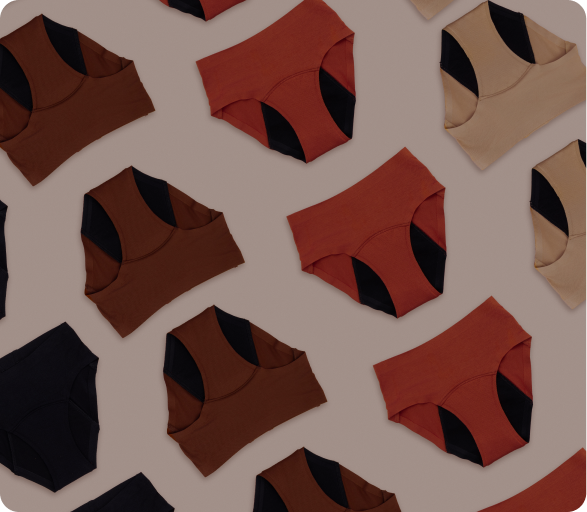
Light spotting usually does not need treatment, but small changes can make it easier to manage. Wearing stain-proof period underwear toward the end of your cycle can help avoid stains.
Mahina’s stain-proof period underwear, also known as Daily Panty Liner Underwear, can replace 4 panty liners in its 12-hour wear. This makes it well-suited for spotting, when you still need period protection but aren’t yet dealing with a full cycle.
Making a note of when and how often spotting happens can make it easier to track patterns in your cycle.
When To Speak With A Healthcare Professional
Most of the time, spotting is nothing to worry about. But you should check in with a doctor, especially if something feels different from your usual pattern, like:
- The bleeding starts to feel heavier or continues for more than a few days.
- Spotting keeps showing up between periods instead of once in a while.
- You notice severe pain or discomfort that does not feel typical for you.
- Bleeding happens after a confirmed pregnancy.
Spotting is not always linked to premenstrual changes or pregnancy (period spotting vs pregnancy spotting). Small shifts in your lifestyle, like hormonal changes, stress, changes in contraception, or conditions such as PCOS or thyroid issues, can all influence how your cycle behaves.
Understanding Your Cycle Better
Premenstrual spotting and early pregnancy bleeding can look very similar at first (how to know if bleeding is period or pregnancy). Over time, noticing when it happens, how it looks, and what you feel alongside it can help you make more sense of your cycle. And having simple, practical options like stain-proof period underwear can make those lighter days easier to manage and help you feel more at ease.
To Sum It Up
Spotting just before an expected period can be confusing, especially because premenstrual spotting and early pregnancy bleeding can look similar at first. Premenstrual spotting usually happens when progesterone levels drop toward the end of the cycle, causing light bleeding a day or two before a period begins. Implantation bleeding, on the other hand, may occur when a fertilised egg attaches to the uterine lining, often around 10 to 14 days after ovulation. The main differences usually come down to timing, flow, duration, cramps, and accompanying symptoms. Premenstrual spotting often blends into a regular period, while implantation bleeding usually stays light and ends within a day or two. Most spotting is not a cause for concern, but it is worth speaking to a doctor if it becomes heavy, lasts several days, happens frequently between periods, or feels very different from your usual pattern.


Sources
- Healthline: Why am I spotting between periods?
- Cleveland Clinic: Implantation bleeding
- Mahina: Understanding premenstrual spotting and how to manage it
About The Author