

During the ovulation cycle, an important phase of the menstrual cycle, one of the ovaries releases an egg. It usually happens around the middle of the cycle, often the 14th day in a typical menstrual cycle of 28 days, though the exact timing can vary.
In the days before ovulation, oestrogen levels begin to rise, supporting egg development and causing the uterine lining to thicken. Once the egg is released, oestrogen levels fall, and progesterone starts to rise, which signals the start of the second half of the cycle.
These hormonal transitions happen quickly. For some women, this shift is almost unnoticed. For others, it becomes more visible: greater tissue sensitivity and shifts in cervical fluid are normal during this phase of the ovulation cycle, and they can sometimes lead to light spotting.
What Exactly Is Ovulation Spotting?
Ovulation spotting is light bleeding that can happen during your cycle’s ovulation phase. It is different from a period and usually much lighter, both in how it looks and how long it lasts.
Instead of active bleeding, it often appears in subtler ways, such as:
- Pale pink or brown marks when you wipe.
- Light staining on underwear that does not need a pad or tampon.
- A faint reddish or brown-tinged stain that’s often mixed with cervical fluid.
Around ovulation, the body naturally produces more cervical fluid, commonly known as ovulation discharge. This discharge often becomes clearer, stretchier, and more slippery, reflecting peak fertility.
When a small amount of blood mixes with ovulation discharge, the colour change can appear more noticeable than the discharge itself. Because ovulation spotting is so light, it is easy to miss or second-guess. Many women only notice it briefly, if at all.
Why Ovulation Spotting Happens
There is no single reason why ovulation spotting happens. In most cases, it is the result of a few normal biological changes that occur close together during the ovulation cycle.
Common reasons include:
- Hormonal fluctuations: Just before ovulation, oestrogen reaches its highest level and then falls fairly quickly. For some women, that shift can lead to a small amount of shedding from the uterine lining, which may show up as light spotting.
- Follicle rupture: When ovulation happens, the egg breaks through the ovarian follicle. This can cause a small amount of bleeding, which may later appear as light spotting.
None of these processes are harmful. They are simply part of how the body responds to shifting hormone levels during the ovulation cycle.
What’s Normal About Ovulation Spotting And What May Need Attention
Ovulation spotting is usually normal when it follows your usual mid-cycle pattern and settles on its own.
It’s generally normal when:
- It appears around the middle of your cycle.
- The bleeding is very light.
- It lasts only one to two days.
- There’s little to no pain.
- Discharge remains clear or lightly milky, with no strong smell.
It may need attention when:
- The bleeding feels heavier, like a light period.
- It lasts several days.
- The cramps or pelvic pain feel stronger than what you’d normally expect for yourself.
- Your discharge starts to smell different from usual or looks noticeably different in colour or thickness.
- Bleeding occurs randomly instead of around mid-cycle.
If spotting looks different from your usual pattern, it may not be caused by ovulation. Stress, early pregnancy changes, or cervical sensitivity can also cause mid-cycle bleeding.
Ways To Prepare For Ovulation Spotting
When spotting is mild and occasional, management is usually about comfort rather than treatment.
You may find it helpful to:
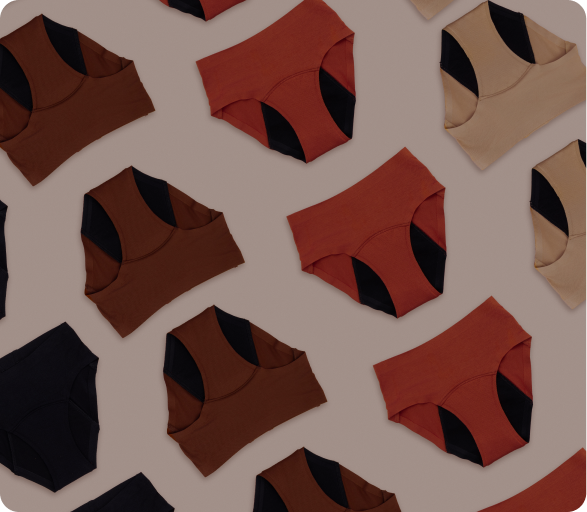
- Use absorbent underwear around this time to deal with unexpected spotting.
- Track changes in your ovulation discharge to better understand your fertile window.
- Support hormonal balance by prioritising adequate sleep and regular, balanced meals.
Mahina’s Daily Panty Liner Underwear can be particularly useful for ovulation spotting, offering protection without the discomfort of panty liners or tampons when bleeding is minimal.
Replacing Uncertainty
Ovulation spotting often feels unsettling simply because it is not discussed openly enough.
Changes in ovulation discharge, light spotting, and sensitivity often happen together around the same time in the cycle. Tracking how you feel on these days and monitoring symptoms can make them feel less worrying and easier for you to recognise. Over time, that awareness makes it easier to trust what’s happening, without questioning every small change or assuming something is wrong.


Sources
- Medical News Today: What to know about ovulation spotting or bleeding
- Cleveland Clinic: Ovulation
- NHS: Periods and fertility in the menstrual cycle
- Healthline: What is ovulation bleeding?
- Flo: Ovulation bleeding: what’s the deal?
About The Author