

Itching, in and around the vagina, seems to show up every month. A rash you've started treating as a normal part of your period. An odour that makes you feel self-conscious even though you know you're maintaining good hygiene.
If any of this sounds familiar, it's easy to assume your body is the problem. But sometimes, the issue isn't your period at all. It's the product you're using.
Your menstrual products sit against some of the most sensitive skin on your body for several days, month after month. The materials they’re made from, how breathable they are, and how they interact with your skin can all influence your comfort and vaginal health.
Yet for something we use so regularly, very few of us have ever been taught what to actually look for in a menstrual product. Understanding the connection between menstrual products and vaginal health is a good place to start.
Why Vaginal Health Matters During Your Period
Your vagina runs its own carefully balanced ecosystem. Good bacteria help keep its pH (potential of hydrogen) slightly acidic, and that acidity plays an important role in protecting against infections and irritation.
Your period can temporarily disrupt that balance. Menstrual blood has a different pH than the vagina itself, moisture levels increase, and the vulva spends several days each month in constant contact with whatever menstrual product you're using.
It's not surprising, then, that many women notice signs like:
- Irritation
- Itching
- Chafing
- That damp, excess-moisture feeling
- Changes in odour
- General discomfort around the vulva
None of this automatically means an infection is developing. But it's not something to ignore either.
How Your Period Products Can Affect Vaginal Balance
Your vagina maintains a naturally acidic pH, usually somewhere between 3.8 and 4.5. It keeps harmful bacteria and yeast from overgrowing, while allowing the beneficial bacteria (mostly Lactobacillus) to thrive and do their job of keeping things balanced.
Period products sit directly against or inside this environment for hours at a time, which means what they're made of genuinely matters. Tampons, in particular, are highly absorbent and can disrupt natural moisture levels, sometimes pulling away more than just blood. Pads sit externally but still trap heat and moisture against the vulva, creating a different kind of disruption, particularly with synthetic, non-breathable materials.
What Menstrual Products Are Actually Made Of
Many mainstream pads and tampons contain a mix of materials designed to improve absorbency, structure, and leak protection. Common ingredients include:
- Synthetic fibres like rayon and polyester: Used for absorbency and structure, but they don't breathe the way natural fibres do, which can trap heat and moisture against sensitive skin.
- Fragrances: Added to mask odour, but fragrance chemicals are among the most common irritants linked to vulval irritation and allergic reactions in gynaecological consultations.
- Chlorine bleaching: Used to whiten the product. A by-product of this process is dioxin, a chemical compound that has been linked to hormonal disruption in some studies, even in the small amounts found in conventional products.
- Plastic backings and adhesives: Necessary for function, but they can reduce airflow significantly, especially during hot or humid weather.
None of this means conventional products are dangerous for occasional use. But for many women, prolonged exposure, month after month and year after year, is where the cumulative irritation tends to show up.
Are Organic Menstrual Products Better?
The popularity of organic menstrual products has grown significantly over the past few years. Many women assume that "organic" automatically means safer or healthier. The reality is a little more nuanced.
Current research does not show a dramatic difference between organic and conventional menstrual products when it comes to overall health outcomes. However, organic products often avoid added fragrances and may use more breathable materials, both of which can make a difference for women with sensitive skin.
In practice, what seems to matter most is not whether a product is labelled organic, but whether it is fragrance-free, breathable, and comfortable for your body. Those are the factors most closely linked to reducing irritation and discomfort during your period.
Signs Your Current Period Product May Not Be Working For You
Sometimes your body gives fairly clear signals when something is not working.
You may want to reconsider your current menstrual products if you regularly experience:
- Persistent itching or burning
- Recurring rashes or redness
- Chafing or irritation
- A constant damp feeling
- Recurring yeast infections or BV(Bacterial vaginosis)
- Changes in odour
- Increased skin sensitivity during your period
If symptoms persist beyond your period or keep returning, it's worth getting them checked rather than simply putting up with them.
What Gynaecologists Consider A Vaginal-Friendly Period Product
Despite the huge variety of menstrual products available today, gynaecologists generally prioritise these factors when it comes to vaginal health.
- Choose breathable materials where possible. Cotton and other breathable fabrics help reduce the heat and moisture that can build up during your period, making irritation less likely.
- Skip the fragrance. The vagina is remarkably good at maintaining its own balance. Most gynaecologists recommend focusing on comfort, breathability, and cleanliness rather than heavily scented products marketed as "fresher" or "cleaner."
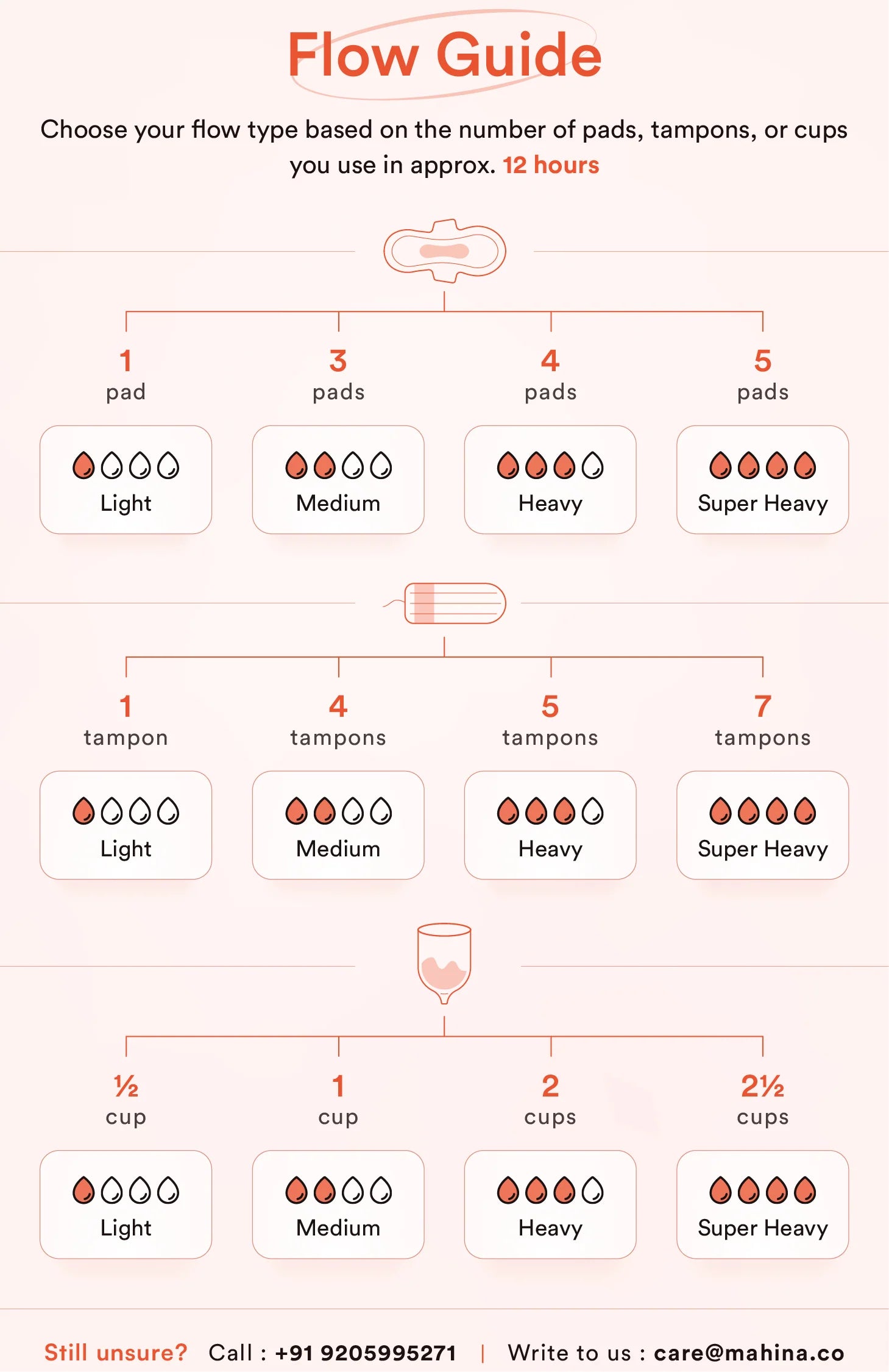
- Choose products based on your flow, not habit. A product that worked for you years ago may not necessarily be the best fit today. Different stages of life and different flow patterns often call for different solutions.
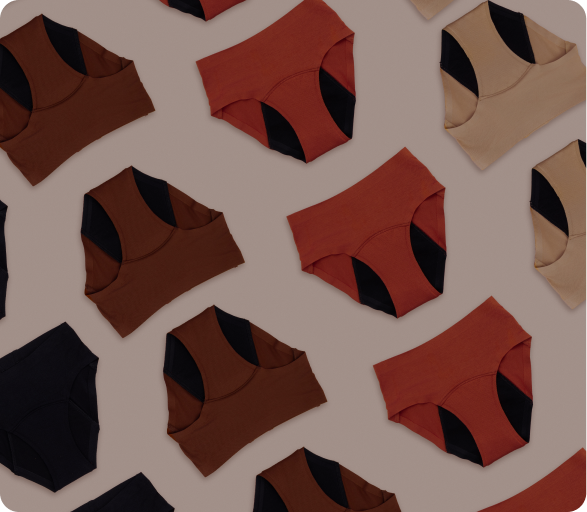
- Consider alternatives if you're prone to irritation. Period underwear, menstrual cups, and other reusable options are becoming increasingly popular among women who experience recurring rashes, chafing, or discomfort with traditional pads.
When it comes to selecting a period panty, especially for heavy-flow or long hours, comfort and absorbency are only part of the story. The materials, construction, and safety of the panty are equally important because your period underwear is in constant contact with sensitive skin for extended periods. Choosing a panty backed by rigorous testing and certifications gives you confidence that it won’t just hold your flow, but will also stay hygienic, skin-safe, and durable over time. By looking for verified standards, laboratory-tested fabrics, and bioburden checks, you ensure your period panty works with your body rather than causing irritation, discomfort, or uncertainty. This focus on evidence-based design separates period panties that simply look promising from those that genuinely perform.
Mahina takes this seriously. Every part of our heavy-flow and everyday period panties that touches your skin is tested in NABL-accredited laboratories to ensure compliance with strict EU and US standards. This includes checks for harmful chemicals, restricted substances, and banned amines, so you can trust the panty every time you wear it.
Beyond material safety, we have also conducted bioburden testing, in which, after six months of repeated wear and washing, Mahina period panties are evaluated to confirm they remain hygienic and safe. This gives reassurance that your period underwear can handle repeated use without compromising your vaginal health. Mahina period panties provide both protection and peace of mind, helping reduce irritation, maintain comfort, and support vaginal health naturally.
Simple Menstrual Hygiene Habits To Pair With The Right Product
Picking the right product is only half the job. The other half comes down to the small, everyday habits around it:
- Stick to plain water for cleaning. The vagina cleans itself. Scented washes, wipes, and douches almost always cause more irritation than they prevent.
- Change your product regularly, not just when it looks full. Leaving any menstrual product in place beyond 4 to 6 hours allows moisture and bacteria to build up, regardless of how "clean" the product itself is.
- Avoid layering products unnecessarily. Wearing a pad and a liner together, for example, often traps extra moisture without adding much additional protection.
- Give your skin some room to breathe. Loose cotton underwear, especially at night, can help reduce the heat, moisture, and friction.
- Wash your hands before and after changing products. It is a small habit, but one of the simplest ways to maintain good menstrual hygiene.
At The End Of The Day
The product you choose during your period genuinely affects your vaginal health — through the materials it's made of, how it interacts with your natural pH, and how much moisture and friction it creates against sensitive skin. Organic menstrual products offer a meaningful reduction in chemical exposure, particularly for women already experiencing irritation, but the right choice ultimately depends on what your body needs.
And if the same discomfort returns every cycle, it's worth paying attention. What feels like a normal part of your period could actually be a sign that your current product isn't the right fit.
To Sum It Up
The choice of menstrual product has a direct impact on vaginal health. Many common issues—itching, rashes, chafing, and odour—aren’t just a normal part of periods but can result from the materials, breathability, and chemical composition of the products used. Pads and tampons, especially those made with synthetic fibres, adhesives, or fragrances, can trap heat and moisture, disrupt the vaginal pH, and irritate sensitive skin. Organic or breathable products reduce some of these risks, but the most reliable protection comes from carefully engineered period underwear. Mahina period panties, for instance, are lab-tested, OEKO-TEX-certified, and designed to stay hygienic and skin-safe even after months of repeated wear. Pairing well-chosen products with simple hygiene practices supports comfort, reduces irritation, and helps maintain a healthy vaginal environment throughout menstruation.

Sources
- Cleveland Clinic: Vaginal pH
- UNICEF: Menstrual hygiene products
- Obstetrics & Gynaecology: Chemicals in menstrual products: A systematic review
- National Library Of Medicine: Menstrual technology innovations and the implications for heavy menstrual bleeding
- National Library Of Medicine: Role of female intimate hygiene in vulvovaginal health: Global hygiene practices and product usage
- CDC: Healthy habits: menstrual hygiene
About The Author