

Key Takeaways
- Prepare your period products the night before an exam, especially if you know your period is due.
- Choose period protection based on your usual flow, the length of the exam and how easily you can access a washroom.
- Carry multiple backup period products even if you do not expect to need them.
- Managing cramps before entering the exam hall may make it easier to stay comfortable during the paper.
- If your period starts unexpectedly, ask the invigilator about using the washroom rather than trying to ignore it.
- Heavy bleeding or severe pain that regularly disrupts school, exams or everyday activities should be discussed with a healthcare professional.
- Period underwear can be one option for students who prefer not to plan a product change during an exam.
Getting your period during exams can mean dealing with cramps, bleeding, bathroom breaks and an already stressful paper at the same time. Preparing your period products in advance, managing discomfort before the exam and choosing period protection suited to your flow can make the day easier to manage.
Here is how to prepare before, during and after the exam without making your period another thing you have to constantly think about.
What Should You Do If You Get Your Period During Exams?
If you expect your period around an exam, prepare for it before you reach the examination hall. Check if your period is on the heavier-side on that specific exam and note how long you are likely to be away from home. This includes:
- Travelling to the examination center
- The duration of the exam
- Travelling back home
Pack your preferred period product, along with backups, even if you are wearing something designed for longer use. If the exam is at an unfamiliar school, college or test centre, find out where the washrooms are and what the process is for requesting a bathroom break beforehand.
Menstrual health at school is not simply a matter of having a period product available. The World Health Organization (WHO) states that menstrual health includes access to appropriate products, information and facilities that allow people to participate in school and everyday activities.
What Should You Pack For An Exam On Your Period?
Pack enough period supplies for the exam, your commute and any unexpected delay afterwards.
A practical exam-day pouch could contain:
- Your preferred period product
- One or two backups, where needed
- A spare pair of underwear
- A small pouch or bag for a used reusable product
- Tissues
- Any period-pain relief you normally use safely
- Water and a snack for before or after the exam, where permitted
You do not need an elaborate "period survival kit". The aim is simply to have what you would realistically need if your flow becomes heavier, your period arrives early or you are away from home for longer than expected.
How Can You Manage Period Cramps Before An Exam?
Managing period cramps before you enter the exam hall can be easier than waiting until the pain becomes distracting halfway through the paper.
The NHS recommends several ways that may help ease period pain:
- Have a warm bath or shower.
- Use a heat pad or wrapped hot-water bottle on your abdomen.
- Gently massage your abdomen or back.
- Try gentle movement such as walking or yoga.
- Use pain relief such as paracetamol or ibuprofen if it is suitable for you and taken according to the product or healthcare guidance.
On the morning of an exam, you could:
- Use a heat pad while getting ready or revising.
- Take a short walk before sitting down for a long paper.
- Follow the pain-management routine that you already know works safely for you.
- Give yourself enough time before leaving home so cramps do not become another last-minute problem.
- Avoid trying a completely new remedy for the first time just before an important exam.
What If Your Period Starts Unexpectedly During An Exam?
If your period starts unexpectedly during an exam, deal with the practical problem instead of spending the rest of the paper worrying about it.
Ask the invigilator about using the washroom. If you do not have a period product with you, ask a teacher, school nurse, college staff member or another appropriate member of staff whether they can help you access one.
Once you have dealt with the bleeding or changed your period product, return to the exam. An unexpected period is inconvenient, but trying to sit through the entire paper while worrying about a possible leak will not make the situation easier.
Which Period Product Works Best During A Long Exam?
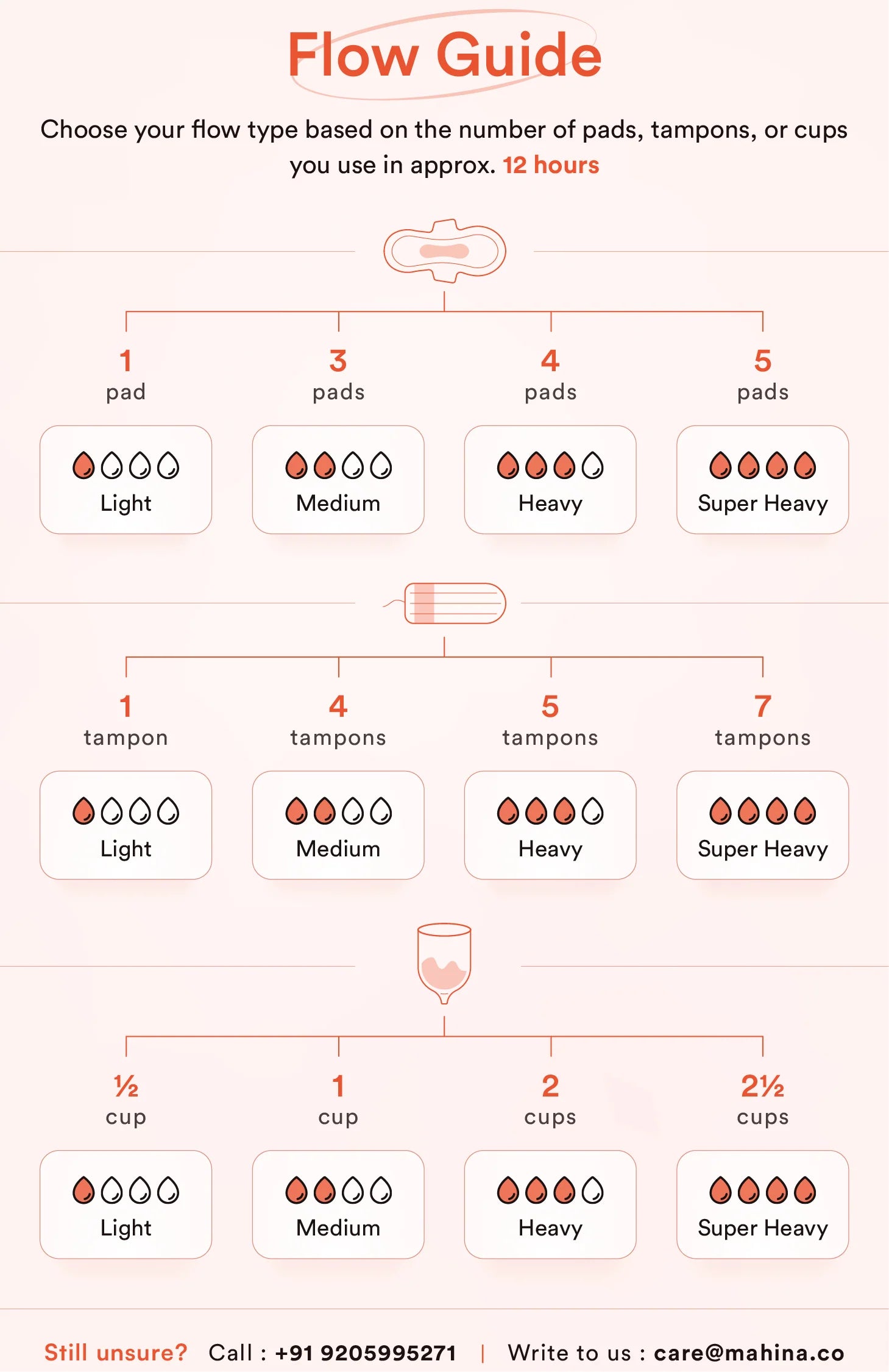
The most convenient period product for a long exam depends on your flow, comfort preferences and whether you can easily access the washroom during the paper.
|
Period product |
Why someone might choose it |
What to consider during exams |
|
Pads |
Easy to use and quick to replace |
You may need access to a washroom to change |
|
Tampons |
Compact and worn internally |
They need to be changed according to the product's usage instructions |
|
Menstrual cups |
Reusable and suitable for longer wear for some people |
You need to be comfortable inserting, removing and emptying one |
|
Period panties |
Worn like underwear without adding a separate pad |
Changing to a fresh pair away from home can require more privacy |
There is no single product that is automatically best for every student. Think about what you already feel comfortable using and whether it can accommodate your usual flow for the time you expect to be sitting.
For students who prefer period underwear, the Mahina Teen Period Panty is designed to be worn on its own for up to 12 hours, depending on flow. Heavy holds 40 ml, approximately equivalent to four pads, while Super Heavy holds 50 ml, approximately equivalent to five pads. With front-to-back coverage built into the panty, it can be a practical option when you would prefer not to plan a period-product change in the middle of an exam. Explore the Mahina Teen Period Panty.
How Can You Stay Comfortable Through A Long Exam?
Staying comfortable through a long exam starts with dealing with the things you can control before you sit down.
Before entering the examination hall:
- Use the washroom.
- Check or change your period product if needed.
- Choose period protection suited to your flow that day.
- If you have heavier flow, plan around how frequently you usually need to change.
- Wear clothes that feel comfortable while sitting for several hours.
- Carry backup protection in case you need it later.
- Manage cramps using the safe methods that normally work for you.
- Know how to request a washroom break if you need one.
During the exam, do not try to stretch a period product beyond its recommended use simply because you do not want to leave the hall. Follow the product's usage guidance and request a washroom break when you genuinely need one.
Avoid deliberately drinking too little water because you are worried about needing the washroom. As far as possible, stick to the eating, drinking and period-care routine that already works for you.
Your Exam-Day Period Checklist
A little planning can remove several unnecessary period-related decisions on exam day.
|
When |
What to do |
|
The night before |
Check whether your period is due and think about where you usually are in your flow |
|
The night before |
Choose your period product and pack any backups you may need |
|
Before leaving home |
Pack spare underwear, tissues, your usual cramp-management essentials, water and something familiar to eat before or after the exam |
|
Before the exam |
Use the washroom and change your period product if needed |
|
Before the exam |
Manage cramps using the safe methods that normally work for you |
|
During the exam |
Ask for a washroom break if you genuinely need to change or check your period product |
|
If your period starts unexpectedly |
Tell the invigilator you need the washroom and ask an appropriate staff member for a period product if you do not have one |
|
After the exam |
Change your period product when needed and wash reusable products according to their care instructions |
When Should Period Pain Or Heavy Bleeding Be Checked By A Doctor?
Period pain or bleeding that repeatedly interferes with school, exams or normal activities is worth discussing with a healthcare professional.
According to the NHS, signs that your periods may be unusually heavy include:
- Needing to change a pad or tampon every one to two hours.
- Needing to empty a menstrual cup more frequently than recommended.
- Needing to use two types of period protection together.
- Bleeding for longer than seven days.
- Passing blood clots larger than around 2.5 cm.
- Bleeding through clothing or bedding.
- Avoiding normal activities because of your period.
- Frequently feeling tired or short of breath.
The NHS also recommends seeking medical advice when period pain stops you from carrying out your usual daily activities, becomes worse than usual or occurs alongside other changes such as heavier or irregular periods.
WHO similarly notes that very painful, heavy or otherwise disruptive menstrual symptoms can sometimes be associated with an underlying health condition and deserve evaluation by a healthcare professional.
Make Your Period One Less Thing To Revise For
Having your period on exam day may be inconvenient, but preparation can make it much more manageable. Know your usual flow, carry the products you need, manage cramps before entering the hall and have a plan for accessing the washroom if something changes.
The aim is not to plan your entire exam around your period. It is to prepare enough that, once the paper begins, the exam gets your attention instead.


About The Author