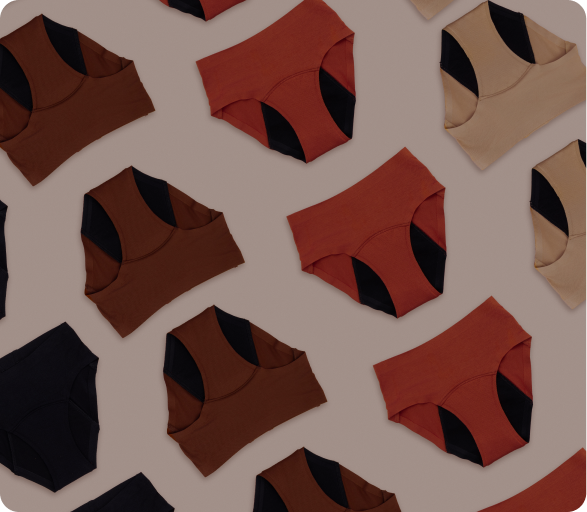


Cotton period underwear combines breathable fabric with purpose-built absorbent layers to provide leak protection along with comfort during periods. While cotton supports airflow and reduces moisture build-up, true performance depends on construction, fit, and safety testing. Mahina’s cotton period panties combine the comfort from cotton, the structural stability of a multi-layer absorbent system, and 9 sizes designed for Indian bodies to help you find the perfect fit.
Most people shopping for period protection ask about absorbency, leaks, and how long a pair lasts through the day. Fewer stop to think about what's actually sitting against their skin for hours at a stretch, through heat, movement, and moisture. That's a big part of why cotton period underwear has become such a common choice — though fabric alone is only part of what makes a period panty genuinely comfortable and safe.
What Makes Cotton The Dermatologist-Recommended Fabric For Underwear?
Cotton is often recommended by dermatologists, mostly because it breathes. It allows better airflow than most synthetic fabrics, which helps cut down on the trapped moisture and friction that tend to cause discomfort in intimate areas. There's also the fact that it just feels familiar — and that matters more than it sounds during a period, when sensitivity, bloating, and long hours of sitting or commuting are already part of the day.
That said, cotton alone doesn't make cotton period underwear perform well. The better options pair breathable fabric with proper absorbent construction underneath, so comfort doesn't come at the cost of proper period protection.
Is "Organic Cotton" Different From Regular Cotton In Terms Of Skin Safety?
Organic and conventional cotton are both natural fibres. The real difference is in how they're grown and processed, not in some guarantee of skin safety. A GOTS certification confirms certain farming and processing standards were followed — it doesn't automatically mean a fabric is hypoallergenic or free of every chemical worth worrying about.
The rest of the garment matters too. Dyes, finishes, and elastic all need their own testing, separate from the cotton itself. So with organic period panties, or cotton period underwear generally, it's worth checking the fuller safety picture — certified fabric, restricted substance testing, some transparency on materials — rather than stopping at the word "organic" on the label.
Can Synthetic Period Underwear Fabrics Cause More Irritation Than Cotton?
Not necessarily, and not automatically. Some people find synthetics warmer or more prone to trapping moisture, but that really comes down to how the garment is built. The more useful question isn't cotton versus synthetic — it's whether the fabric moves moisture away from skin and keeps the surface dry, since a poorly built product in any material can end up feeling damp.
Cotton tends to win on breathability and everyday familiarity, while synthetic blends can add stretch or shape retention in parts of a garment where flexibility matters more than direct skin contact. Whether it's organic period panties or a synthetic-blend design, a well-built period panty usually puts each material where it does the most good, rather than relying on one fabric throughout.
What Certifications (OEKO-TEX, GOTS) Should You Check For Organic Cotton Claims?
OEKO-TEX and GOTS cover different ground. OEKO-TEX tests the finished textile for harmful substances against set limits, which matters for anything worn close to sensitive skin. GOTS is about organic fibre standards — how the cotton is farmed and processed, plus environmental and social practices along the way.
Neither certification alone tells the full safety story, whether you're comparing organic period panties or standard cotton period underwear. A properly tested product also needs toxicology testing, microbial safety checks, and validated absorbency, since a fabric certification only covers the material — not the finished garment worn for hours at a time.
Does Organic Cotton Underwear Affect Breathability And Infection Risk?
Breathable cotton can genuinely help by reducing trapped heat and moisture, which is often the real reason women look at organic period panties in the first place. But no fabric on its own can prevent infections.
Vaginal health depends on hygiene, hormones, and individual factors well beyond what the underwear is made of. Changing out of damp underwear promptly, washing reusable products properly, and skipping added fragrance matters a lot more than what label the fabric has. However, if you face persistent itching, have unusual discharge or odour, make sure to see a doctor.
Why Mahina’s Cotton Period Underwear Is Built For Everyday Comfort
Mahina’s cotton period underwear combines the familiarity of breathable cotton with the performance required from modern period protection. The aim is not just to create a panty that absorbs, but one that feels comfortable enough to wear through long days.
Mahina’s cotton styles are designed for everyday comfort, with a fabric feel that works well for long hours, travel, and warm climates. It features a multi-layer gusset that manages menstrual fluid through dedicated layers:
- A moisture-wicking top layer helps move fluid away from the skin.
- An absorbent core locks in fluid and moisture.
- A leak-proof layer provides additional protection and keeps you stain-free.
This construction allows the period product to feel like regular underwear whilst efficiently managing menstrual blood. These period panties are also tested to make sure they are safe for use and stay hygienic even with multiple uses.
To ensure the product fits perfectly, Mahina’s range is available in 9 sizes from XS to 5XL, and is designed specifically for Indian women’s bodies.
Cotton period underwear works best when fabric, design, and testing come together to create protection that feels as natural as regular underwear.
Your Period Protection Should Care For Your Skin Too
Getting through a period without leaks is only half the job. Organic period panties offer a familiar, breathable option for a lot of women, but real comfort comes from fabric, construction, fit, and testing working together — not any single one of them alone.

Sources
- So Linen!: What does it mean if a fabric is breathable? Cleveland Clinic: 5 underwear tips to avoid problems down there
- Mahina: Shop Mahina
- Mahina: Tests & certifications
About The Author