

Overnight period underwear offers targeted protection for heavy-flow nights, combining absorbency, fit, and coverage designed for sleep. Unlike disposable options, a high-capacity reusable panty manages fluid across multiple sleep positions, prevents leaks for 8–12 hours, and is cost-effective over time. Properly tested, breathable, and full-coverage period panties ensure comfort, hygiene, and uninterrupted rest.
An overnight product prevents leaks only when its absorbency, coverage and fit suit both your flow and the way you sleep. Disposable panties are convenient when washing is difficult, while a reusable period panty can offer clearer capacity, broader coverage and lower cost across repeated use.
For heavy-flow nights, period sleep underwear should be judged by its construction, wear time, cost and supporting evidence.
What's the structural difference in absorbent layers between disposable and reusable designs?
Disposable period panties usually contain a pulp-and-polymer core, while reusable designs use washable textile layers that move, hold and block fluid.
A typical disposable panty combines a non-woven top sheet, an absorbent core made with different types of pulp and superabsorbent polymer, and a waterproof outer layer. Because the absorbent area is built into the garment, it does not shift like an adhesive pad, but its protection is still limited by the length and width of that area.
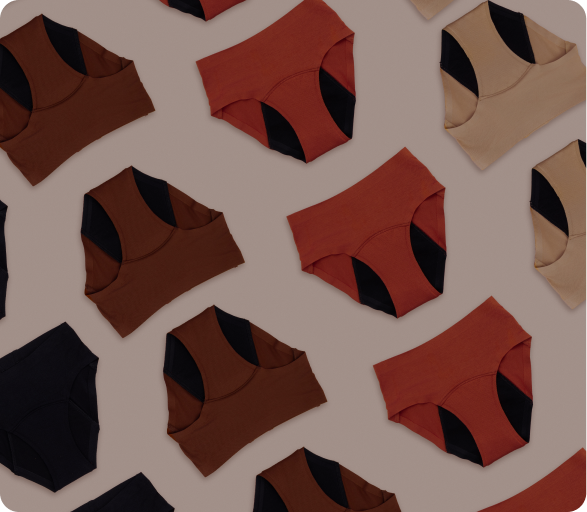
Mahina’s DeepSleep Period Panty™ is period sleep underwear designed specifically for repeated overnight use. Its four-layer gusset works in stages:
- A moisture-wicking top layer draws fluid away from the skin.
- A leak-locking layer that pulls menstrual flow in.
- An absorbent core that holds the fluid.
- A leak-resistant base helps stop fluid from reaching clothes or bedding.
The gusset extends from front to back and is up to twice as long and wide as standard night-time pads. Together, this panty can replace 8 pads in 1 wear as it absorbs 80ml. A reusable period panty designed around sleep therefore protects a larger area when flow travels backwards or sideways.
Do disposable period panties lose effectiveness faster than reusable ones over several hours?
Many disposable brands advertise around eight hours of wear, although some make longer claims. These are maximums, not guarantees. A sudden gush, incorrect size or a smaller absorbent area can shorten them.
Unlike a pad, a disposable panty is worn as the underwear, so shifting is not the main concern; coverage is. Many designs still concentrate most absorbency in an area shaped much like a long pad. If blood travels beyond it, extra capacity in the centre may not prevent a leak.
DeepSleep combines 80ml absorbency with a gusset that is twice as long and wide, providing maximum front-to-back coverage. This bonded gusset moves with the body instead of relying on a separately placed product. These features help make the 12-hour wear time comfortable.
How does cost-per-use compare between disposable and reusable for heavy flow days specifically?
Reusable protection generally becomes cheaper per heavy-flow night after repeated use, while every disposable panty creates a fresh cost.
Current Indian listings place many disposable overnight period panties at roughly ₹30 to ₹50 each, depending on brand and pack size. Using one across five heavy nights could cost around ₹150 to ₹250, and needing a second change increases that amount, along with delivery and shipping charges. In just a year, this can amount to over ₹2000-₹3000.
DeepSleep has an MRP of ₹1,249 and is tested for up to 150 washes. Dividing the purchase price across 150 uses gives a product cost of approximately ₹8.3 per wear. The water and detergent that go into washing the product add a small expense, but regular use can still bring the cost below a new disposable each night.
The upfront expense is higher, and one reusable period panty may not cover consecutive heavy days. Disposables may work for travel or places where rinsing and drying are difficult. For routine home use, period sleep underwear offers stronger long-term value when cared for correctly.
Which option has more documented testing/certification for overnight heavy flow?
Reusable products often publish more detail about absorbency, textile safety, hygiene after washing and long-term durability, although the quality of evidence depends on the brand.
For Mahina’s reusable period panties, three tests are especially relevant:
- Toxicology testing: The fabric is screened for substances including PFAS, heavy metals and other hazardous chemicals, and is OEKO-TEX Standard 100 certified. The certification confirms testing for harmful substances, which answers the safety question.
- Microbiology testing: Mahina’s period panties have also been tested after 6 months of real-world use to ensure the product remains safe even after repeated use and washing. This matters for a product that repeatedly comes into contact with menstrual blood and intimate skin.
- 150-wash testing: The panty is batch-tested to assess whether absorbency and construction remain intact across its lifespan. This includes checking the bonded seams, absorbency levels, fabric strength, and more. This supports both the durability and cost-per-use claims.
Disposable products can also be responsibly tested, but shoppers are often given fewer details beyond wear time and absorbency language. The stronger option is the product that shows evidence for the job it claims to do.
What do real user reviews say about leak performance between the two formats?
Reviews show that both formats can work overnight, but fit, coverage and material strength often decide whether the experience feels secure.
Reviews for disposable panties frequently praise their convenience and report waking without leaks. Others mention wetness, unsuitable sizing or tearing at the sides.
Coverage can fail before absorbency does. DeepSleep addresses this with a gusset up to twice as long and wide, plus full buttock coverage that provides a comfortable fit whilst sleeping on the back, side or stomach. The product is made with soft MicroModal fabric and features an elastic-free waistband that sits comfortably on the belly without digging in or rolling down.
Disposables are valued because there is nothing to wash. A reusable period panty is more likely to suit regular heavy nights when the priority is known capacity, broader coverage and lower cost over time. The best period sleep underwear fits closely, covers the direction of your flow and has enough tested capacity for the hours you plan to wear it.
When should heavy menstrual bleeding be discussed with a doctor?
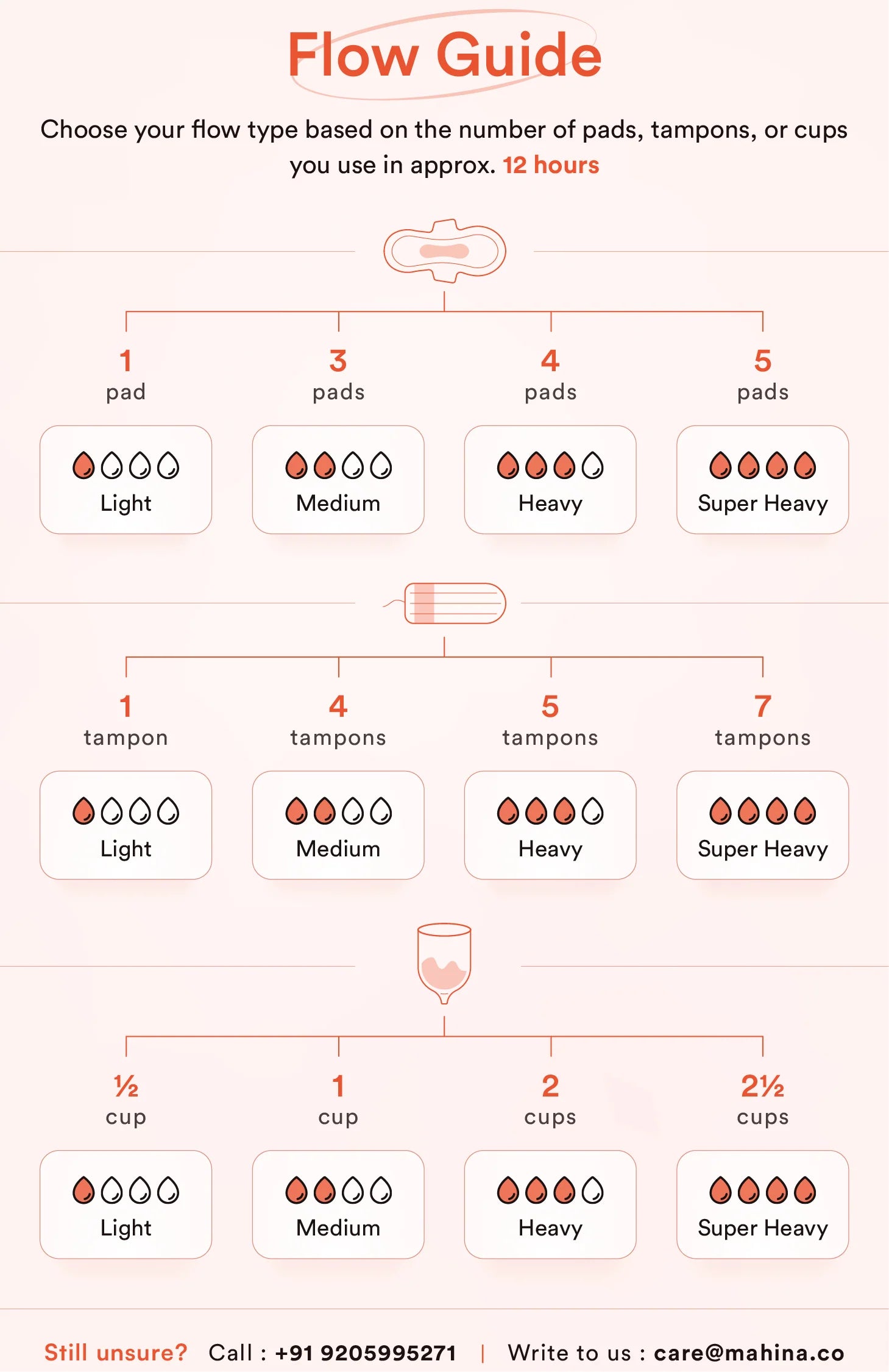
Heavy bleeding should be discussed with a doctor when it is unusually prolonged, repeatedly soaks through pads in 1-2 hours or begins to affect daily life.
ACOG lists bleeding that lasts more than seven days, soaking through one or more pads or tampons every hour for several hours, changing protection during the night and passing large clots as possible signs of heavy menstrual bleeding. Dizziness, faintness, breathlessness or unusual tiredness also deserve attention.
A high-capacity reusable period panty can make the night easier to manage, but it cannot explain why bleeding is heavy. Tracking how often you change protection and how long bleeding lasts can help a clinician understand the pattern.
Which option is better for preventing overnight leaks?
For regular heavy-flow nights at home, a tested reusable period panty with high capacity and full front-to-back coverage is usually the more dependable long-term option.
Disposable overnight period panties can be functional when travelling, during emergencies or on days when washing a reusable period panty is not realistic. For repeated use, DeepSleep brings together high absorbency, wider coverage, an elastic-free waistband and documented testing across 150 washes.
A leak-free night should not require sleeping stiffly or setting an alarm to check the sheets. Good period sleep underwear should account for how the body moves, where the flow travels and how long you actually need to rest.

Sources
About The Author