

Days when your flow is particularly heavy are usually the most taxing. It can feel like the whole world is conspiring against you. You’re tired, your cramps are unbearable, your mood is swinging without notice, and you may even have to set alarms just to change your period product every few hours. Add a busy schedule, persistent cravings and a product that does not hold up, and the whole day starts feeling harder than it should.
Truth is, heavy-flow days are difficult. It is not always possible to instantly get rid of every cramp, worry, or dip in mood your period brings. But a few small things can make the day easier to manage. Having a period care routine can help you better prepare for and manage these days. A good period care routine is about knowing what your body needs, preparing before the rush, eating and hydrating in ways that support your energy, keeping up with menstrual hygiene, and choosing period protection that feels comfortable and reliable enough for real life.
What Is The Best Way To Handle Heavy Flow?
The best way to handle heavy flow is to stop treating it like a surprise every month. Of course, periods can still be unpredictable. Some cycles are heavier, some cramps hit harder, and some days are just more inconvenient than others. But if you know the day your flow usually peaks, you can plan around it so the day is less stressful. Or if you simply struggle on your cycle and have heavy flow every cycle, a period care routine can help.
1. Start Preparing Before Your Period Arrives
Heavy-flow period care starts before the day you actually get your period. Keep your products handy before your period begins, especially the ones you usually need on your heaviest day. If you use reusable products, make sure they are washed, fully dried, and ready to use.
A period pouch or a period kit can also help by keeping everything you need in one place. You can keep your preferred period product, a spare pair of underwear, pain-relief medication, hand sanitiser, wipes, and an emotional-support chocolate all in 1 place, so everything you need is right in reach. It saves you from that last-minute scramble when your period starts out of the blue.
It is also a good way to support menstrual hygiene when you are away from home. For example, opting for a period pouch designed to keep your products safe and hygienic helps avoid awkward moments when you try to fish a pad out from under the remnants at the bottom of your bag.
Mahina’s Just In Case period pouch is made with 100% medical-grade silicone and can be used to store reusable period products hygienically on the go. It’s convenient to store both used and unused period products, making it easier to use reusable period care. Its non-porous nature means it doesn’t hold onto stains or odours, so it is especially useful when you need to store a used period panty until you get home and wash it properly.
When products are ready, you are less likely to delay changing, wear something damp for too long, or improvise with whatever is available. That alone can make a heavy-flow day feel much less chaotic.
2. Track Your Period And Identify Your Heaviest Day
Most people have some kind of pattern, even if it takes a few cycles to notice it. You can use an app to track your dates, and many apps also send reminders before your period is due. If apps are not your thing, a calendar works just as well.
It can also help to note your flow, cramps, fatigue, blood clots, mood changes, changes in sleep and cravings, and energy levels. This does not have to be detailed or complicated. Even a simple log can help you understand which day tends to be the heaviest and what symptoms usually show up around it, helping you better prep for them.
This is especially useful if your flow seems to be getting heavier over time. When you have a record of what has changed, it becomes easier to explain your symptoms clearly to a doctor instead of trying to remember everything later.
Tracking your symptoms is not about making your period feel like homework. It is about having enough information to stop being caught off guard every cycle.
3. Prioritise Nutrition That Supports Heavy-Flow Days
Heavy flow can leave you tired, low, dizzy, or unusually drained. Proper intake of nutrition can support your body when it is already dealing with cramps, heavy flow, cravings and fatigue.
-
Add Iron For Energy
Heavy bleeding can leave some people feeling weak or low on energy. Iron-rich foods can help support your body, especially if you regularly feel tired during your period. Add ragi, dates, raisins, eggs, lean meats, fish, tofu, rajma, chana, spinach, or other leafy greens to your meals. If your periods are consistently heavy and you often feel faint or exhausted, it is worth checking your iron levels with a doctor. -
Pair Iron With Vitamin C
Vitamin C helps the body absorb iron more effectively, especially from plant-based foods. Add lemon, amla, oranges, guava, tomatoes, capsicum, strawberries, or kiwi to your diet. A squeeze of lemon over dal, chana, spinach, or rajma is a simple way to make an iron-rich meal work harder for your body. -
Add Magnesium For Cramps
Magnesium can help support muscle function, which is why magnesium-rich foods are often useful when you’re dealing with cramps. Add nuts, seeds, bananas, dark chocolate, spinach, and whole grains to your meals. This is not a cure for cramps, but it is one way to support your body instead of ignoring what it is asking for. -
Add Healthy Fats
Period cramps are linked to inflammatory compounds in the body, which is why omega-3-rich foods can be useful during heavy-flow days. Add walnuts, flaxseeds, chia seeds, fatty fish, or hemp seeds. These foods can support the body’s natural response to inflammation, especially when your period comes with cramps, body aches, or lower abdominal pain. -
Add Protein To Every Meal
Heavy-flow days can come with cravings and energy crashes. Protein helps keep you fuller for longer and supports steadier energy through the day. Add eggs, paneer, curd, dal, tofu, sprouts, chicken, fish, or Greek yoghurt. Even adding one protein source to each meal can make the day feel a little less draining.
The point is not to eat perfectly. It is to nourish yourself in a way that makes your heaviest day feel more supported, not like something you have to power through on whatever is easiest to grab.
4. Hydrate In A Way That Actually Helps
Hydration deserves its own place in a heavy-flow period care routine. When you are bleeding heavily, cramping, sweating, or sleeping poorly, dehydration can make headaches, fatigue, bloating, and sluggishness feel worse.
-
Start With Water
Water is the simplest way to stay hydrated throughout the day. It helps your body maintain normal fluid balance, supports digestion, and can help reduce that dull, sluggish feeling that sometimes gets worse when you’re dehydrated. -
Reach For Electrolytes
Coconut water helps hydrate the body and also contains electrolytes like potassium. Electrolytes help maintain fluid balance in the body, which can be useful when you are sweating more than usual, feeling tired, or dealing with hot and humid weather during your period. -
Try Herbal Teas
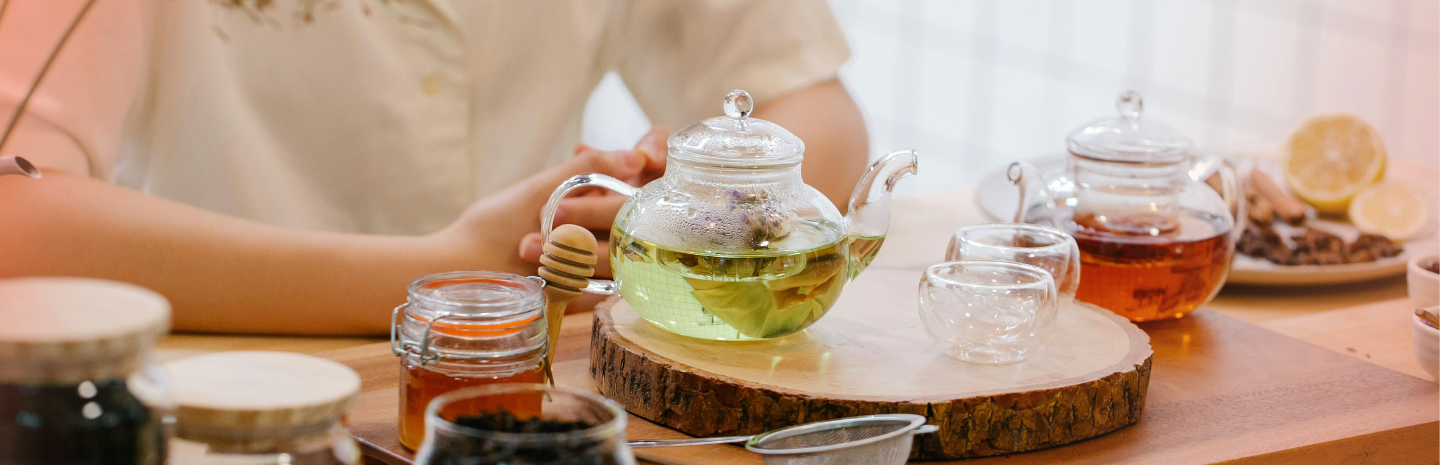
Herbal teas like ginger, peppermint, or chamomile can feel soothing when cramps, nausea, bloating, or restlessness show up. Ginger tea may feel especially helpful when your period comes with nausea or that uncomfortable, heavy-stomach feeling. -
Support Low Appetite
Soups and broths are useful on heavy-flow days because they’re easy to digest and often easier to consume when your appetite is low. The sodium in most soups helps the body retain fluids more effectively, preventing rapid fluid loss. Opt for soups that have lentils, chicken, vegetables, or bone broth, as they can also add protein, minerals, and other nutrients. -
Add Water-Rich Foods
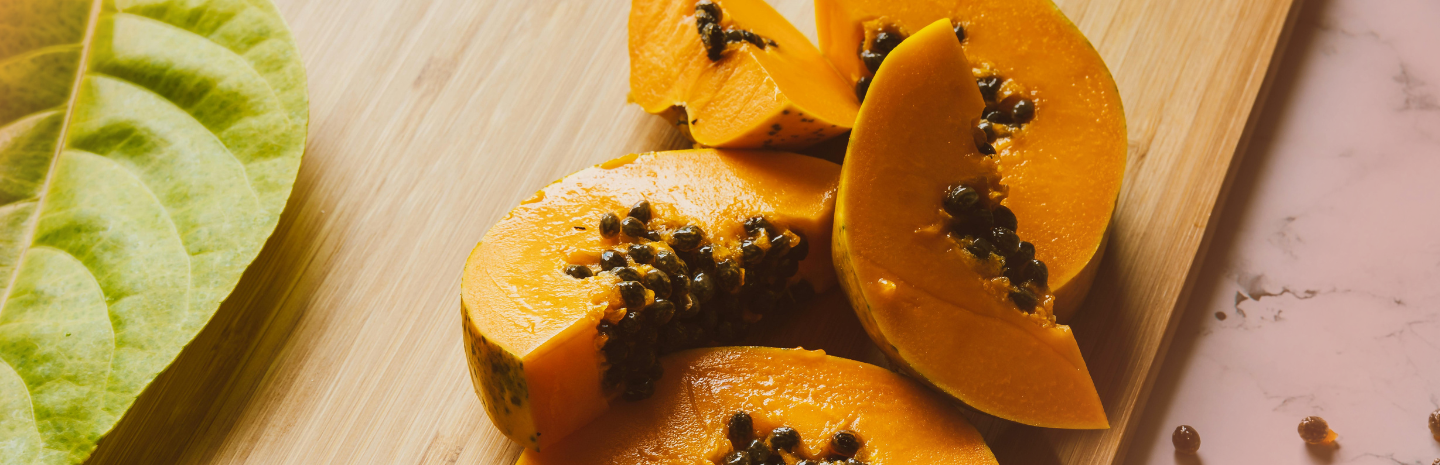
Water-rich foods like cucumber, watermelon, oranges, muskmelon, and papaya, which help you add fluids through food, which can feel easier when drinking plain water feels like a task. Small sips throughout the day usually work better than suddenly trying to drink a full bottle when you already feel tired.
5. Prioritise Gentle Movement
Movement can help during periods because it supports blood circulation, eases stiffness, and helps release some of the tightness that builds up in your body. It’s okay if you don’t have the energy for a full workout, especially on a heavy-flow day.
A slow walk, light stretching, child’s pose, or a few minutes of gentle yoga can be enough. Even moving your body a little can help when your lower back feels stiff, your legs feel heavy, or you have been curled up in one position for too long.
But this is not a rule you have to follow at all costs. If your cramps are severe, your flow is intense, or you feel weak, rest is valid. The better question is not “Did I work out on my period?” It is “What does my body need today?”
6. Prioritise Rest Before Your Body Crashes
Prioritising rest during your period is important because lack of sleep and rest can affect stress hormones, mood regulation, appetite, and even how strongly your body registers pain. Poor sleep is also common around menstruation, especially when cramps, bloating, headaches, or discomfort make it harder to fall asleep or stay asleep.
On days when it is difficult to prioritise rest fully, you can still do it in small ways:
- Take a short nap or lie down if you feel unusually tired.
- Sleep earlier the night before, or on the day your flow usually peaks.
- Use a hot water bag or a heat patch when cramps start to build.
- Keep your days lighter instead of forcing every plan into the same day.
- Take short breaks between work calls or classes so your body gets a pause before fatigue builds.
- Wear softer, looser clothes if bloating or tenderness makes you feel uncomfortable and overstimulated.
- Avoid unnecessary errands on the day your flow is usually at its heaviest.
Heavy-flow days can be difficult because we expect our bodies to behave exactly the same as on every other day. A good period care routine should make space for that difference. Rest is not laziness; it is one of the ways your body gets enough room to recover.
7. Prioritise Menstrual Hygiene While You Are On Your Period
Menstrual hygiene is the practice of managing your period in a way that keeps your body clean, dry, and comfortable while reducing the risk of irritation or infections.
Wash your hands before and after changing any menstrual product. Avoid harsh scented vaginal washes, perfumes, or over-cleaning the vulva. Plain, regular water is usually enough to clean the vulva. Make sure not to be too rough, as excessive cleaning can irritate the skin and disrupt your vagina’s natural pH balance.
This is also where the choice of period product matters. Some products can make you feel sweaty and be rough on the skin, or even have scents and chemicals that are unsafe for the body. A safe period product should be made with materials that are safe for the body and tested for harmful substances, whilst being suitable for intimate use. Menstrual hygiene is not only about what you do in the bathroom. It also depends on whether your protection supports your flow and comfort, and is gentle on your skin.
Choose Period Protection That Supports You
The period product you choose can make a bigger difference in how easy your period is to handle than you think. You are already dealing with cramps, bloating, sweat, tenderness, fatigue, and the general inconvenience of bleeding more than usual. So if your product keeps shifting, bunching, feeling damp, trapping heat, or pressing into your body, it only adds one more thing to manage.
That is the part people do not always talk about, or have simply gotten used to. A product can absorb blood and still make your day harder. If you are constantly checking it, adjusting it, or planning your next bathroom break around it, it is not really supporting your routine; it’s becoming part of the problem.
This is why heavy-flow protection needs to do more than just hold menstrual fluid. It should feel secure, breathable, comfortable, and easy to wear for longer stretches. And most importantly, it should feel dependable without making you constantly aware of it.
Are Period Panties Any Better?
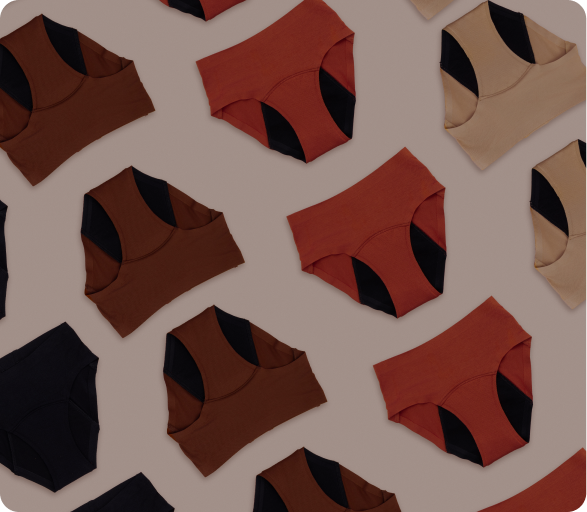
Period panties handle menstrual flow in a completely different way. They look and feel like regular underwear, but have absorbent technology built into the garment. So, all you have to do is slip them on and go about your day. There is no separate product to stick, insert, or keep adjusting.
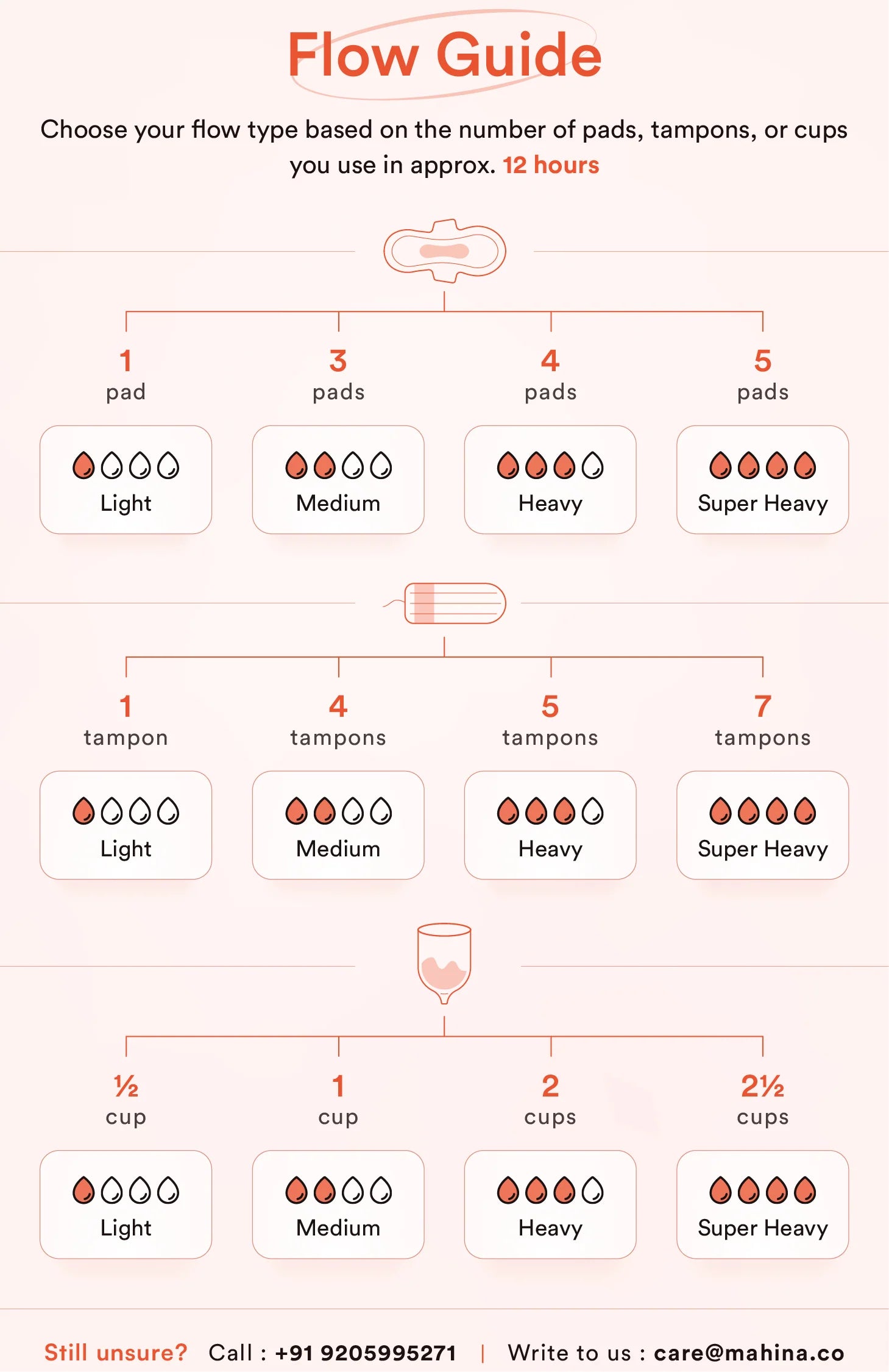
On heavy-flow days, the key is to choose a pair that can actually handle heavier bleeding and support you for a longer time frame. Mahina’s period panties come in 3 absorbency levels, and the highest variant, Super Heavy, can hold up to 50 ml. That is equal to 5 pads, 7 tampons, or 2.5 cups that would’ve otherwise been used. One panty can be worn for up to 12 hours, making them especially useful when frequent changes are difficult.
But how does it work? This is where the construction matters. Mahina’s period panties use a 3-layer gusset. The moisture-wicking top layer helps move menstrual fluid away from the skin, the absorbent middle layer securely holds the flow, and the leak-proof bottom layer helps prevent leaks from reaching your clothes.
With 2 different styles in Cotton and MicroModal, the product feels softer, smoother, and more secure for long wear. In real life, that means less shifting, less bunching, fewer changes, and less of that constant “is everything okay?” checking that makes heavy-flow days feel even more tiring.
How To Use Period Panties On Your Heaviest Flow Day
If you are new to period panties, start by using them on a day when you can observe your flow more easily, like a day at home or a slightly less packed workday. This helps you understand the product and truly trust it. You can gauge how long the absorbency lasts, how the fit feels, and whether you need a higher absorbency on your heaviest day.
Once you have a better sense of your flow, choose your absorbency based on what you usually use in a 10 to 12-hour window. This makes it easier to pick a pair that can actually support your day, instead of expecting a lighter absorbency to manage heavy-flow protection.
A simple way to understand your absorbency level is to look at the products you already use:
- If you use around 3 pads in 12 hours, opt for Mahina’s Medium absorbency.
- If you use around 4 pads in 12 hours, opt for Mahina’s Heavy absorbency.
- If you use around 5 pads in 12 hours, opt for Mahina’s Super Heavy absorbency.
If you are still unsure, you can take Mahina’s Know Your Flow Quiz to find the right product for you in under 2 minutes.
Wear the period panty like regular underwear. The fit should feel snug, but not tight. A snug fit helps the gusset stay close to the body, which supports better absorption and leak protection. If the fit is too loose, the product may shift or sit away from where it needs to. If it is too tight, it can add to bloating or discomfort. Keep in mind, Mahina’s period panties come in 7 different sizes, from XS to 3XL, and are designed to support real Indian women, so make sure to check the size chart and follow the instructions to find the perfect fit for your body.
If you are still unsure of whether period panties can truly support you, carry a backup pair for the first few cycles. That way, you can change if the panty feels full, damp, heavy, or uncomfortable without feeling stuck.
If you are outside, store the used pair in a clean period pouch until you can wash it. That small habit keeps your bag organised and supports better menstrual hygiene through the day.
How To Care For Period Panties After Use
Period panties are easy to care for once the routine becomes familiar. The main thing is to wash them gently and dry them completely so they stay hygienic and effective for repeated use. Here’s the best way to take care of your period panties:
- Rinse: Rinse the panty in cold or room temperature water until the water runs mostly clear. Cold water helps remove blood more easily, while hot water can set stains. You can also soak the panty in water for 20 minutes to loosen the blood and make the process easier.
- Wash: Use a gentle detergent and follow the brand’s wash-care instructions. Avoid harsh scrubbing, wringing or twisting as it can affect the product over time. Avoid bleach and fabric softeners as these can affect the absorbent layers and reduce the performance of the panty.
- Dry completely: Gently squeeze out the extra water and clip the period panty at the waistband under indirect sunlight. Wearing or storing a damp product can affect hygiene and comfort.
- Store: Once your period panties are completely dry, keep them somewhere clean, dust-free and easy to access before your next cycle.
If you use period panties often, keep enough pairs in rotation so drying time does not become stressful. 3 to 5 pairs can work if you wash frequently. 5 to 7 pairs can support a fuller cycle routine more easily, especially if you have multiple heavy-flow days or live in a humid climate where drying takes longer.
Mahina Period Panties can last up to 100 washes with proper care, making them a practical addition to your period care routine rather than constantly restocking disposable products.
Heavy Flow Needs A Routine That Feels Repeatable
A complete period care routine for your heaviest-flow day is not about adding more rules to an already difficult day. It is about making the day feel a little more manageable before things start to feel overwhelming. But the right period care routine can make those days feel less consuming. When your food intake, rest routine, menstrual hygiene habits, and period protection align with your body’s needs instead of adding more stress, your period becomes easier to manage. They may not become effortless, perfect or invisible, but they just become more manageable and more familiar, and a little less like something you have to brace yourself for every month.
To Sum It Up
Heavy-flow days can feel especially difficult because they usually bring more than just bleeding. Cramps, fatigue, dizziness, cravings, mood swings, disturbed sleep, stain anxiety, and the stress of changing products often come together, making the whole day feel harder to manage. A complete period care routine helps reduce that chaos by preparing before the period starts, tracking the heaviest day, eating foods that support energy and cramps, staying properly hydrated, moving gently when possible, resting before the body crashes, and maintaining menstrual hygiene. The routine also depends heavily on choosing period protection that actually supports long wear without shifting, bunching, feeling damp, or needing constant checking. Mahina’s period panties fit into this routine by offering built-in absorbency, three flow options, up to 12-hour wear, a 3-layer gusset, Cotton and MicroModal styles, and a reusable wash-care system that makes heavy-flow days feel more manageable. The goal is not to make heavy periods disappear, but to make them feel less overwhelming, better supported, and easier to prepare for every month.

Sources
- Mahina: Step-by-step guide to washing your period panty
- Healthline: What’s the best way to get rid of blood stains?
- Mahina: Find your fit: mahina period panty sizing guide
- The Voice Of Fashion: Why indian women still struggle with lingerie
- Mahina: Everyday Cotton
- Mahina: Oh So Soft Modal
- Mahina: Know Your Flow Quiz
About The Author