

If you are looking for natural period cramp relief, start with simple measures such as heat, light movement and rest. Other approaches may help too, but what works can differ from person to person.
What Causes Period Pain?
Menstrual cramps usually feel like aching or tightening in the lower abdomen and can spread to the back or thighs. This happens when the uterus contracts to shed its lining. Prostaglandins, chemicals involved in inflammation and uterine contractions, contribute to this cramping.
Severe period pain is medically called dysmenorrhoea. Cleveland Clinic explains the causes and symptoms of dysmenorrhoea here.
If you are searching for a home remedy for dysmenorrhoea, these at-home options may help with mild to moderate cramps.
Natural Remedies For Period Pain
1. Heat Therapy: Hot Water Bottle Or Heating Pad
Applying heat to your lower abdomen is one of the better-supported home remedies for menstrual cramps. Use a heating pad, heat patch or hot water bottle wrapped in a towel, or try a warm bath or shower.
A 2026 systematic review covering 57 randomised trials found that heat therapy reduced pain in primary dysmenorrhoea. The NHS also recommends heat for menstrual cramps.
Avoid placing something very hot directly against your skin, as it can cause burns.
2. Gentle Exercise And Yoga
Walking, stretching or doing gentle yoga may help even when exercising is the last thing you feel like doing.
Movement can release endorphins, which act as natural pain relievers, while research reviews have found exercise can reduce menstrual pain. The NHS recommends gentle activities such as walking, swimming, cycling and yoga.
If you prefer acupressure, read Mahina’s guide to acupressure for period pain.
3. Stay Hydrated
Drinking enough water supports your overall wellbeing and may be particularly useful if your period also comes with headaches, diarrhoea or bloating.
There is limited evidence that increasing water intake may reduce menstrual pain in people who normally drink relatively little water, but hydration should not be treated as a quick cure for uterine cramps.
Warm water can also feel soothing if you prefer it.
4. Eat Magnesium-Rich Foods
Magnesium supports normal muscle and nerve function, which may partly explain why it has been studied for menstrual cramps. Cleveland Clinic notes that magnesium may help with menstrual cramps, although research is still limited.
Food sources include spinach and other leafy greens, pumpkin seeds, almonds, cashews, peanuts, beans, lentils and whole grains.
Speak with a healthcare professional before taking high-dose magnesium supplements, especially if you take other medicines.
5. Include Omega-3s In Your Diet
Omega-3 fatty acids may help with period pain. Research found that omega-3 supplementation was associated with lower dysmenorrhoea pain, although the researchers noted limitations in the available studies.
Food sources include sardines, mackerel (also known as bangda), salmon, walnuts, chia seeds and flaxseeds. Fatty fish such as mackerel and sardines are naturally rich in EPA and DHA omega-3s.
6. Consume Ginger
Ginger is one of the better-studied herbal options for natural menstrual cramp relief. You can add ginger to food or drink ginger tea. Its anti-inflammatory compounds may influence pathways involved in pain and inflammation.
A 2024 systematic review and meta-analysis found that ginger reduced the intensity of primary dysmenorrhoea compared with placebo, although the researchers noted limitations in study quality and safety reporting.
7. Sip Chamomile Or Herbal Tea
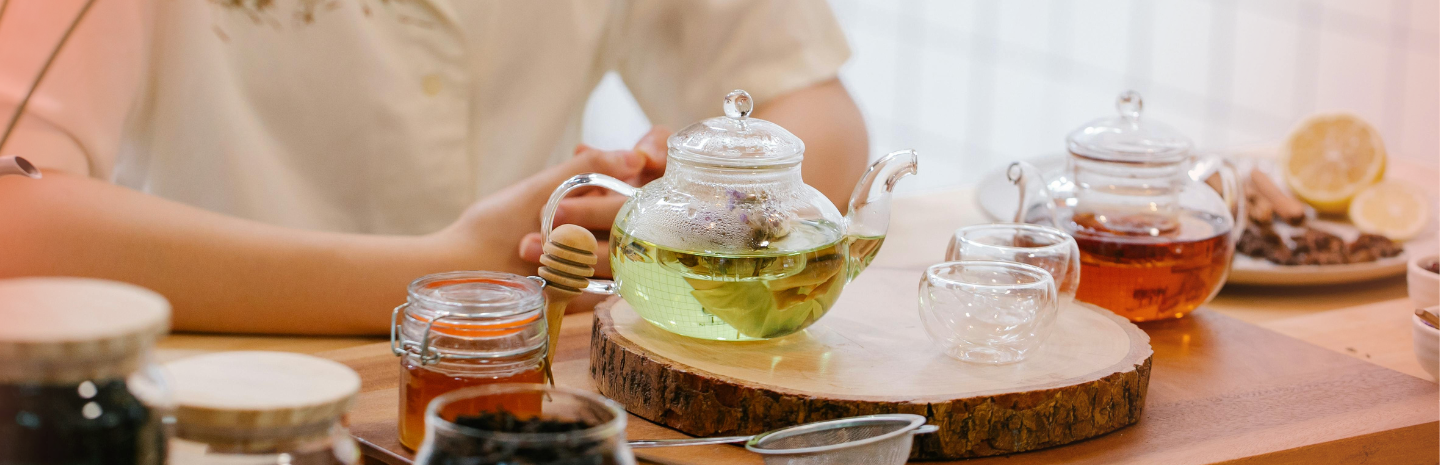
A warm caffeine-free drink can be soothing when cramps hit. Chamomile may also have anti-inflammatory and antispasmodic properties that could contribute to its effects on menstrual discomfort.
A systematic review of 7 clinical trials found promising results for dysmenorrhoea, although more high-quality research is needed before chamomile can be considered a proven treatment.
Choose a tea you tolerate well and avoid herbs you know you are sensitive to.
8. Try Gentle Abdominal Massages
Gently massaging your lower abdomen or back may help relax tense areas and make cramps feel more manageable.
The NHS lists tummy and back massage as an at-home measure for easing period pain.
If you use essential oils, dilute them properly before applying them to the skin and stop if you notice irritation.
9. Make Simple Anti-Inflammatory Diet Tweaks
There is no single diet that can make period cramps disappear. Instead, focus on consuming regular balanced meals with vegetables, whole grains, protein and healthy fats.
Foods such as leafy greens, nuts, seeds, fruit and whole grains provide fibre and nutrients and can form part of an overall balanced diet during your period. Cleveland Clinic recommends focusing on whole foods rather than relying on restrictive “period diets”.
10. Prioritise Rest And Better Sleep
Pain can make sleep more difficult, while poor sleep can make an already uncomfortable period feel more exhausting.
Mayo Clinic includes adequate rest and sleep among its self-care recommendations for menstrual cramps.
Try a warm shower, comfortable sleeping position, heat therapy or a calmer bedtime routine if they help you relax.
When To See A Doctor About Period Pain
Some cramping is common, but pain that is severe or changes noticeably should not simply be normalised.
The NHS recommends seeking medical advice if:
- Your periods become more painful, heavier or irregular.
- Period pain stops you from doing your usual activities.
- You experience pain during sex, urination or bowel movements.
- Your pain is severe or worse than usual and usual pain relief is not helping.
- You bleed between periods.
Conditions such as endometriosis, adenomyosis, fibroids and pelvic inflammatory disease can cause secondary period pain, so persistent or worsening symptoms may need medical assessment.


Sources
- PUBMED CENTRAL: Heat therapy for primary dysmenorrhea: A systematic review and meta-analysis of its effects on pain relief and quality of life
- PUBMED: The effect of yoga practice on pain intensity, menstruation symptoms and quality of life of nursing students with primary dysmenorrhea
- ACOG: Dysmenorrhea: Painful Periods
About the Author