

Key Takeaways
- No Ayurvedic medicine has been proven to make a period start immediately or on demand. Evidence for inducing a delayed period is limited.
- Ashoka, Shatavari, Dashmool, Triphala, Yashtimadhu and Guduchi are traditionally used for aspects of menstrual or reproductive health, but are not guaranteed period-inducing medicines.
- Papaya, pineapple, carom seed water and warm water with ghee are popular traditional remedies, but there is not enough clinical evidence that they reliably bring on a period.
- If pregnancy is possible, take a pregnancy test before trying to induce bleeding.
- Repeated late or missed periods can be linked to stress, weight changes, excessive exercise, PCOS, thyroid conditions, contraception or perimenopause.
- Speak with a doctor or qualified Ayurvedic practitioner before regularly using concentrated herbs or formulations, especially if you take medicines, have a medical condition or could be pregnant.
If you are searching for the best Ayurvedic medicine to get periods immediately, the most important thing to know is that Ayurveda does not offer a scientifically proven instant way to start menstruation.
Some Ayurvedic herbs, foods and therapies have traditionally been used to support menstrual health, but a delayed period can have many causes. Finding out why the period is late is more important than trying increasingly strong remedies to make it start.
How Does Ayurveda Relate To Menstrual Health?
Ayurveda traditionally approaches menstrual health as part of overall physical, digestive and lifestyle balance rather than treating every late period as the same problem. Herbs, diet, oil massage and other practices may be recommended differently depending on the individual.
Traditional use and modern clinical evidence are not the same thing. The NCCIH overview of Ayurvedic medicine notes that relatively few high-quality clinical trials have evaluated Ayurvedic treatments for many health conditions. A 2024 review of Ayurvedic herbs in female reproductive health also highlighted gaps in the quality and quantity of available research.
Best Ayurvedic Remedies To Get Periods Immediately
There is no single “best” Ayurvedic remedy proven to bring on a period immediately. The following foods and remedies are commonly discussed in traditional or home practice, but their effect on the exact timing of menstruation has not been established.
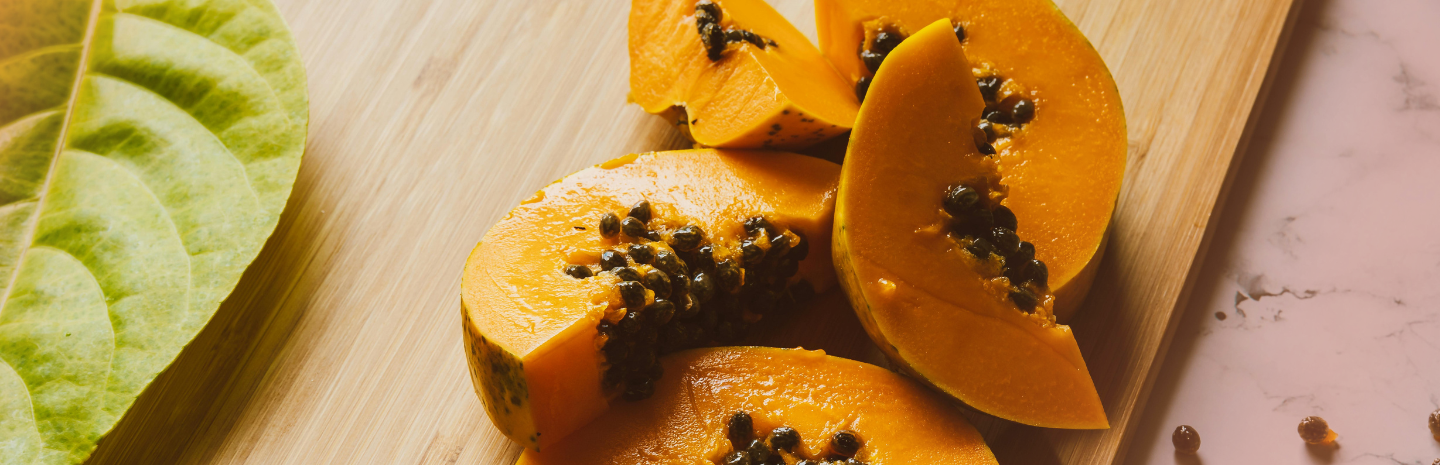
Papaya
Papaya is commonly recommended as a traditional food for delayed periods, but there is no good clinical evidence that eating it will make menstruation start. It can still be part of a balanced diet, but it should not replace investigating repeatedly delayed periods.
Pineapple
Pineapple is another popular home remedy, but evidence that it can trigger uterine bleeding or reliably bring on a period is lacking. Claims that pineapple can start menstruation because of bromelain or “body heat” have not been established in clinical trials.
Carom Seed Water
Ajwain or carom seed water is traditionally consumed for digestive discomfort and menstrual symptoms, but it has not been shown to reliably induce a delayed period. A normal food-based drink is different from using concentrated preparations as treatment.
Aloe Vera With Honey
Aloe vera with honey is mentioned in some traditional menstrual-health remedies, but there is not enough evidence to show that it regulates or induces menstruation. Do not use large or medicinal amounts of herbal products simply because a period is late.
Warm Water With Ghee
Warm water with ghee is used in some traditional Ayurvedic routines, but there is no established clinical evidence that drinking it on the first day of a delayed cycle will make your period begin. It is best framed as a traditional practice rather than a proven period-inducing treatment.

Pineapple is a popular traditional remedy, but it has not been proven to reliably induce a period.
How Long Do Ayurvedic Remedies Take To Work?
There is no medically established timeframe because these remedies have not been proven to reliably induce menstruation. It would be misleading to promise that a remedy will work in a few hours, one day or even several days. If your period arrives after trying a remedy, that does not necessarily mean the remedy caused it; menstrual timing naturally varies from cycle to cycle.
Best Ayurvedic Medicines For Irregular Periods
Ayurvedic practitioners use several herbs and formulations for menstrual and reproductive health, but their suitability depends on the person and the reason the periods are irregular.
Ashoka Tree Bark
Ashoka (Saraca asoca) has a long history of traditional use in Ayurveda for gynaecological concerns. However, evidence is not strong enough to recommend it as a proven treatment for making a delayed period start.
Shatavari
Shatavari (Asparagus racemosus) is traditionally used in women's reproductive health. Research is beginning to examine its effects in specific conditions such as PCOS, but this is different from showing that Shatavari can immediately induce menstruation.
Dashmool
Dashmool is a traditional formulation made from ten plant roots. Because it combines several herbs, its effects, safety and possible medication interactions should be discussed with a qualified practitioner rather than self-dosed.
Triphala
Triphala is an Ayurvedic formulation traditionally used more often for digestive and general health. There is not enough evidence to recommend it specifically for bringing on a delayed period.
Liquorice Or Yashtimadhu
Liquorice is used in traditional medicine and has biologically active compounds that can affect the body. That is also why concentrated or regular use should not be assumed to be harmless. It can interact with medicines and may be unsuitable for people with certain health conditions.
Guduchi
Guduchi is another herb used within Ayurveda for several purposes, but evidence that it can induce a delayed menstrual period is lacking.
None of these herbs should be described as an instant period-inducing medicine.
Ayurvedic Therapies Beyond Herbs
Ayurveda also includes therapies such as massage and Panchakarma, but these are not proven ways to immediately start menstruation.
Panchakarma
Panchakarma refers to a group of traditional Ayurvedic procedures rather than one treatment. It should be performed only under appropriate professional supervision. It is not supported as an evidence-based method for making a late period begin on demand.
Abhyanga
Abhyanga is an Ayurvedic oil massage. It may feel relaxing and can be used as part of a wellbeing routine, but there is no good evidence that oil massage induces menstruation.
Ayurveda Vs Medical Tablets: What's The Difference?
Ayurvedic remedies and prescription medicines are not interchangeable approaches to a delayed period.
| Ayurvedic Remedies | Medical Treatment |
|---|---|
| Often based on traditional use | Based on a diagnosed cause and clinical treatment |
| Effects on period timing are uncertain | Some hormonal medicines can produce predictable bleeding patterns |
| No proven instant period-inducing remedy | Prescription treatment may be used when medically appropriate |
| Herbs can cause side effects or interactions | Medicinal tablets also have contraindications and side effects |
| Discuss with a qualified practitioner | Prescribed or recommended by a healthcare professional |
Doctors sometimes use hormonal medicines to manage absent or irregular periods, depending on why the period is delayed. They should not be taken simply because you want bleeding to begin immediately. Treatment for missed periods depends on the cause, according to the NHS.
Safety First: What To Know Before Trying To Induce A Period
Before trying to make a late period start, first work out whether there could be a reason that needs medical attention.
Rule Out Pregnancy First
A missed period can be an early sign of pregnancy. If pregnancy is possible, take a pregnancy test before using herbs, supplements or medicines to try to trigger bleeding. The NHS lists pregnancy among common causes of a missed period.
Ayurvedic Does Not Automatically Mean Risk-Free
Herbal products can have side effects, interact with medicines or vary in quality. The NCCIH warns that some Ayurvedic preparations have been found to contain potentially harmful levels of metals such as lead, mercury or arsenic. Tell your doctor about any herbal or Ayurvedic medicines you use, particularly if you take prescription medication.
Do Not Expect An Instant Result
No food, drink, herb or Ayurvedic formulation has been shown to reliably start a period immediately. A systematic review of herbal medicines for infrequent or absent periods found that although many plants are traditionally used, relatively few have meaningful clinical evidence behind them.
When Should You See A Doctor?
See a doctor when delayed or irregular periods become a recurring pattern rather than repeatedly trying remedies at home.
Late periods can happen because of:
- Pregnancy.
- Significant stress.
- Sudden weight loss or gain.
- Excessive exercise.
- Hormonal contraception.
- PCOS.
- Thyroid conditions.
- Perimenopause.
The NHS recommends medical advice if you have missed three periods in a row, your periods have become irregular, or the change comes with symptoms such as significant weight changes, tiredness or increased facial hair.
Things To Eat During Your Period
You do not need a special “period diet”, but balanced meals can support your general wellbeing during menstruation.
- Iron-rich foods: Lentils, beans, leafy vegetables, fortified cereals and meat if you eat it can help support your iron intake, particularly if you have heavier periods.
- Vitamin C-rich foods: Amla, citrus fruits and other sources of vitamin C can be paired with plant-based iron sources because vitamin C helps your body absorb iron.
- Protein: Include a regular source of protein throughout the day.
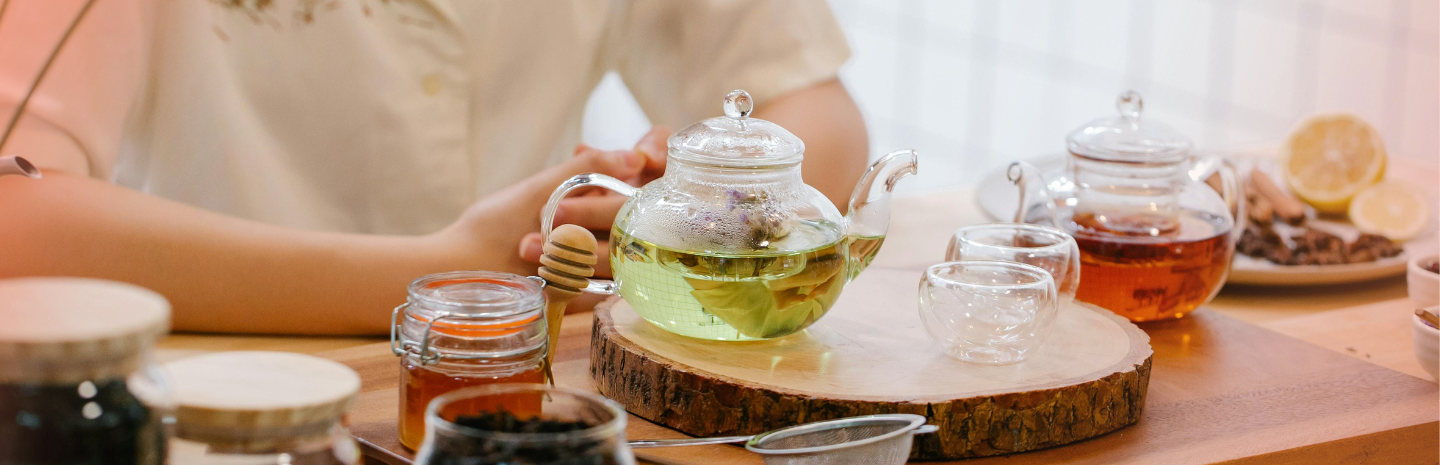
- Warm drinks: Herbal teas such as ginger tea can be a comforting way to stay hydrated if you feel bloated or have cramps.
- Water-rich foods and fluids: Prioritise drinking 2.5 to 3 litres of water in a day and include foods that contribute to hydration.
For more practical nutrition ideas, read Mahina's guide to nutrition that supports your period and explore these hydration tips for your cycle.
Embrace Simple Changes For A Healthier Cycle
Ayurveda can be part of someone's personal approach to wellbeing, but a persistently delayed menstrual cycle deserves a clear explanation rather than an endless sequence of home remedies. If your period is occasionally a few days late, natural cycle variation may be all that is happening. If delays become frequent, rule out pregnancy and speak with a healthcare professional about the cause.
Traditional remedies can be discussed with a qualified Ayurvedic practitioner, but they should complement appropriate medical care rather than replace it.

Sources
- NHS: Missed or late periods
- NHS: Irregular periods
- NCCIH: Ayurvedic Medicine: In Depth
- NIH/PubMed: Ayurvedic herbal medicines in female reproductive health
- NIH/PubMed: Herbal medicine for oligomenorrhea and amenorrhea
- NIH/PubMed: Shatavari and PCOS research
About the Author