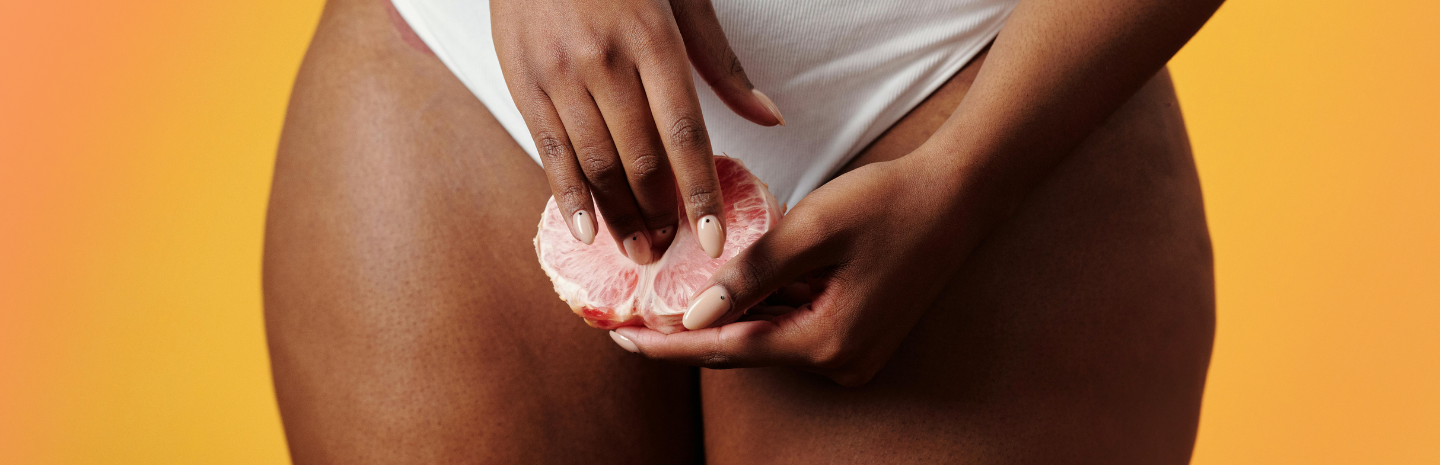


You might have noticed this at some point without really knowing what to make of it. You’re not at the gym. You’re not out in the afternoon heat. You’re just going about your day, and yet that familiar dampness shows up anyway. Sweating in the female groin area is more common than we admit. It’s just not something many women feel comfortable asking about or bringing up.
Understanding why it happens, what makes it worse, and what actually helps can make it a lot easier to deal with.
Why Does The Groin Area Sweat So Much?
The groin area has a high number of sweat glands, mainly eccrine and apocrine glands, which respond to heat, movement, and even stress. Since this part of the body stays covered most of the day, there isn’t much airflow, so moisture builds up easily. Add skin-to-skin contact, and the sweat doesn’t really get a chance to dry.
In addition, a few everyday factors can make sweating in the female groin area feel more noticeable:
- Clothing: Tight jeans, leggings, or synthetic underwear trap heat against your skin, leaving very little room for air to move through.
- Weather: Indian summers, especially with high humidity, make your body sweat more to cool itself down, which can make sweating in your groin feel more noticeable.
- Hormonal changes: Your body naturally feels warmer in the days leading up to your period. This shift can show up as increased sweating.
- Movement: Long commutes, walking, or spending hours at school or college can slowly build up moisture in an area that already doesn’t get much airflow.
- Stress: Your body releases hormones like cortisol and adrenaline when it is under stress. These hormones can make your sweat feel much heavier and more noticeable than usual.
When you put all of this together, it makes sense why you can feel sweaty down there even on days when you haven’t done anything particularly strenuous.
Can Sweating In The Female Groin Area Lead To Infections?
For most women, sweating in the groin area is completely normal. Your groin area naturally keeps a healthy balance of bacteria and yeast. When it stays damp for long periods, that balance can get disrupted, making it easier for infections like bacterial vaginosis or yeast infections to develop.
Some signs to look out for include:
- Irritation or itching
- Rashes or chafing
- Fungal infections
- A noticeable odour
Sometimes, you may notice the sweating feels unusually heavy. This could be hyperhidrosis, a condition where the sweat glands are more active than usual. It can happen on its own or be linked to hormonal changes, thyroid issues, diabetes, or certain medications.
If the sweating feels different from what you usually experience, or starts affecting your day-to-day comfort, it’s worth getting it checked instead of just putting up with it.
Ways To Help Reduce Groin Sweating
Managing heavy sweating in the groin area does not require drastic changes. Most of the time, small, consistent habits can make a noticeable difference.
-
Change Damp Underwear
It is one of the most effective ways to prevent irritation and infection. If you commute long distances or know you will be out most of the day, it’s practical to carry a spare pair of underwear or opt for sweat-proof underwear. -
Rinse With Plain Water
Once or twice a day, especially after sweating, is enough. The vagina is self-cleaning, so scented products and intimate washes often disrupt your natural pH instead of helping. -
Wear Loose Clothing
In warm weather, tight clothing is one of the biggest reasons moisture gets trapped; opt for loose pants or skirts. -
Stay Hydrated
It may not seem directly related, but it helps your body regulate temperature better.
What Underwear Helps Reduce Groin Sweat
Your choice of underwear can make a real difference when it comes to managing heavy sweating in the female groin area.
What To Avoid:
- Fabrics like synthetic, polyester, nylon, and spandex don’t let air pass through easily, so sweat stays trapped against your skin.
- Fabrics that have laces or are heavily textured can start to rub once there’s dampness, which can lead to chafing and irritation, especially in humid weather.
- Very tight underwear reduces airflow, so sweat doesn’t dry, and the discomfort builds throughout the day.
What Actually Helps:
- Cotton absorbs moisture and allows your skin to breathe, which is why it feels more comfortable for daily wear and is often recommended by gynaecologists.
- MicroModal is softer than cotton, handles moisture well, and stays comfortable for longer hours, especially in hot and humid weather.
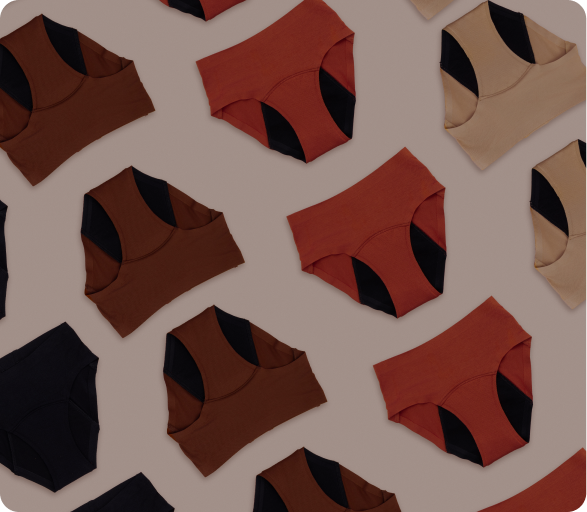
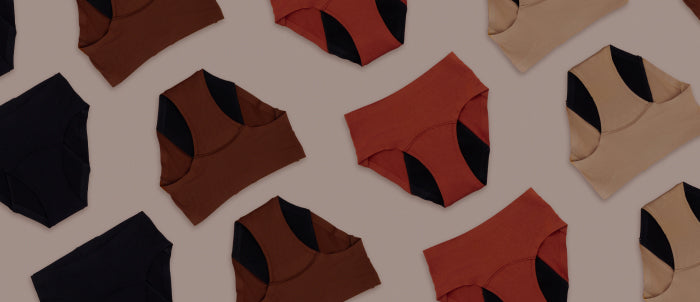
- Mahina’s Daily Panty Liner Underwear absorbs sweat from the skin, keeps the area feeling drier, and reduces the constant need to change, adjust, or layer disposable liners. It is designed for everyday dampness, light urine leaks, spotting, discharge, and post-washroom dampness. Mahina’s DPLU works well as panty liner replacement underwear, eliminating the need for multiple panty liners throughout the day with one pair replacing up to 4 liners in 12 hours.
When Should You Speak With A Doctor?
While sweating in the female groin area can usually be managed with simple self-care, there are times when it’s worth getting medical advice:
- You suddenly sweat more heavily than usual.
- You sweat even in cool weather or without a clear reason.
- You experience frequent irritation or infections.
- There’s a strong or unusual odour that doesn’t go away.
- It starts affecting your daily comfort or confidence.
The Real Issue Is Trapped Moisture
Sweating in the female groin area is normal. The discomfort usually comes from moisture sitting on the skin for too long, not from sweating itself.
Better fabrics, timely changes, and a few simple habits are what actually make a difference. Choosing breathable options, especially during your periods, like a reusable period panty, can also help manage moisture more comfortably through the day.
To Sum It Up
Sweating in the female groin area is common and usually happens because the area has many sweat glands, stays covered for long hours, and gets limited airflow. Tight clothing, humid weather, hormonal changes, movement, stress, and long commutes can all make dampness feel more noticeable. Sweat itself is normal, but when moisture sits on the skin for too long, it can lead to itching, chafing, irritation, odour, or infections. Simple habits can help, such as changing out of damp underwear, rinsing with plain water, wearing looser clothing, staying hydrated, and choosing breathable fabrics. Cotton and MicroModal can support daily comfort, while absorbent everyday underwear can help manage sweat, discharge, spotting, and post-washroom dampness without relying on disposable liners.

Sources
- Medical News Today: What to know about groin sweat
- Medical News Today: What causes sweating around the vagina?
- Mayo Clinic: Sweat glands
- Healthline: Stress Sweat is real, here’s how to manage it
- Science Direct: Inguinal, or Hexsel's hyperhidrosis
- Healthline: What to do about a sweaty vaginal area (and why it happens)
- Mahina: Cotton vs modal: which period panty feels better?
- Mahina: Sweat-proof underwear that supports you from pilates to pms
About The Author