

If you have ever had to cancel plans, call in sick, or spend a day in bed curled up with a heating pad, you know that standard period care does not always meet your needs. Pushing through or relying on painkillers alone can start to feel like the only option.
But this isn’t the only way to approach pain and discomfort. Daily period care is about supporting your body before discomfort peaks, not just reacting once pain sets in. Small, consistent habits, along with a few menstrual wellness tips, can make cramps easier to deal with and help reduce stress.
This guide looks at simple, practical habits that help ease period discomfort and support your body throughout the month.
What Does Period Discomfort Look Like?
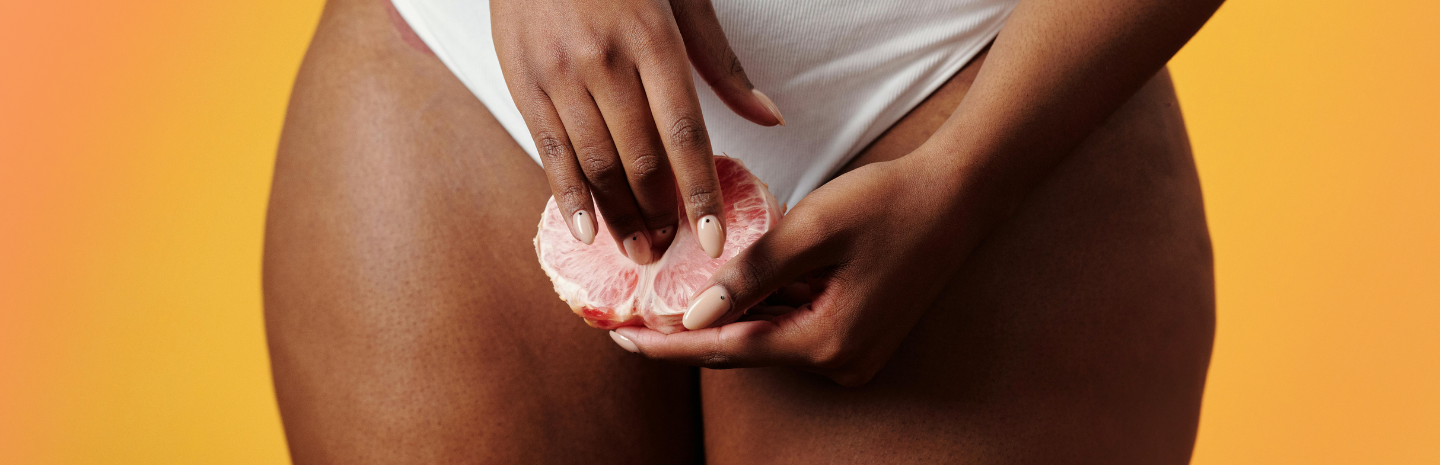
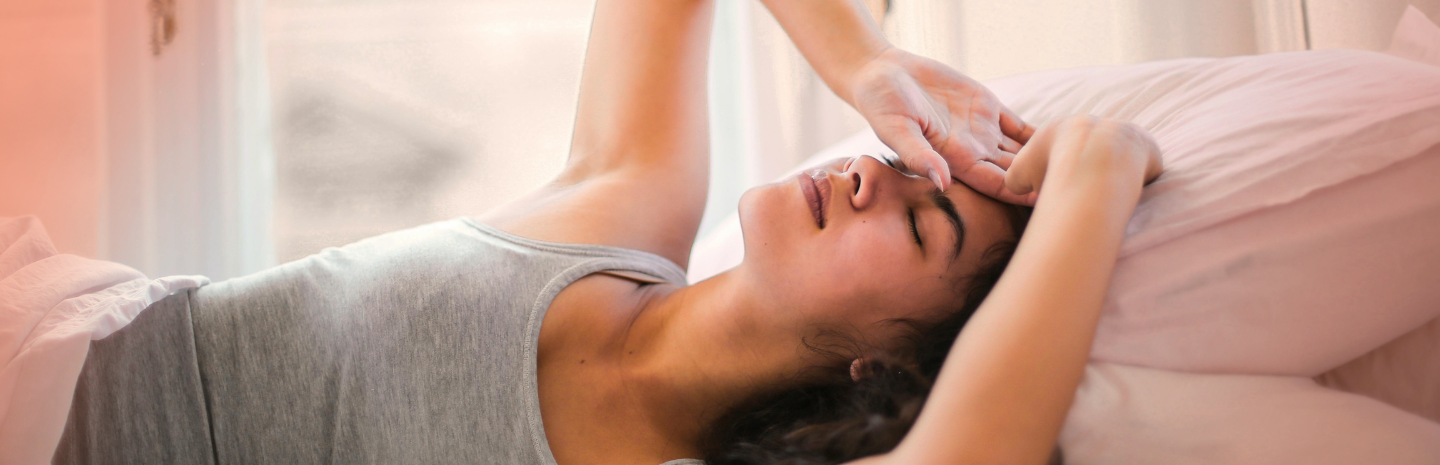
Period discomfort does not always show up as sharp cramps alone. It can feel like heaviness in the lower abdomen, a dull ache in the lower back, persistent fatigue, bloating, or irritability that lingers through the day. For some people, it is a mix of physical discomfort and emotional strain that makes everyday tasks feel harder than usual.
These experiences are common, and they rarely happen without cause. Several everyday factors can contribute to how intense discomfort and stress feel during your period.
- Hormonal changes: As oestrogen and progesterone rise and fall, they can influence how your body feels overall, from pain and digestion to sleep and mood.
- Stress overload: When stress levels are high, the body becomes more sensitive to pain. Emotional pressure and mental fatigue can make cramps and discomfort feel stronger.
- Poor or disrupted sleep: Inadequate rest can lower pain tolerance and increase irritability, making both physical and emotional symptoms harder to manage.
- Dehydration and eating irregularly: Not drinking enough water or skipping meals can worsen bloating, muscle tension, and fatigue during your period.
- Lack of movement: Long periods of inactivity can cause the muscles around your thighs and pelvic area to stiffen, which can make cramps feel more intense.
- Nutrient imbalances. During the menstrual cycle, the body can ask for more of certain nutrients, like iron or magnesium. When those needs are not met, fatigue, low energy, or muscle discomfort can feel more noticeable.
Understanding these factors is an important part of daily period care. Once you recognise what tends to affect your body most, you can respond better with habits that offer support rather than strain your body.
Daily Period Care Habits That Support Your Body
Small, consistent habits can make a noticeable difference. These menstrual wellness tips are not rules to follow perfectly, but options you can adapt depending on how your body feels each day.
- Prioritise warmth: Using a hot water bottle, heating pad, or taking warm showers can help relax muscles and reduce cramping. Heat therapy is one of the simplest ways to manage period cramps throughout the day.
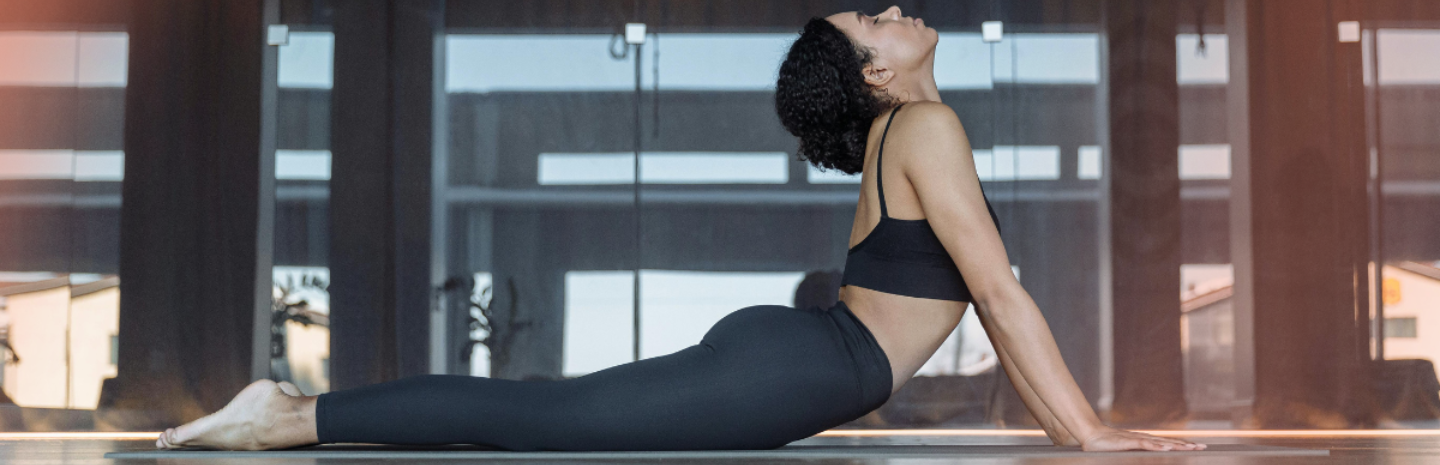
- Stay active: Walking, stretching, or gentle yoga poses like cat–cow, fish, and cobra can help improve circulation and ease stiffness. To know more about how yoga can help, read our blog, “Does yoga make your period better?”
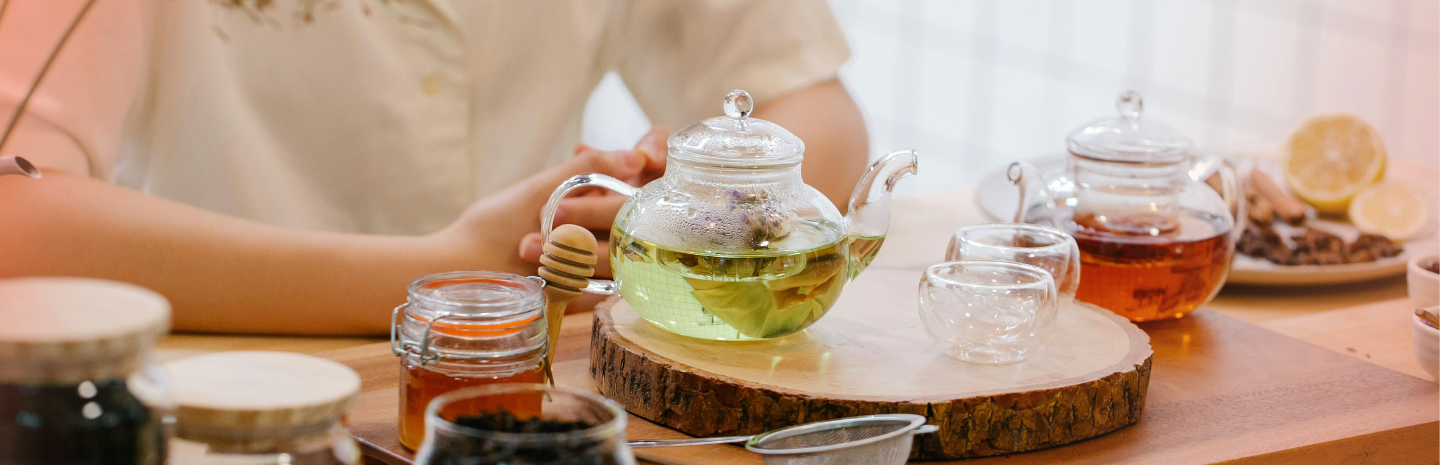
- Eat regular, nourishing meals: Skipping meals can worsen fatigue and irritability. Warm, balanced foods tend to feel easier on digestion during periods and support energy levels. Check out our blog, “Eating right: how nutrition supports your period”, to understand the importance of balance and nutrition.
- Hydrate consistently: Dehydration can increase muscle tension and bloating. Drinking enough water throughout the day helps ease physical stress on the body.
- Create breathing space during the day: A few moments of slow breathing or quiet pauses can help ease tension and take the edge off both physical and emotional discomfort.
- Adjust expectations: Periods are not the time to push productivity. Allowing yourself to slow down, rest more, or reschedule non-essential tasks is a valid part of period care.
- Support sleep and rest: Simple habits like eating dinner earlier, winding down with a bit of meditation, going to bed on time, and easing off screens can make a real difference to how well you sleep. And when you’re better rested, your body handles pain and stress more gently, too.
Some days you will manage more, other days less. Over time, small, consistent choices often make the cycle feel easier to manage. To dive deeper into how to help yourself, read our blog, “10 Home Remedies To Ease Period Pain Naturally”.
When Should You Seek Medical Advice?
Some level of period discomfort is common, but it should still feel familiar to you. When pain starts to feel overwhelming, unusual, or harder to live with, it is worth paying attention.
You may want to check in with a doctor if:
- Pain regularly interferes with work, sleep, or daily activities, even after self-care.
- Cramps feel sudden, sharp, or different from what you usually experience.
- Bleeding feels unusually heavy or lasts much longer than normal.
- Symptoms become more intense with each cycle instead of staying fairly consistent.
Seeking medical advice does not mean you have failed at period care. It simply means you are paying attention to your body and responding when something feels off.
A Gentler Way To Think About Period Care
Periods do not have to be something you quietly endure each month. When daily period care feels supportive and realistic, discomfort and stress often become easier to manage.
Period care is all about noticing patterns, giving yourself room to slow down when needed, and responding to what your body is asking for on a given day. Sometimes, the most helpful thing is not doing more, but listening a little more closely.

Sources
- National Library Of Medicine: Overview: period pain
- Mayo Clinic: Menstrual cramps
- National Library Of Medicine: The effectiveness of self-care and lifestyle interventions in primary dysmenorrhea: a systematic review and meta-analysis
- Mahina: Eating right: how nutrition supports your period
- Mahina: Does yoga make your period better?
- Mahina: 10 Home Remedies To Ease Period Pain Naturally
About The Author