

Key Takeaways
- Leaking urine when you sneeze, cough, laugh, run or lift is called stress urinary incontinence.
- It happens when sudden pressure on the bladder is greater than the support provided by the pelvic floor and urethral closure system.
- Pregnancy, childbirth, menopause, chronic coughing, constipation and some high-impact activities can increase the likelihood of bladder leaks.
- Pelvic floor muscle training is a first-line treatment and is usually recommended consistently for at least three months.
- Absorbent underwear can help manage light leaks day to day, but it manages the moisture rather than treating the cause.
Leaking a little urine when you sneeze, cough or laugh is called stress urinary incontinence. It is common, particularly during and after pregnancy, following childbirth and around menopause, but it is also treatable. Pelvic floor exercises are often the first step, while absorbent underwear can help manage occasional leaks in everyday life.
What Is Stress Urinary Incontinence?
Stress urinary incontinence means urine leaks when physical movement or pressure puts sudden stress on your bladder.
Typical triggers include coughing, sneezing, laughing, running, jumping or lifting something heavy. Unlike urge incontinence, you may not feel a strong need to use the toilet before the leak happens.
ACOG defines stress urinary incontinence as urine leakage during activities such as coughing, laughing, sneezing, walking, running or exercise.
Why Sneezing, Coughing or Laughing Causes Leaks
Sneezing or coughing suddenly increases pressure inside your abdomen and onto your bladder.
Normally, your pelvic floor and the tissues supporting the urethra help keep it closed as that pressure rises. If that support or closure is not strong enough, a small amount of urine can escape.
This is why the same leak may happen when you laugh hard, jump, lift weights or run.
Who Is More Likely to Have Bladder Leaks?
After Pregnancy and Childbirth
Pregnancy and childbirth can place extra strain on the pelvic floor, particularly after vaginal delivery, making stress incontinence more common.
Perimenopause and Menopause
Bladder-control problems become more common around menopause.
Ageing and hormonal changes can affect the tissues and muscles involved in bladder and urethral support. Menopause is one of the life stages associated with a higher likelihood of urinary incontinence.
High-Impact Exercise, Chronic Cough and Constipation
Repeated increases in abdominal pressure can make stress leaks more noticeable.
Running, jumping, and heavy lifting can trigger leakage if pelvic support is already reduced. A long-term cough and repeated straining with constipation can also put additional pressure on the pelvic floor.
Stress vs Urge Incontinence: What's the Difference?
| Stress Incontinence | Urge Incontinence |
|---|---|
| Leakage with coughing, sneezing, laughing or exercise | Leakage after a sudden, difficult-to-control urge to urinate |
| Triggered by increased pressure on the bladder | Usually linked to involuntary bladder muscle contractions |
| Often small amounts of urine | Can involve a larger leak before reaching the toilet |
| Pelvic floor training is a first-line treatment | Bladder training is commonly part of treatment |
Some people experience mixed incontinence, which includes symptoms of both.
How to Reduce Bladder Leaks
How to Do Kegel Exercises
Pelvic floor muscle training can strengthen the muscles that help support bladder control.
To identify the movement, imagine trying to stop yourself passing wind and urine at the same time. You should feel the pelvic floor lift and tighten without squeezing your stomach, thighs or buttocks.
ACOG suggests starting by holding the contraction for around three seconds, relaxing for three seconds and completing 10 contractions three times a day, gradually working towards longer holds.
Do not repeatedly practise by stopping your urine mid-flow. If you are unsure whether you are using the correct muscles, a pelvic floor physiotherapist can assess your technique.
NICE recommends supervised pelvic floor muscle training for at least three months as first-line treatment for stress or mixed urinary incontinence.
Bladder Habits That Help
Good bladder habits can support treatment, although bladder training is more specifically used for urgency and mixed incontinence than pure stress incontinence.
Avoid deliberately drinking too little to prevent leaks. Drink normally according to thirst, and speak with a doctor if you are urinating very frequently or experiencing urgency alongside stress leaks.
If caffeine or alcohol makes your bladder symptoms noticeably worse, reducing them may help.
Lifestyle Changes
Managing factors that repeatedly increase pressure on the pelvic floor may also help.
Treat an ongoing cough, avoid repeated straining from constipation and discuss weight management with a healthcare professional if appropriate. Stopping smoking may also help if smoking is contributing to chronic coughing.
When to See a Doctor
You do not have to wait until bladder leaks become severe before getting help.
Speak with a doctor if leakage is frequent, getting worse, affecting exercise, work, sleep or social activities, or if you are unsure which type of incontinence you have.
Assessment may include questions about when leaks happen, a urine test, examination of the pelvic floor and a bladder diary.
Treatment usually begins conservatively. Options include:
- Pelvic floor physiotherapy and supervised muscle training.
- Support devices, such as a vaginal pessary or other continence device in appropriate cases.
- Lifestyle changes and treatment of contributing problems such as chronic coughing or constipation.
- Surgery, such as a urethral sling or other procedure, when symptoms remain troublesome despite non-surgical treatment, and it is appropriate for the individual.
Seek medical advice sooner if leakage comes with blood in the urine, pain while urinating, recurrent urinary infections, difficulty emptying your bladder or new neurological symptoms.
What to Wear for Light Bladder Leaks
Absorbent underwear can help you stay dry and comfortable while you work on the underlying cause.
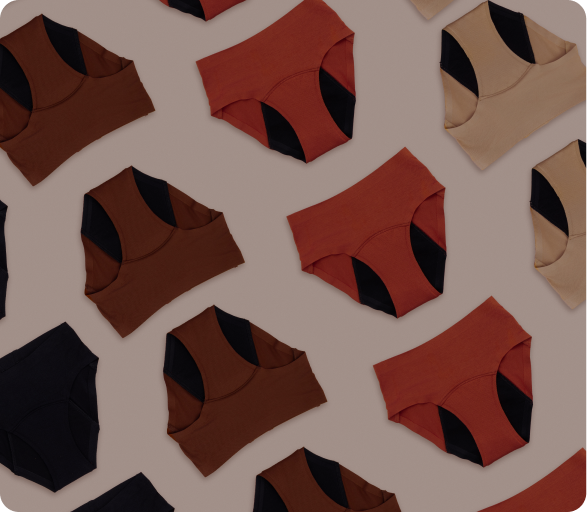
For occasional light leaks, Mahina’s Daily Panty Liner Underwear is designed for light absorbency, including mild urinary incontinence. It has a 15 ml capacity and can be washed and reused.
The important distinction is that leak-proof underwear manages the urine that escapes; it does not strengthen your pelvic floor or treat incontinence.
If you prefer carrying a spare pair when you are out, Mahina’s Just In Case waterproof pouch can keep fresh or used underwear contained separately inside your bag.
Conclusion
Leaking urine when you sneeze is common, but it is not something you simply have to accept.
Stress urinary incontinence happens when sudden pressure on the bladder exceeds the support keeping the urethra closed. Pregnancy, childbirth, menopause and repeated pressure on the pelvic floor can all contribute.
Consistent pelvic floor muscle training helps many women, and a pelvic floor physiotherapist can make sure you are exercising the right muscles. In the meantime, absorbent underwear can make occasional leaks easier to manage without replacing treatment.


Sources
- MAYO CLINIC: Stress incontinence, symptoms and causes
- ACOG: Urinary Incontinence
- NIH: Definition & Facts for Bladder Control Problems (Urinary Incontinence)
- NIH: Symptoms & Causes of Bladder Control Problems (Urinary Incontinence)
- ACOG: Urinary Incontinence
- ACOG: Pelvic Support Problems
- NICE: Urinary incontinence and pelvic organ prolapse in women: management
- ACOG: Surgery for Stress Urinary Incontinence
About the Author