

Most women are taught what a period should look like, often through diagrams, timelines, or a brief conversation that focuses on bleeding and cramps. What rarely gets discussed is how much variation there can be from month to month. So when you notice something thicker, darker, and unfamiliar during your cycle, it can stop you in your tracks. A period blood clot has a way of doing that, even if you have been menstruating for years.
For some women, it sparks mild curiosity. For others, it brings immediate worry. Is this normal for me? Has something changed? Should I be paying closer attention? These are valid questions that deserve clear answers. Some clots are simply part of how the body sheds the uterine lining. Others can be a sign that your cycle is asking for support.
Learning how to tell the difference helps you respond with clarity rather than fear, and it plays an important role in long-term menstrual health.
What A Period Blood Clot Actually Is
A period blood clot forms when menstrual blood mixes with tissue from the uterine lining and the body’s natural clotting proteins. During menstruation, blood and tissue are released together. When the flow is heavier, blood may collect briefly before leaving the body, giving it time to thicken.
As the lining breaks down, it mixes with blood, mucus and small amounts of tissue. This mixture collects briefly in the uterus before being released through the cervix and out of the body. To help this thick material flow smoothly, the body releases natural anticoagulants that thin the blood. Menstrual clots form when bleeding is heavy and rapid, and the body cannot produce anticoagulants quickly enough. This causes some blood and tissue to clot before leaving the uterus.
Clots are most common on heavier flow days, which often happen at the start of a period. This is why clots often appear darker and thicker than regular flow. These clots are deep red and may feel jelly-like or slightly firm. Clots are usually considered normal when:
- They remain small, roughly the size of a 1 Rupee coin or less, and do not increase in size from one cycle to the next.
- They appear mainly on heavier flow days rather than throughout the entire period.
- Your cycle length and overall flow still feel familiar and consistent for your body.
- The discomfort you experience feels similar to what you have felt during previous periods.
Clots are a recognised and natural part of menstrual health, particularly during adolescence and in the years leading up to menopause, when hormone levels tend to fluctuate. In these situations, clots are not a sign that your body is malfunctioning. They are simply one of the ways it adjusts and responds from one cycle to the next. However, disrupted sleep cycle, stress, sudden weight changes, and prolonged physical strain can all affect hormone balance. Over time, these factors may show up as heavier flow, increased clotting, or more intense discomfort during your period.
When Period Blood Clots May Be A Sign To Look Closer
A period blood clot deserves more attention when it becomes a regular feature rather than an occasional one, or when it arrives alongside noticeable changes in bleeding or pain. Passing large clots often, especially those bigger than a 1 Rupee coin, or experiencing very heavy bleeding throughout your period, can suggest that something deeper is influencing your cycle.
Conditions such as fibroids, uterine polyps, adenomyosis, or hormonal imbalance can increase both bleeding and clot formation. Over time, heavy periods with clots may also lead to iron deficiency, which often presents initially as low energy, mental fog, or feeling unusually drained.
Your period is often one of the first places where changes in menstrual health appear. When something feels different for several consecutive cycles, it is worth listening to.
When It’s Time To Speak To A Doctor
Many women are taught to tolerate period discomfort. Heavy bleeding, pain, and exhaustion are often normalised, which can make it hard to recognise when something has shifted.
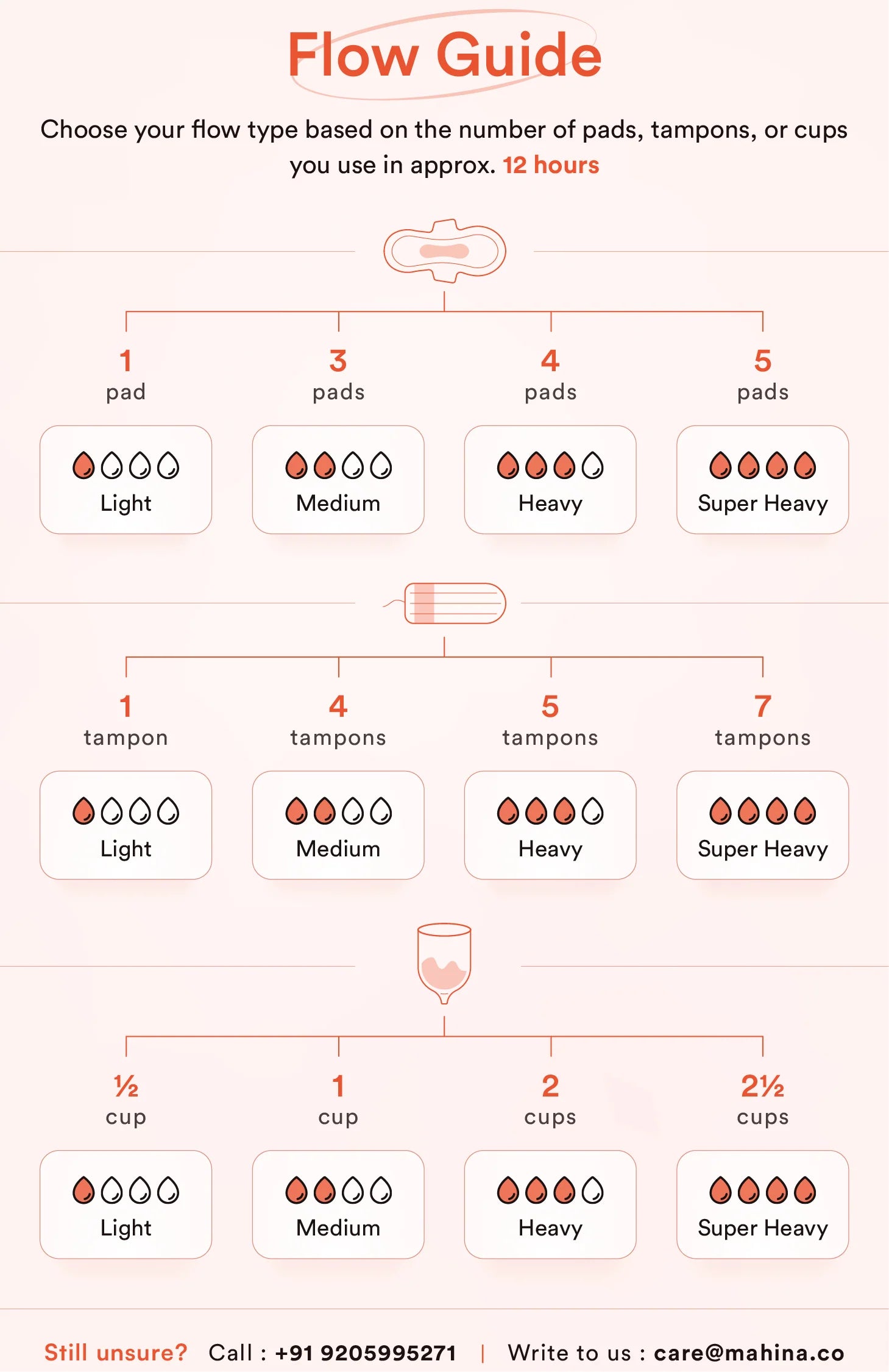
If you are regularly passing clots larger than usual, bleeding beyond seven days, or needing to change pads or tampons every one to two hours, it is worth checking in with a doctor. The same applies if period pain starts to disrupt sleep or daily routines, or if fatigue and breathlessness linger after your period ends.
Seeing a period blood clot can feel uncomfortable, but it does not need to cause alarm. Your cycle reflects how your body is responding to stress, nourishment, rest, and change. Periods are not meant to be endured without understanding. When you listen with curiosity instead of judgement, you support your menstrual health in a way that is informed, steady, and compassionate.


Sources
- Healthline: What causes menstrual clots and are my clots normal?
- Flo: Period blood clots: what they look like and when to see a doctor
- Medical News Today: Are blood clots normal during a period?
- Stop The Period Pain: What do large blood clots during period mean?
About The Author