

Noticing a light period can take you by surprise. One month, everything feels familiar and steady, and the next you’re looking at your flow and asking yourself, “Why is my period so much lighter than usual?” It’s a small change, but it can make you pause and wonder if your hormones are shifting or if your body is trying to tell you something you haven’t had the chance to notice yet.
What many women don’t realise is that menstrual flow is one of the most sensitive indicators of your overall health. It responds to stress, sleep, nutrition, medications, and any hormonal changes you may be going through. A light flow period is not always a sign of a problem, but it is a sign worth understanding.
This guide takes you through what lighter bleeding really means, when it needs attention, and how to support yourself when you notice changes.
What A Light Period Looks Like
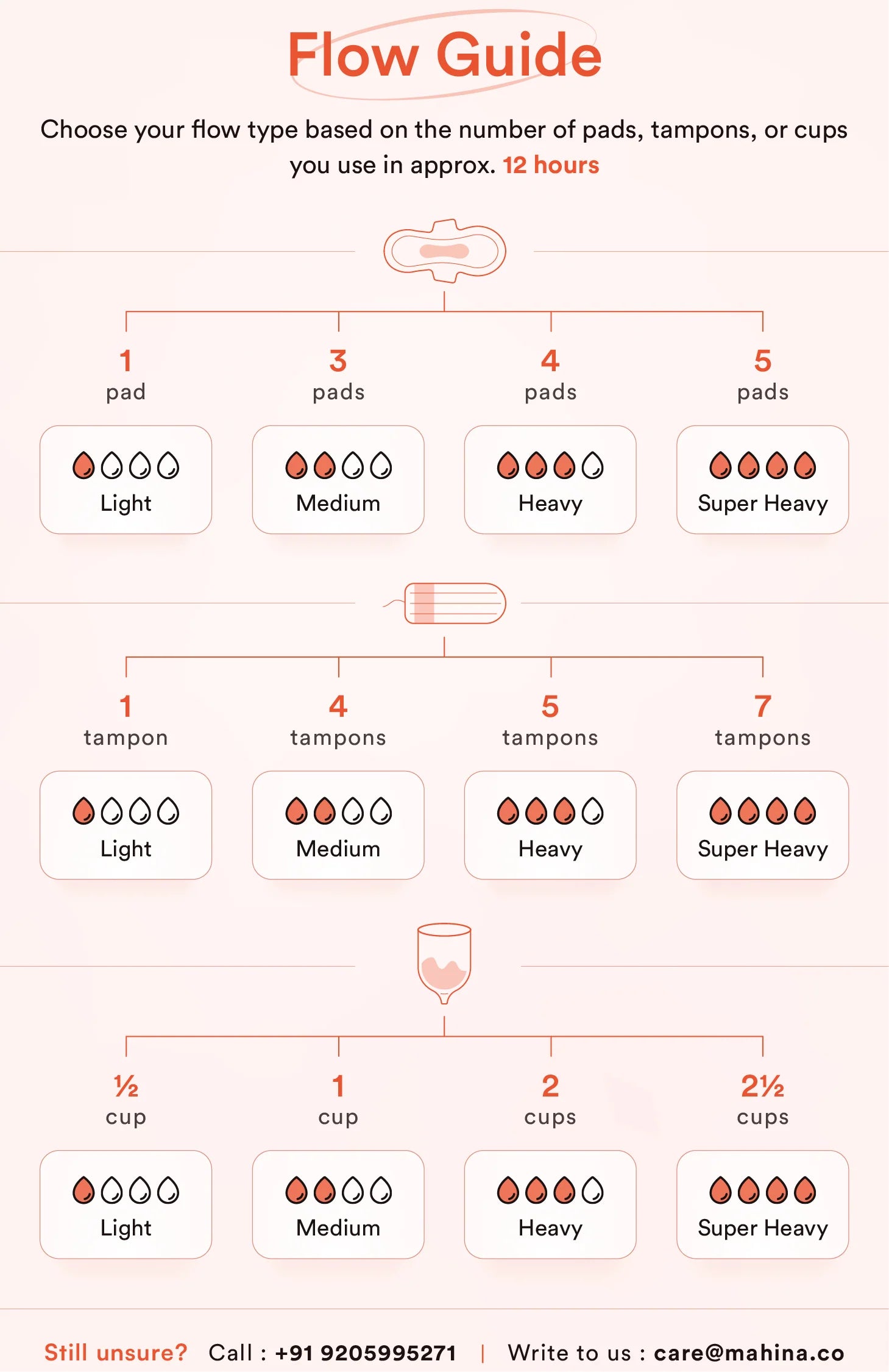
A light period usually means your uterine lining did not build up as much as it normally does, which can make your flow lighter, shorter, spottier or even pink instead of red. For some women, this happens once in a while and settles on its own. For others, it becomes a pattern worth understanding. A lighter flow can be influenced by many factors. Here are the most common light period causes.
1. Hormonal Fluctuations
Your menstrual cycle depends on a steady balance of oestrogen and progesterone. Even subtle dips can affect how much the uterine lining builds up. Lighter bleeding may occur when oestrogen is slightly lower than usual, which can happen due to:
- Stress
- Irregular or poor-quality sleep
- Sudden changes in routine
- Travel
- Illness
- Certain medications
2. Hormonal Contraceptives
If you’re using the pill, patch, ring, implant, or a hormonal IUD, a light menses is extremely common. These contraceptives thin the uterine lining, naturally reducing menstrual flow, and for some women, bleeding may stop altogether. This is usually expected, but a sudden change in your pattern should be discussed with a gynaecologist.
3. Stress And Lifestyle Patterns
Your stress response directly affects your reproductive hormones. When cortisol stays high for long periods, ovulation may be disrupted, leading to lighter or irregular bleeding. Intensive exercise, sudden weight loss, or restrictive dieting can cause similar changes.
4. Thyroid Imbalances
The thyroid regulates many processes in the body, including your menstrual rhythm. Both hyperthyroidism and hypothyroidism can lead to lighter bleeding, alongside symptoms like fatigue, sensitivity to heat or cold, and unexpected weight shifts. If these signs occur together with a light period, thyroid testing can be helpful.
5. Perimenopause
If you’re in your late 30s or 40s, lighter periods can be one of the earliest signs of perimenopause. Hormone levels fluctuate more noticeably during this time, which may make cycles shorter, lighter, or more unpredictable. Occasional light months are normal, but if it becomes consistent, cycle tracking is useful.
6. Other Medical Conditions
A persistently light flow period can sometimes be linked to underlying conditions such as:
- PCOS
- Eating disorders
- Very low body weight
- Chronic illness
- Structural changes in the uterus
These are less common causes, but a healthcare professional should always assess ongoing changes.
7. Pregnancy
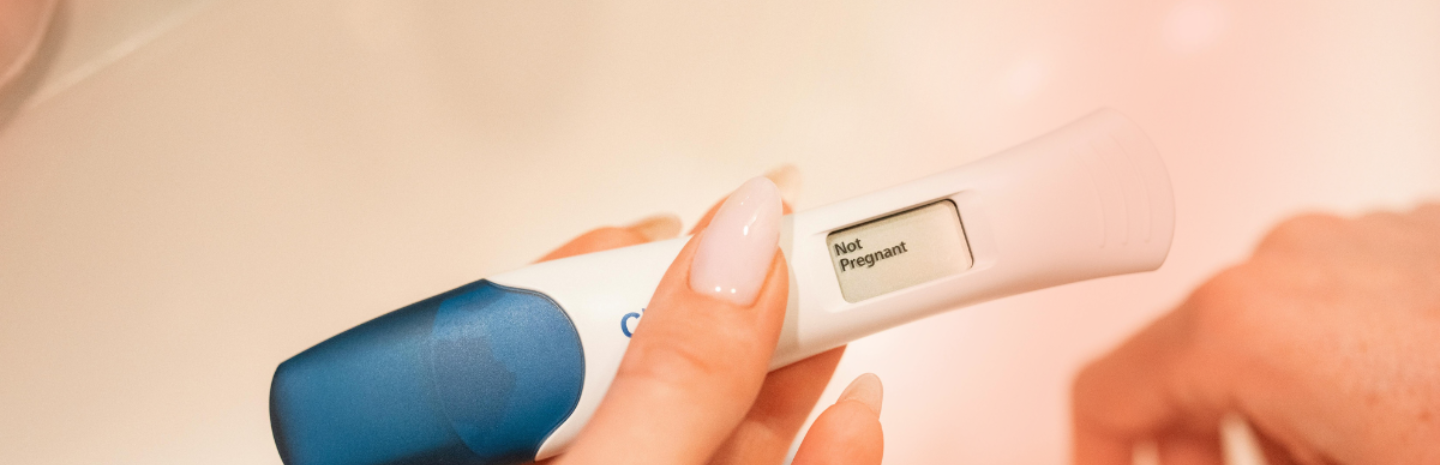
It’s completely natural to pause and think, “Am I pregnant if my period is light?” when your flow feels different. Sometimes, early pregnancy does come with a small amount of bleeding: usually very light, occasionally pink or brown, and much shorter than what you’d expect from a normal period. But pregnancy is only one possibility. If you’re sexually active and the timing makes you wonder, taking a test can give you clarity quickly. It’s a simple way to check in with your body and give yourself peace of mind.
When To Speak To A Doctor
A single light period rarely needs medical attention. But if the change continues for several cycles, or is accompanied by other symptoms, it’s worth speaking to your healthcare professional. You should speak to a doctor if light bleeding comes with:
- Pelvic pain
- Unusual discharge
- Severe fatigue
- Unexplained weight loss
- Very irregular cycles
- Missing periods for two or more months
Supporting Your Body When Your Period Feels Lighter
Your cycle often reflects how you eat, rest and manage stress. When your period feels lighter, small lifestyle adjustments can help your hormones find steadiness again.
- Eat nourishing meals: Include healthy fats, leafy greens, iron-rich foods, nuts, seeds and enough protein to support hormonal balance.
- Prioritise good sleep: Consistent, good quality sleep supports healthy hormonal regulation.
- Manage stress: Slow walks outdoors, journaling, therapy or light movement can help regulate cortisol.
- Track your cycle: Knowing your patterns helps you recognise what is normal for you.
These habits will not change your flow overnight, but they support long-term hormonal stability.
Staying Connected With Your Hormonal Health
A light period doesn’t always signal a problem. It can be your body adjusting to a new phase of life, responding to stress, or adapting to hormonal changes. What matters most is recognising the difference between occasional variation and a pattern that feels unusual for you. When something feels consistently different, speaking to a doctor can offer clarity and reassurance. The more you understand your cycle, the easier it becomes to recognise what your body needs and respond with care rather than worry.


Sources
- Medical News Today: Why is my period so light?
- Healthline: Should you be worried if your period is light?
- Flo: Light periods: all the reasons you could be bleeding less than normal this month
- NHS: Starting your periods
About The Author