

When a girl gets her first period, it marks the start of a new phase, even if it does not always feel like a big moment right away. For many, it happens in the early teenage years. But sometimes it shows up earlier than expected, and that is usually when the questions begin.
It is easy to wonder if something is wrong, but the timing of the first period can often vary. Some girls get it as early as eight or nine, while others start later in their teens. In most cases, an early period is simply how the body develops.
Having a clearer sense of what falls within a normal range, and when it might be worth paying closer attention, can make this phase feel a lot less worrying.
What Is Considered An Early First Period?
Most people get their first period between the ages of 12 and 13, though this can vary from person to person. Menarche before age 12 is usually considered early, while getting your period after age 15 is generally seen as late.
Both early and late menarche can point to different health concerns. Early menarche has been linked to a higher likelihood of early sexual activity, adolescent pregnancy, PCOS, certain reproductive cancers, obesity, and mental health concerns. When menstruation begins before age eight, doctors usually refer to it as precocious puberty, which means the body has started puberty earlier than expected.
Late menarche, on the other hand, can sometimes reflect undernutrition, slower growth, or an underlying chronic condition.
Why Might Periods Start Earlier?
There is rarely just one reason why a first period begins early. More often, it is the result of several factors working together.
- Family history: Genetics is one of the strongest influences on when puberty begins. Many girls get their first period around the same age as their mother or older sisters because the hormonal patterns that control when the menstrual cycle starts are often inherited. If that timing runs early in a family, it tends to repeat.
- Body development: Earlier puberty is more common in girls whose bodies develop sooner. Fat tissue plays an active role here by producing a hormone called leptin, which signals to the brain that the body has enough energy to support reproduction. Higher body fat means more leptin, which can trigger puberty earlier.
- Nutrition and general health: Diet also has a direct impact on hormones. Diets high in animal fats and processed foods can raise insulin levels and speed up fat accumulation. Both of these influence hormone activity and can signal to the body that it’s ready to begin developing earlier than expected.
- Environmental factors: Sleep, activity levels, and exposure to certain chemicals in plastics, personal care products, and pesticides can all influence how hormones function. Some of these chemicals can mimic or block natural hormones, which may trigger earlier development. Ongoing stress and poor sleep can also raise cortisol levels, which, over time, can disrupt the signals that regulate puberty.
None of these automatically signals a problem. They simply show how differently bodies can develop.
Signs That A First Period May Be Approaching
The first period rarely arrives without warning. In most cases, the body shows several signs that puberty is progressing.
Common signs include:
- Breast development begins one to two years before menstruation starts.
- Body hair growth in the underarms or pubic area.
- A noticeable growth spurt.
- Vaginal discharge appears months before the first period.
Recognising these changes can help families prepare and reduce anxiety when menstruation eventually begins.
Supporting Girls Through Their First Period
When a first period arrives earlier than expected, how you handle it can make a big difference. Without much context, it can feel confusing or even embarrassing. Talking openly about the changes she is noticing, and gently reassuring her that this is a normal part of growing up, can make the whole experience feel a lot less overwhelming.
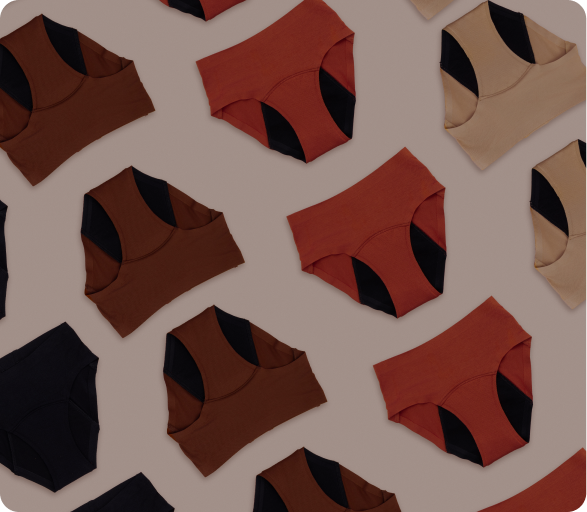
Practical support matters too. Many parents introduce a period panty for girls because it is easy to use and does not require much adjustment. For someone new to periods, using a period product can cause a lot of stress, so keeping it simple, like opting for a period panty for beginners, can feel more straightforward than pads or tampons, since it looks and feels just like regular underwear while still offering period protection.
Mahina’s period panties for beginners are designed to support this phase with:
- Full coverage for better protection throughout the day.
- A comfortable hipster fit that feels familiar.
- Soft cotton fabric that is gentle on the skin.
- Teen-friendly sizes and prints so they don’t have to adjust.
- Up to 12 hours of absorbency for long school days.
Together, these details can help teens feel more supported and reduce the stress of figuring things out all at once.
When Should You Speak With A Doctor?
Although early menstruation is often normal, there are situations where it may be helpful to seek medical advice.
- You may want to speak with a doctor l if:
- A first period occurs before age eight.
- Puberty signs appear very suddenly or progress unusually quickly.
- Periods are unusually heavy or accompanied by extreme pain.
- There are other concerning health changes.
A doctor can help determine whether the body is simply developing earlier or if another factor may be involved.
Helping Girls Feel Confident About Their First Period
A first period can feel unfamiliar, especially when it starts earlier than expected. What usually helps is not overcomplicating it. Just sitting down, talking it through in a normal way, and answering questions as they come up can make it feel a lot less intimidating. And having something simple like a period panty for girls or a period panty for beginners means she does not have to figure everything out all at once, which can be a relief.
Over time, as it becomes part of her routine, it stops feeling like something new and starts to feel like something she understands and can handle.
To Sum It Up
A first period can begin earlier or later than expected, and in many cases, that timing is simply part of normal development. Most girls get their first period between 12 and 13, but some may start as early as 8 or 9. Factors such as genetics, body development, nutrition, sleep, stress, and environmental influences can all affect when menstruation begins. Common signs that a first period may be approaching include breast development, body hair growth, a growth spurt, and vaginal discharge. If a period starts before age 8, or if puberty seems to progress very quickly, it is worth speaking with a doctor. What helps most is calm, open support and keeping things simple. A period panty for girls or a period panty for beginners can make the transition feel less overwhelming by offering easy, familiar protection during this new phase.

Sources
- PLOS: Understanding age at menarche: environmental and demographic influences over a quarter century in India
- Cleveland Clinic: Menarche
- Cleveland Clinic: Precocious Puberty/Early Puberty
- Scientific Reports: Secular trend in age at menarche among indian women
- National Library Of Medicine: Genetics of Pubertal Timing
- National Library Of Medicine: Link between body fat and the timing of puberty
- National Library Of Medicine: High-fat diet may increase the risk of insulin resistance by inducing dysbiosis
- National Library Of Medicine: Impact of chemicals on the age of menarche: a literature review
- Healthline: Early age of first period linked to obesity, poor diet, and other factors
About The Author