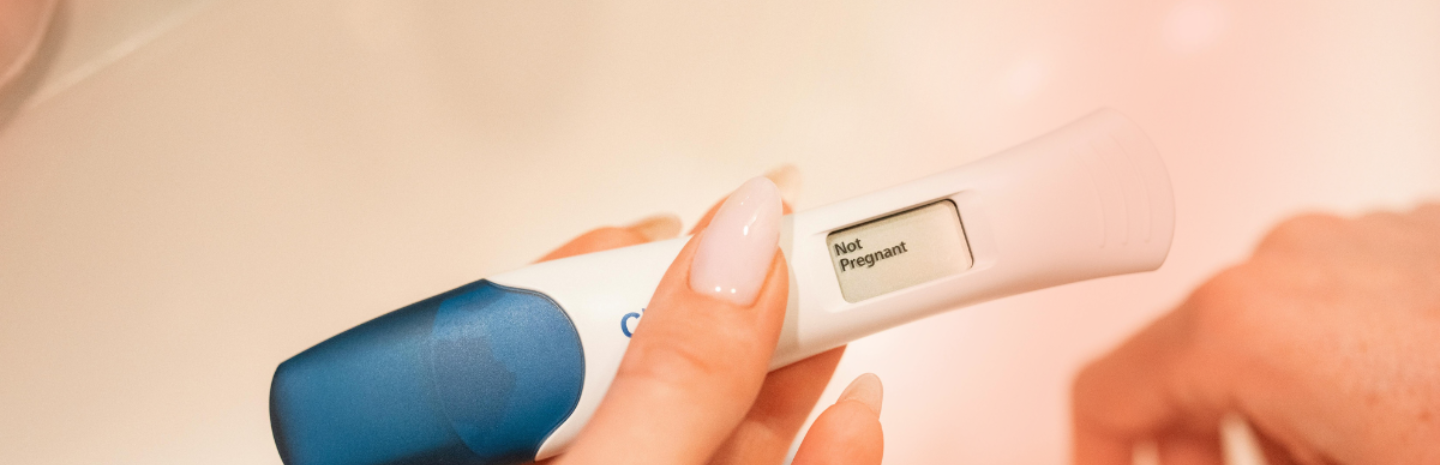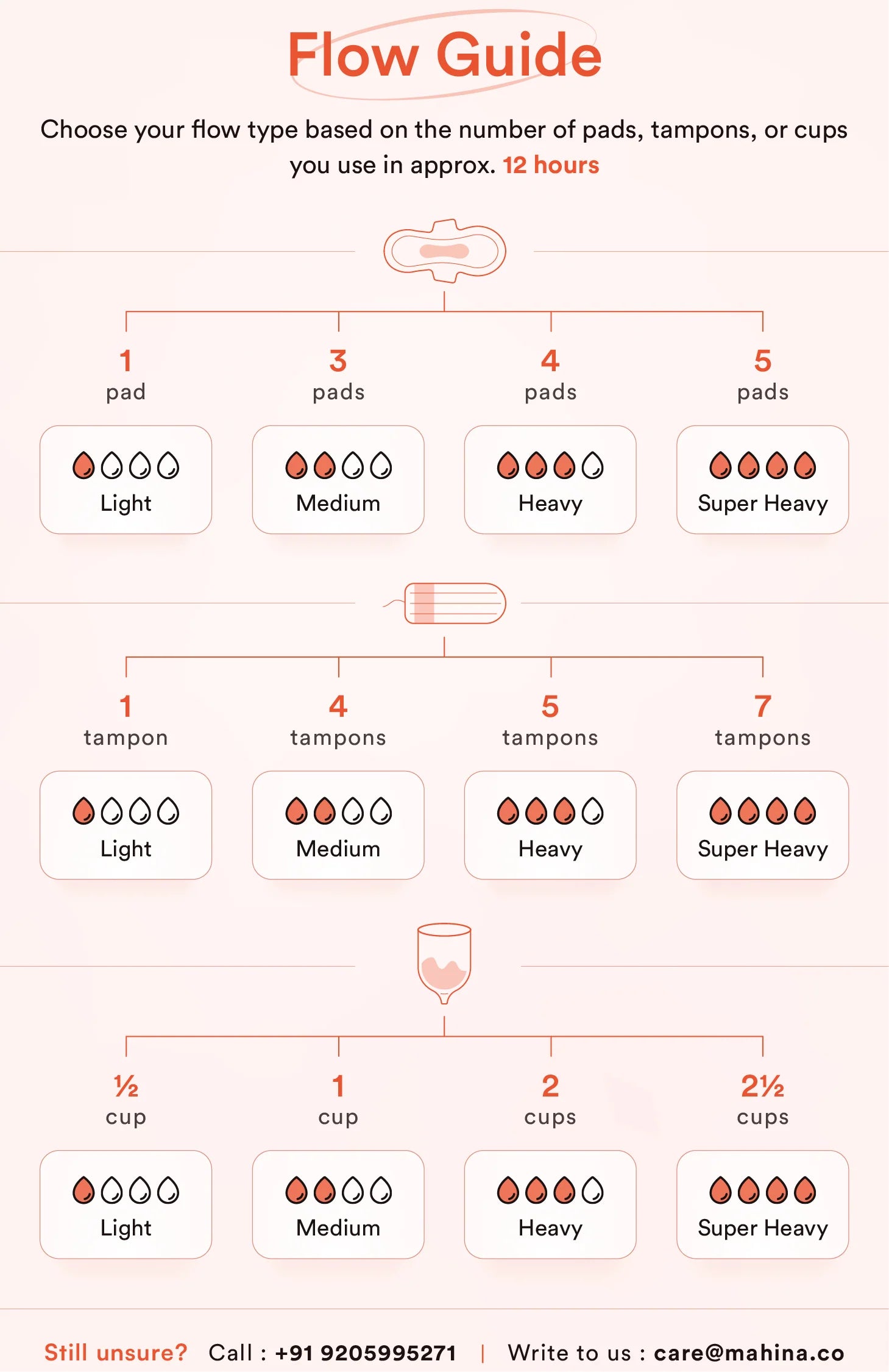


A lighter or slower period flow can raise a lot of questions, especially when your cycle is usually predictable. Heavy periods usually get most of the attention, but a flow that feels delayed, inconsistent, or noticeably lighter can be just as confusing to navigate.
For most women, this kind of change comes and goes without any clear explanation. While it is usually not something to worry about, that does not make it any less frustrating when it happens.
The goal is not to force a heavier flow. It is to understand what might be behind this change, and support your body so the process happens as smoothly as it should.
What Affects Period Flow?
Period flow is largely controlled by two hormones. Oestrogen builds up the uterine lining throughout the month; progesterone maintains it. When both hormone levels drop toward the end of the cycle, the lining begins to break down, and that is what you experience as your period.
Because your cycle is hormone-driven, even small, everyday changes can influence it. For example:
- Prolonged or heightened stress
- Disrupted sleep or a shift in daily routine
- Significant changes in diet or body weight
- High-intensity physical activity over a sustained period
- Hormonal contraception
This is why your flow can feel different from one month to the next, without any single obvious cause.
Gentle Ways To Support Better Blood Flow During Periods
Stay Active
Gentle movement can support circulation in the body, including blood flow during periods. It also helps loosen the muscles around the pelvis, which can ease discomfort and encourage a smoother flow.
You don’t need anything intense. Simple movement is enough, like:
- Go for a 15–20 minute walk once or twice a day.
- Try 5–10 minutes of light stretching in the morning or before bed.
- Do a short yoga routine focused on your hips and lower back, like child’s pose, chair pose, static squat, and some gentle belly breathing.
Keep Yourself Hydrated
Your blood volume and circulation stay more stable when you’re properly hydrated, which can directly influence how your period feels. Even mild dehydration can make fatigue and that sluggish feeling during your cycle worse than they need to be.
To stay better hydrated, you can:
- Aim to drink 6–8 glasses of water daily.
- Try drinking 1–2 cups of herbal teas (like ginger and cinnamon) to help improve blood circulation.
Eat Balanced Meals
What you eat plays a key role in keeping your hormone levels balanced, and that can show up in your period flow as well. During each cycle, your body loses a small amount of blood, and with it, about 2 mg of iron each day. Eating balanced meals can help restore those levels and keep your energy steadier.
Here are a few simple food options you can try:
- Add one iron-rich food to at least one meal each day, like lentils, spinach, or beetroot.
- Pair it with vitamin C (like lemon, oranges, or tomatoes) to help absorption.
- Include simple, whole foods in most meals instead of heavily processed options.
Manage Stress Levels
Stress affects more than just your mood. Elevated cortisol, the hormone your body releases under stress, can interfere with oestrogen and progesterone and, over time, impact both your cycle and your flow.
To help bring your stress levels down, you can:
- Take 5–10 minutes a day to pause, breathe, or sit quietly without distractions.
- Try a mindfulness practice (like journaling or meditating) that works for you.
Staying Comfortable During Your Period
While you’re trying to support your period flow, comfort matters just as much. Lighter or inconsistent flow can feel a bit unpredictable, especially when you’re not sure how it might change through the day.
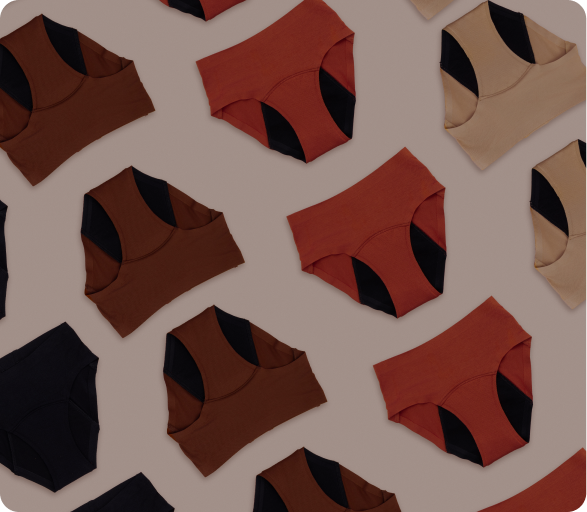
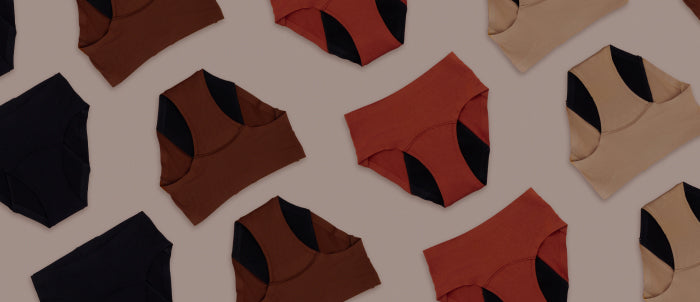
This is where practical options can really help. Period proof underwear can make lighter days much easier to manage. Mahina’s period underwear offers period protection in varying absorbency levels. So, they still feel like regular underwear, but since the product has built-in period protection, you don’t have to keep thinking about when to change or restock disposable solutions.
When Should You Speak To A Doctor?
A lighter period flow is usually nothing to worry about. But if you notice these changes that continue for a few cycles, it’s worth paying attention to.
- Periods that become very light or stop completely over a few cycles
- Cycles that stay irregular for more than two or three months
- Other symptoms showing up along with the change in flow
These changes don’t always mean something serious, but understanding what’s causing them is far more helpful than guessing.
Managing Your Cycle Better
Your cycle isn’t fixed. It shifts with you. Some months feel a little different, and that’s often just your body responding to everyday life.
Rather than trying to control your flow, it usually helps to pay more attention to it. With time, you start to get a feel for your own cycle. What’s normal, what’s not, what changes slightly month to month. Doing small things to support your body and using options that make things easier, like period proof underwear, can really take the pressure off.
To Sum It Up
A lighter or slower period flow can feel confusing, especially if your cycle is usually predictable. In many cases, it is not something serious, but it can still be frustrating when your flow feels delayed, inconsistent, or noticeably lighter than usual. Period flow is mainly influenced by oestrogen and progesterone, so even small changes in stress, sleep, diet, body weight, exercise, or hormonal contraception can affect it. Supporting your body gently can help, including staying active, drinking enough water, eating balanced meals with iron-rich foods, and managing stress levels. The goal is not to force a heavier flow, but to understand what may be influencing your cycle and support it in a steady way. If periods become very light, stop completely, or remain irregular for several cycles, it is worth speaking with a doctor.

Sources
- Medical News Today: Exercise during period: benefits and things to avoid
- Real Simple: The 5 best pelvic floor exercises from a pelvic floor physical therapist
- Healthline: What are the health benefits of ginger tea?
- Cloudnine: How to increase blood flow during periods naturally?
- National Library Of Medicine: Dietary iron
- American Red Cross: Iron-rich foods
- Healthline: Can stress mess up your period?
About The Author