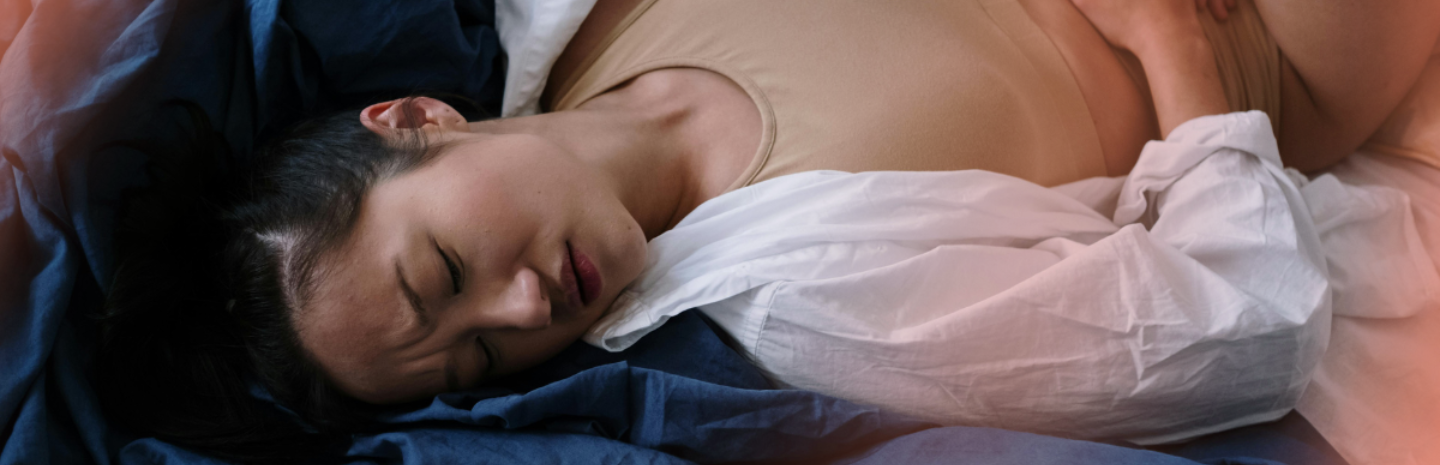


It starts as a slight annoyance, but by the second week, a lingering period can feel like a heavy physical burden. Most of us are taught to expect a neat, seven-day cycle, so when the bleeding continues, it is only natural to feel a sense of unease. This is clinically referred to as prolonged menstruation.
If you have come here looking for answers, it helps to know that while prolonged menstruation can feel exhausting, it is more common than it seems and often has clear underlying reasons. Understanding what might be causing these changes is a good first step toward feeling more in control again and finding ways to support your body.
What Is Considered Prolonged Menstruation?
For most women, a period usually lasts around three to seven days. When it continues longer than that, it is often called prolonged menstruation. If the bleeding is not just longer but also heavier than usual, it may be referred to as menorrhagia.
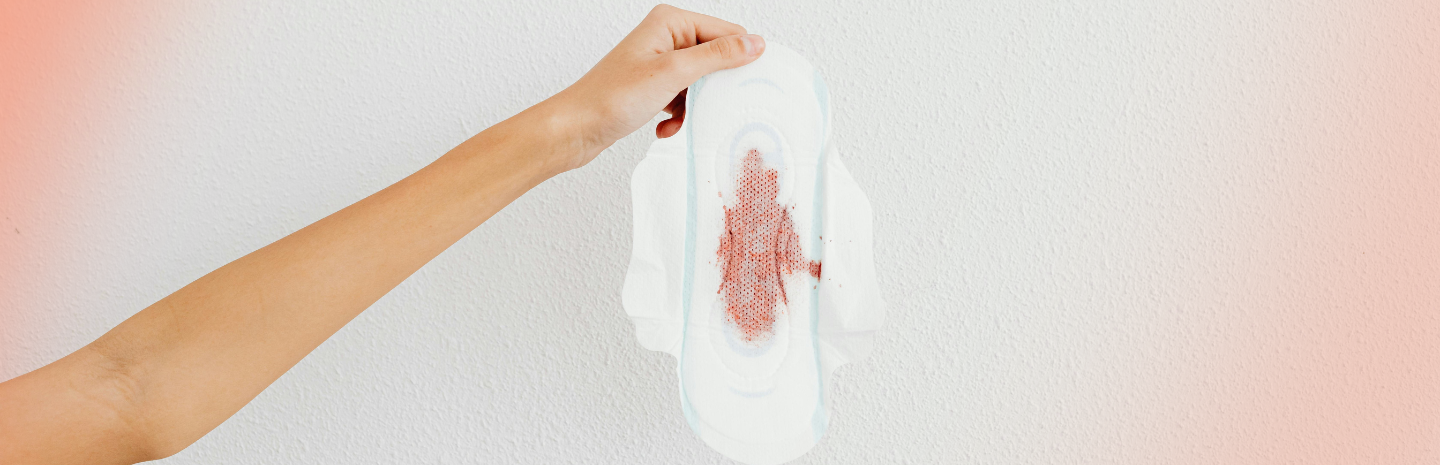
Menorrhagia can look like soaking through a pad or tampon every hour for several consecutive hours, passing clots larger than a 1 Rupee coin, or bleeding that regularly disrupts sleep or daily activities. In some cases, this kind of bleeding may be linked to underlying causes such as hormonal imbalances, fibroids, or polyps.
That said, a longer period does not automatically mean something is wrong. Your cycle can shift for many reasons, including hormonal changes, stress, daily habits, or overall health, so an occasional longer period can occur.
If it starts to become a pattern, though, or the bleeding feels heavier than usual, it's best to speak to a doctor rather than just managing it month to month.
Common Reasons A Period May Last Longer
There are several reasons why bleeding might persist beyond the usual timeframe. Sometimes it is linked to small hormonal shifts, while in other cases, it may be related to an underlying condition. Identifying what's causing prolonged menstruation usually means looking at both lifestyle factors and your overall physical health.
Some of the most common factors include:
- Hormonal Imbalance: The two primary hormones, oestrogen and progesterone, regulate the buildup of the uterine lining. When these hormones are out of balance, the lining may build up excessively, leading to heavier and longer bleeding.
- Uterine Fibroids: These are fairly common non-cancerous growths that often develop in the uterus during the reproductive years. They often expand the uterine lining and also affect how the uterus contracts, causing heavier and longer bleeding.
- Thyroid Dysfunction: The thyroid gland regulates your metabolism and affects hormone production. Thyroid irregularities can often lead to longer periods.
- Uterine Polyps: Small, benign growths in the lining of the uterus can cause irregular or extended bleeding.
In many situations, prolonged menstruation happens because the body is adjusting to a temporary hormonal change.
Signs That Your Period May Need Attention
While an occasional long period is normal, certain signs indicate it is time to seek professional advice. It is important to advocate for your health if your cycle changes significantly.
You should speak with a healthcare professional if:
- Your period keeps lasting longer than seven days, and this starts to feel like a regular pattern.
- The bleeding feels unusually heavy, and you find yourself needing to change pads every hour for several hours.
- You notice blood clots larger than a one-rupee coin or experience persistent fatigue during your cycle.
- You experience bleeding or spotting between your periods.
Spotting these signs doesn't automatically signal a problem, yet it is important to discuss them with your doctor. They can help you understand what might be affecting your cycle and suggest the right treatment.
Managing A Longer Period Comfortably
When your period lasts longer than usual, a few small adjustments can help you stay comfortable and prepared.
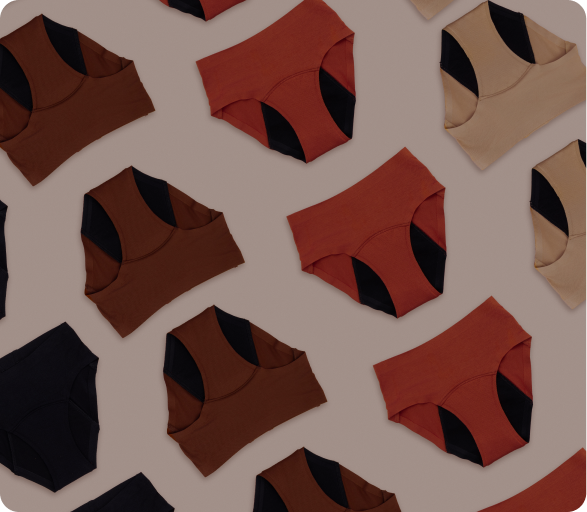
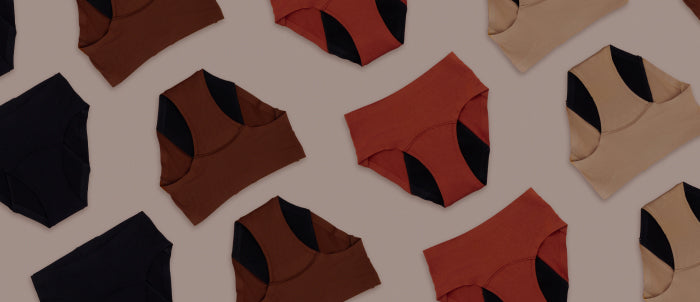
- Opt for reliable protection, such as period panties for heavy flow, which can help you feel more secure during heavier days.
- Switching to a reusable period panty can feel far more practical, especially when your period lasts longer than usual, and constant product changes start to feel exhausting. Mahina’s period panties can absorb up to the equivalent of 5 pads in a single wear and can be worn for up to 12 hours, helping ease some of the hassle that often comes with prolonged menstruation.
- Stay hydrated. Longer periods mean more fluid and blood loss, which can leave you feeling more tired than usual. Dehydration can make that fatigue worse, so try to drink 6–8 glasses of water every day.
- Keep daily movement gentle but regular. A 15–20 minute walk, stretching, or simple yoga poses like a child's pose can improve circulation and help ease cramps without putting extra strain on your body.
- Prioritise sleep and manage stress. Poor sleep and ongoing stress can increase cortisol (the stress hormone). This can disrupt the hormones that regulate your cycle and, over time, may lead to periods that last longer or are heavier.
- Include iron-rich foods in your meals. Prolonged bleeding can lead to more iron loss, which contributes to fatigue. Spinach, lentils, beetroot, and dates are good to include during this time. Pair them with fruits rich in vitamin C, like oranges or tomatoes, since your body absorbs iron much better that way.
- Keep track of your cycle. Notice how long your period lasts, how heavy it feels each day, and anything that seems different from usual. It becomes much easier to spot patterns when you’re consistent with it, and it can be really helpful if you ever need to discuss it with a doctor.
Understanding Changes In Your Cycle
A longer period can feel frustrating, but menstrual cycles aren't always perfectly predictable. If prolonged menstruation becomes frequent or starts affecting your daily life, it is always reasonable to seek medical advice. In the meantime, finding practical ways to stay comfortable, such as choosing the best period panties for heavy flow or a reusable period panty, can make those longer days easier to manage while your body settles back into its usual rhythm.
To Sum It Up
Prolonged menstruation refers to periods that last longer than the usual three to seven days. And if the bleeding is also unusually heavy, to the point where you have to change a pad every hour, it may be referred to as menorrhagia. While an occasional longer period can happen due to temporary hormonal shifts, stress, or changes in overall health, persistent or heavy bleeding may be linked to causes such as hormonal imbalance, fibroids, thyroid dysfunction, or uterine polyps. Signs that may need medical attention include periods that regularly last beyond seven days, very heavy bleeding, large clots, fatigue, or spotting between periods. Managing a longer period comfortably often involves staying hydrated, eating iron-rich foods, getting enough rest, tracking your cycle, and choosing reliable protection. If prolonged menstruation becomes frequent or starts affecting daily life, it is best to speak with a doctor.

Sources
- Cleveland Clinic: Menstrual cycle
- Cleveland Clinic: Menorrhagia (heavy menstrual bleeding)
- NHS: Heavy periods
- Healthline: What causes long periods and when to seek help
- Mayo Clinic: Uterine fibroids
- Johns Hopkins Medicine: Thyroid disorders in women
- Medical News Today: Exercise during period: benefits and things to avoid
- Healthline: Can stress mess up your period?
- American Red Cross: Iron rich foods
About The Author