

For many young girls, the first few years of menstruation can feel confusing. There is plenty of information out there, but very little that feels simple or reassuring. Whether you are a parent trying to guide your daughter, or a teenager trying to understand your own body, what you really need is clarity, not complexity.
That is where the 7-2-1 rule comes in. It is not a strict formula, but a helpful way to understand your cycle better and recognise when something might need attention.
But before that, let’s break down the basics of teen periods in a way that feels simple and easy to understand.
What Does A Normal Teen Period Look Like?
For most teenage girls, a period usually lasts somewhere between 3 and 7 days. In the beginning, it might not feel very predictable, and that is completely normal. Your body is still adjusting, and it can take some time to settle into a rhythm.
A few simple things to keep in mind:
- A typical menstrual cycle (from one period to the next) can range between 21 and 35 days.
- Irregular periods are quite common during the teenage years, especially in the first few years after starting menstruation.
- Over time, your cycle usually becomes more consistent on its own.
It can really help to track your cycle, even in a simple way. Just noting when your period starts and ends gives you a better understanding of what is normal for your body.
That said, there are times when you may notice that your period is lasting longer than expected, or that you need to change your pads more often than usual. At times, it can start to feel harder to manage through the day, especially at school or when you are outside the house.
This does not always mean something is wrong, but it does help to have a simple way, like the 7-2-1 rule, to understand when your flow might need more attention.
So, What Is The 7-2-1 Rule?
The 7-2-1 rule is a simple way to recognise when your period might be heavier than usual. It is not meant to scare you or label your cycle as a problem. It just gives you a clear reference point, especially in those early years when everything still feels a bit unpredictable.
Each number stands for a sign to watch for:
- 7 - Your period lasts longer than 7 days.
- 2 - You need to change a pad or tampon every 2 hours or even sooner.
- 1 - You pass blood clots larger than 1 inch, roughly the size of a 10-rupee coin.
If even one of these happens consistently, it could mean your flow is on the heavier side. And that is your cue to pause and check in, not panic.
In some cases, very heavy menstrual bleeding can point to menorrhagia, which is the medical term for unusually heavy or prolonged periods. Signs such as bleeding for more than 7 days, needing to change a pad every 1 to 2 hours, or passing large clots are all recognised signals that it is worth speaking to a doctor about. It does not automatically mean something is seriously wrong, but if your period regularly goes beyond this rule, it is worth speaking to a doctor. They can help you understand what might be causing it and whether any treatment or support is needed.
How To Talk About The 7-2-1 Rule (For Parents And Teens)
If you are a parent, this conversation does not need to be detailed or serious. It just needs to feel normal.
A few simple ways to approach it:
-
Start with what is typical
Explain that periods usually last a few days, come once a month, and need regular product changes. That basic understanding already helps. -
Keep the rule simple
Something as straightforward as, “If your period lasts more than 7 days, or you are soaking through a pad in about 2 hours, or you notice large clots, just tell me,” is enough. -
Encourage simple tracking
A small note on the phone or an app can help notice patterns over time without much effort. -
Take concerns seriously
If something feels unusual to her, it is worth listening to.
The goal is not to explain everything perfectly. It is to make sure she feels comfortable asking questions when she needs to.
What Are The Best Period Products Available For Teen Girls?
When you first start your period, the options can feel overwhelming. There is no single right answer here. It depends on what feels comfortable and manageable for you.
Here is a simple way to think about your options:
- Sanitary pads: Easy to use and widely available. They are often the starting point, but can feel slightly bulky during long days.
- Tampons: More discreet and allow more movement, but they do require some comfort with insertion.
- Menstrual cups: Reusable and long-lasting, though they come with a learning curve and may not be the first choice for everyone.
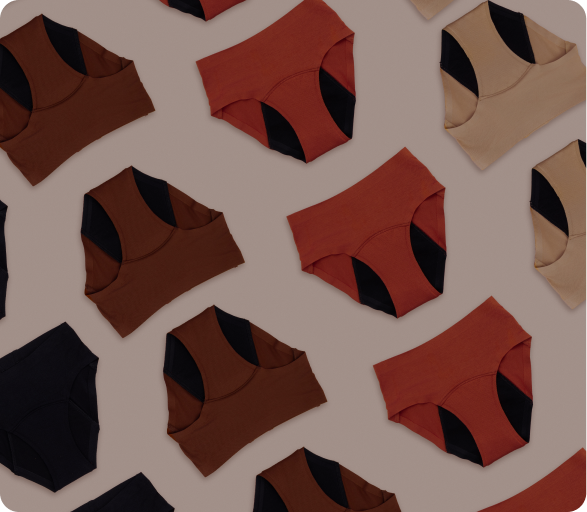
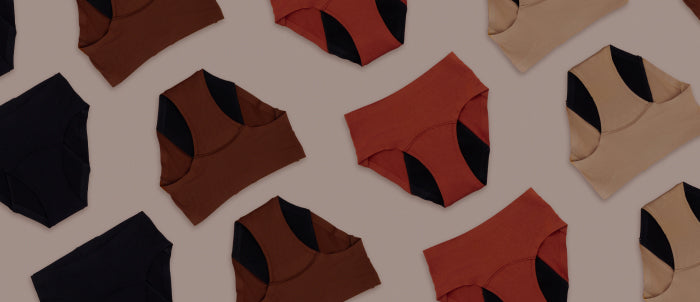
- Teen period panties: Designed to feel like regular underwear, but with built-in absorbency. No shifting, no adjusting, and very low maintenance.
For many teens, comfort and ease matter more than anything else. That is why a teen period panty often becomes the preferred option. It feels simple, and that simplicity makes a difference.
If you are also thinking long-term, a reusable period panty is a practical and more sustainable choice.
How Well Does A Teen Period Panty Work During A Full School Day?
This is something many teens think about once school routines get busy. Long hours, short breaks, layered uniforms, and the awkwardness of asking to leave class can make period care feel like something you have to manage all day.
That is where a teen period panty works differently. It is designed to fit into your routine, not interrupt it. Here is how Mahina’s range of teen period underwear makes that possible:
-
Feels Like Regular Underwear
Mahina’s teen period panties are designed in soft, breathable cotton, so they sit comfortably under uniforms and everyday clothes. When a product does not feel bulky or unfamiliar, you are less aware of it, and that makes it easier to get through the day without constantly thinking about your period. -
Thin But Effective Absorbency
The gusset is designed to stay light while still being able to replace 5 pads in a single wear. This matters because many teens find pads bulky, especially in humid weather or during long school days. You get protection without the heaviness. -
Full Front-To-Back Coverage
Being at school usually involves constant movement. Mahina’s teen period underwear features front-to-back coverage, helping reduce the fear of stains that often makes teens overly cautious. -
Designed To Stay In Place
Unlike pads that can shift or fold, Mahina’s absorbent layers are built into the underwear itself. This means the protection stays aligned with your body, reducing the need to check or adjust during the day. -
Long Wear Time, Up To 12 Hours
One of the biggest stress points for teens is timing product changes around school schedules. Mahina is designed for 12 hours of wear at a time, which helps reduce the need to track time, rush to the washroom, or plan your day around your period. -
Built For Teen Bodies
Fit plays a big role in both comfort and leak protection. Mahina’s teen range runs from XS to L, making it easier to find a size that feels secure without settling for products that aren’t made fro you.
The everyday benefit is simple. You can wear it in the morning, get through your school day, and focus on your classes instead of your period. No carrying products, no worrying about disposal, and no constant mental checklist in the background.
Learning Your Cycle, One Period At A Time
The 7-2-1 rule is not something you need to memorise perfectly. It is simply a way to understand your body a little better and notice when something might need attention. Your cycle will take time to settle. That is part of the process. But once you begin to understand your patterns and find what works for you, it starts to feel less confusing and more manageable.
And sometimes, small changes, like choosing a teen period panty, can make a big difference in how you experience your period each month.
To Sum It Up
The 7-2-1 rule offers a simple way for teens and parents to understand when a period may be heavier than usual. In the early years, cycles can feel irregular and unpredictable, which is completely normal. The rule helps by highlighting three signs to watch for: bleeding that lasts longer than 7 days, needing to change a pad or tampon every 2 hours or sooner, or passing larger clots. These signals are not meant to alarm, but to create awareness and encourage a check-in when patterns feel off. Alongside this, understanding basic cycle patterns and finding a period routine that feels manageable can make a significant difference. When clarity replaces confusion, periods begin to feel less overwhelming and far easier to navigate over time.

Sources
- Foundation For Women & Girls With Blood Disorders: Menstrual cycle
- NHS: Heavy periods
- NHS Inform: Choosing period products
- Healthline: Period underwear: what you should know
- Mahina: How teen period panties change the first period experience
About The Author