

Your daughter’s first period is a moment you’ll both remember, not because it’s dramatic, but because it marks the beginning of a new stage in her life. It’s a time when she may look to you, whether you’re her mother, father, or caregiver, for reassurance and simple answers. While many parents feel prepared, some may feel unsure about how to guide her, especially if they have never experienced periods themselves.
What she needs most during this time is not perfect explanations. She needs a parent who is calm, informed, and comfortable talking about something that is natural and healthy. A little understanding goes a long way in helping her feel safe as she steps into her first menstruation.
A Quick Look At What A First Period Is Like
The first menstruation, also called menarche, is the first time your daughter’s body sheds the uterine lining. It’s a natural sign that her hormones and reproductive system are maturing. Most girls get their first period between the ages of 10 and 15, though both earlier and later can be normal. You can expect:
-
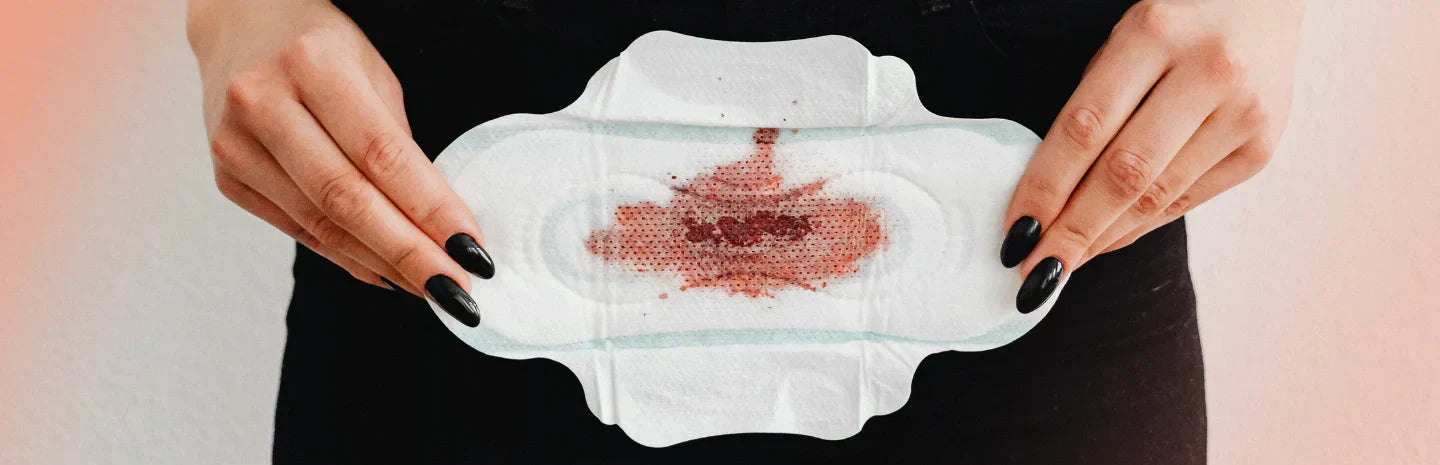
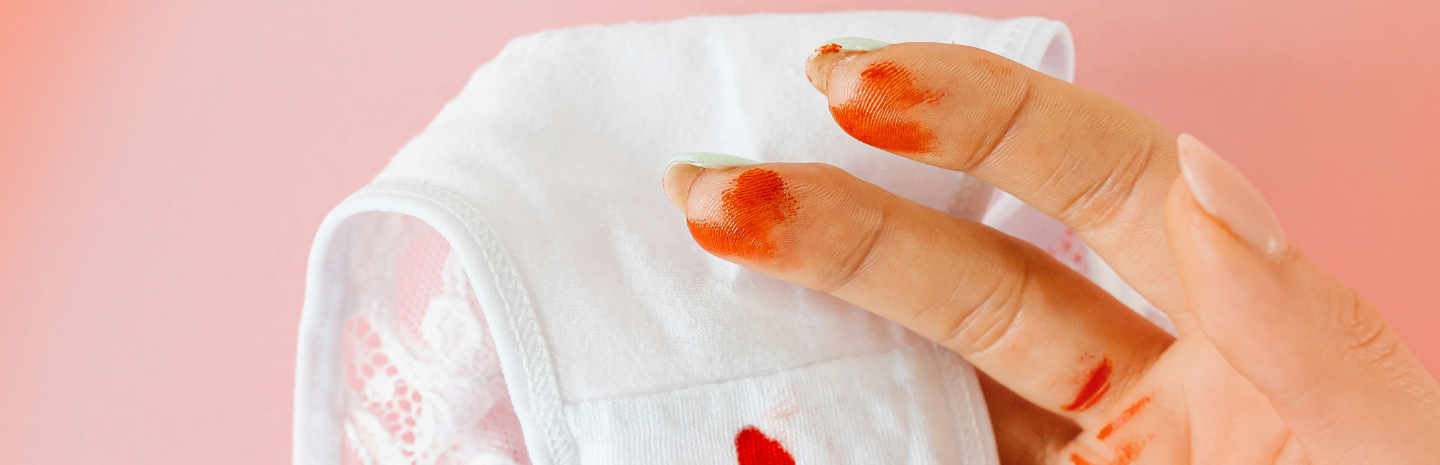
Light bleeding or spotting at first
This may start as a brownish discharge before turning pink or red. It rarely begins with a heavy flow. At first, the duration can vary significantly, lasting anywhere between 2 and 7 days. -
An irregular pattern in the beginning
The first few cycles may come 20 days apart, 40 days apart, or skip a month entirely. Her body is still finding its rhythm. -
Mild cramps or no cramps at all
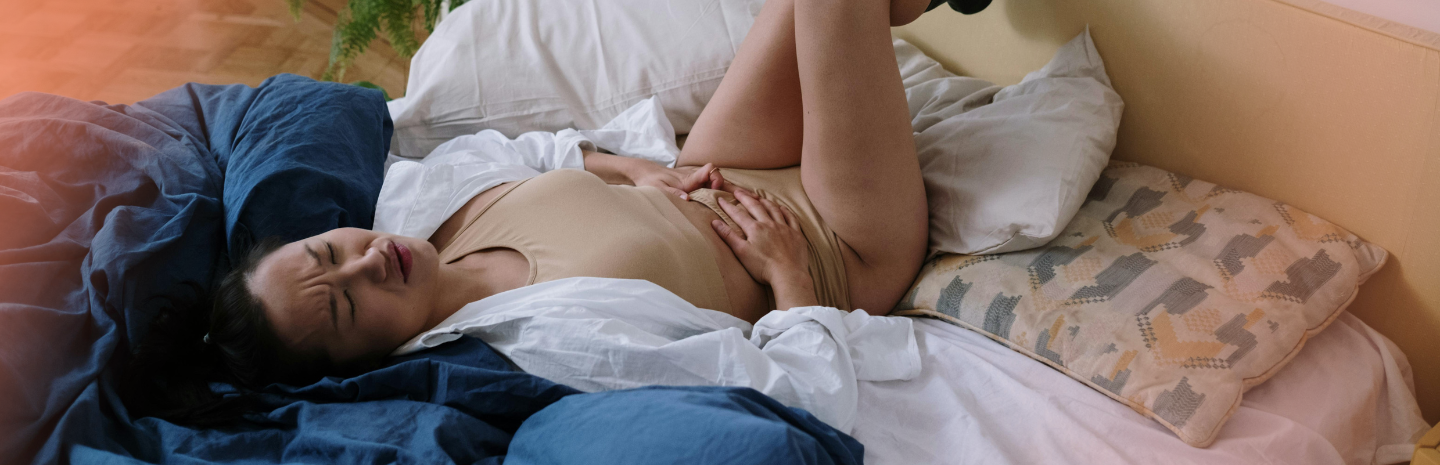
Some girls feel slight discomfort in the lower abdomen or back. Others feel nothing physical.
For many parents reading this, understanding these basics eliminates uncertainty. Supporting your daughter doesn’t necessarily require personal experience or knowing the perfect thing to say; it requires calmness, clarity, and openness. When she senses that you understand the process, even at a basic level, she feels safe approaching you.
Parenting Tips To Support Your Daughter’s First Period
Now that we have the groundwork covered, we can move into what truly helps her feel supported: the practical, everyday ways you can guide her through this transition.
1. Start Conversations Before Her First Period Arrives
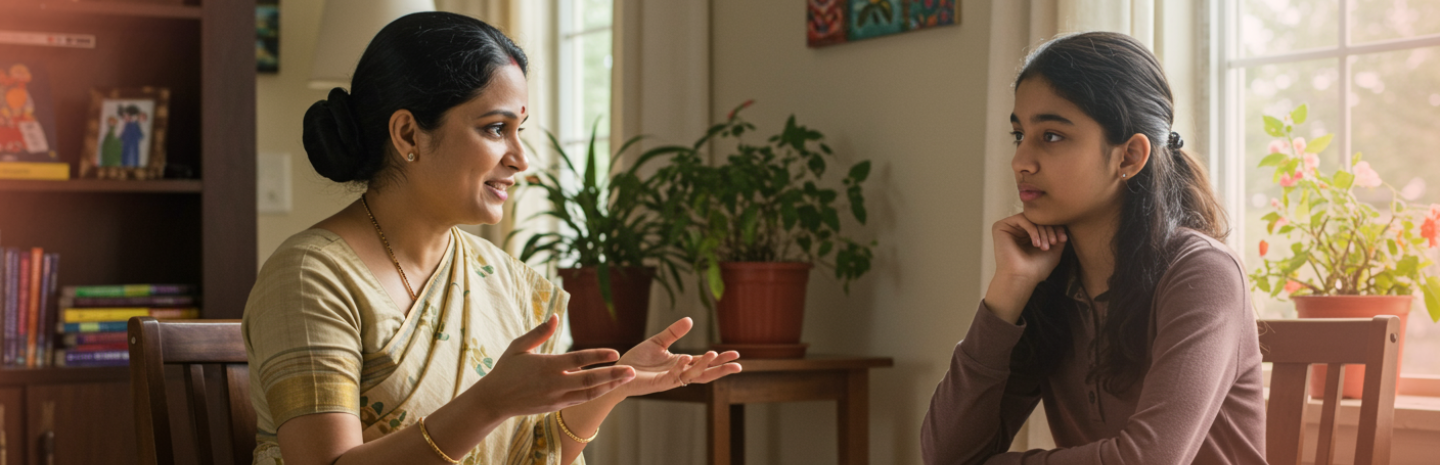
It helps to begin talking about menstruation before her first period arrives, bringing it up naturally during everyday moments so she learns it is normal and okay to discuss. Encourage her to ask questions, but don’t pressurise her, and make sure to reassure her that nothing she asks is silly. You can also try sharing information gradually rather than all at once, so she has space to absorb it without feeling overwhelmed.
2. Pay Attention To Her Emotional Changes Too
Before her flow actually begins, you might notice signs your daughter is about to start her period. Alongside physical first-period signs and symptoms, emotional changes often appear first. She may seem more withdrawn, sensitive, or irritable. It’s essential to respond with patience and understanding. Emotional readiness is as important as practical preparation.
3. Put A Little Period Kit Together With Her
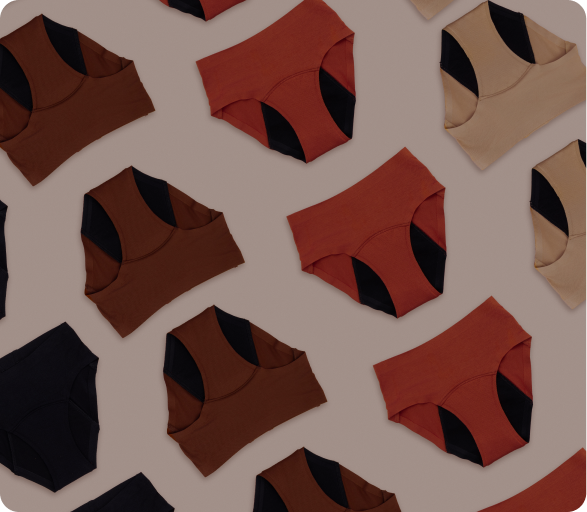
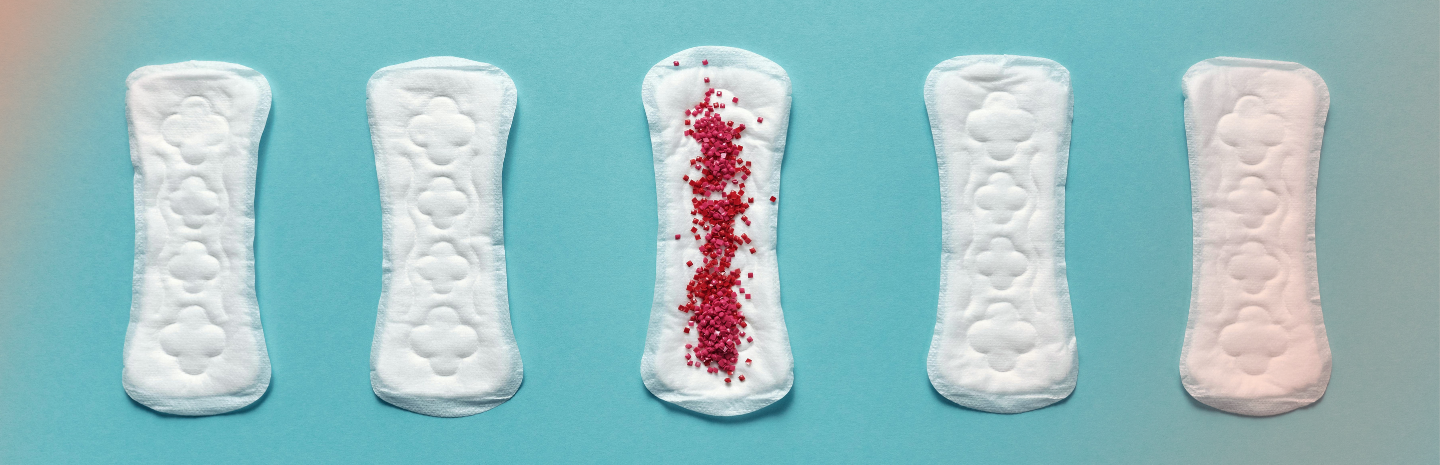
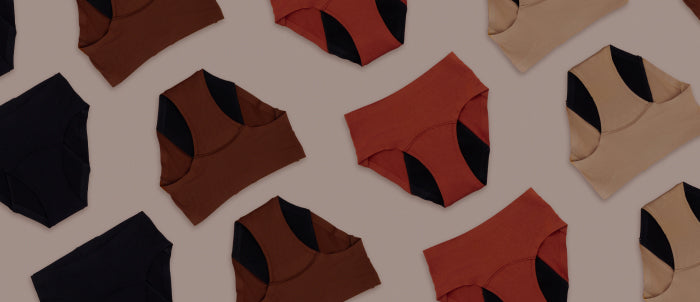
A small kit that fits in her school bag can make her feel a lot more prepared. You can keep it simple: pH-safe wet wipes (external use only), a few pads, spare underwear, sanitiser, and a pair of period panties for beginners if she wants the extra comfort. You can also add in a pain-relief oil/balm and a small bar of chocolate in case she needs extra relief. Let her choose the pouch or the products so it feels like it’s hers. Being part of the process makes the whole idea feel much less intimidating and much more manageable.
4. Demonstrate How Period Products Work
A lot of anxiety comes from not knowing what to do. Show her how pads are use and how often they should be changed. To go with a simpler option, you can opt for period panties for beginners. Its underwear-like design removes stress and discomfort as the absorbent technology is built into the underwear. Regardless of the product, practical guidance will help her feel more confident, especially when she’s away from home.
Unsure which product will make her first period easier to manage? Read our blog Teen Period Panty vs Pads: What’s Easier To Start With? for a clear breakdown of the comfort, safety and learning curve of both options.
5. Treat Her Feelings As Normal, Not Dramatic
Some girls feel embarrassed. Others feel nothing at all. Either reaction is normal. Instead of trying to “fix” her feelings, acknowledge them and continue offering reassurance. Simply knowing you understand her can make her first menstruation far less intimidating.
6. Help Her Plan For School Days
Most girls worry more about being at school during their first period than the period itself. Talk through what to do if she needs to step out of class, where she can keep her kit, and who she can approach if she needs support. When she has a plan, she feels in control. Additionally, you can also switch out her daily underwear with Mahina’s Teen Period Panties. There’s no hassle of layering or inserting products, since the panty has period protection built in, and the 12-hour wear time ensures she’s stress-free and can focus on the day.
7. Stay Patient Through Mood Shifts And Physical Discomfort
Hormonal changes during early cycles may affect her energy and mood. This isn’t misbehaviour, it’s part of the process. Empathy, support, and trying to help her out by offering a space to vent, or taking her mind off things, can make her first period feel far less overwhelming.
As she settles into her early cycles, it is normal for her periods to be irregular, lighter than expected or even brownish in colour. What matters more is knowing when something deserves a closer look. If she has not started her period by 15, bleeds for more than a week, soaks through pads very quickly, experiences severe pain or feels unusually dizzy, it is worth checking in with a doctor.
You do not need to present this as a list of warnings. Instead, stay curious about how she is feeling and encourage her to tell you if anything seems off. This openness helps her feel supported without adding unnecessary worry.
Your Support Shapes How She Experiences This Change
Your daughter’s first period is new for her, and she’ll look for your guidance more than you may realise. She might not fully understand what her body is doing yet, but she will understand your tone, whether you are calm, patient, and willing to listen. That’s what makes the biggest difference.
When you treat this phase as normal and nothing to be embarrassed about, she learns to see it the same way. The conversations you have with her, the way you guide her through the practical bits, and the comfort you offer will matter long after the early cycles settle down.

Sources
- Cleveland: Menarche
- Flo: Menarche: key facts about your daughter’s first period
- WebMD: How to help your daughter be ready for her first period
- UNICEF: How to support your daughter with her first period
- Mahina: Teen period panty vs pads: what’s easier to start with?
About The Author