

Key Takeaways
- Periods can become heavier, lighter, longer, shorter or less predictable during perimenopause.
- Irregular timing can make it useful to keep period protection available even when you are not expecting your period.
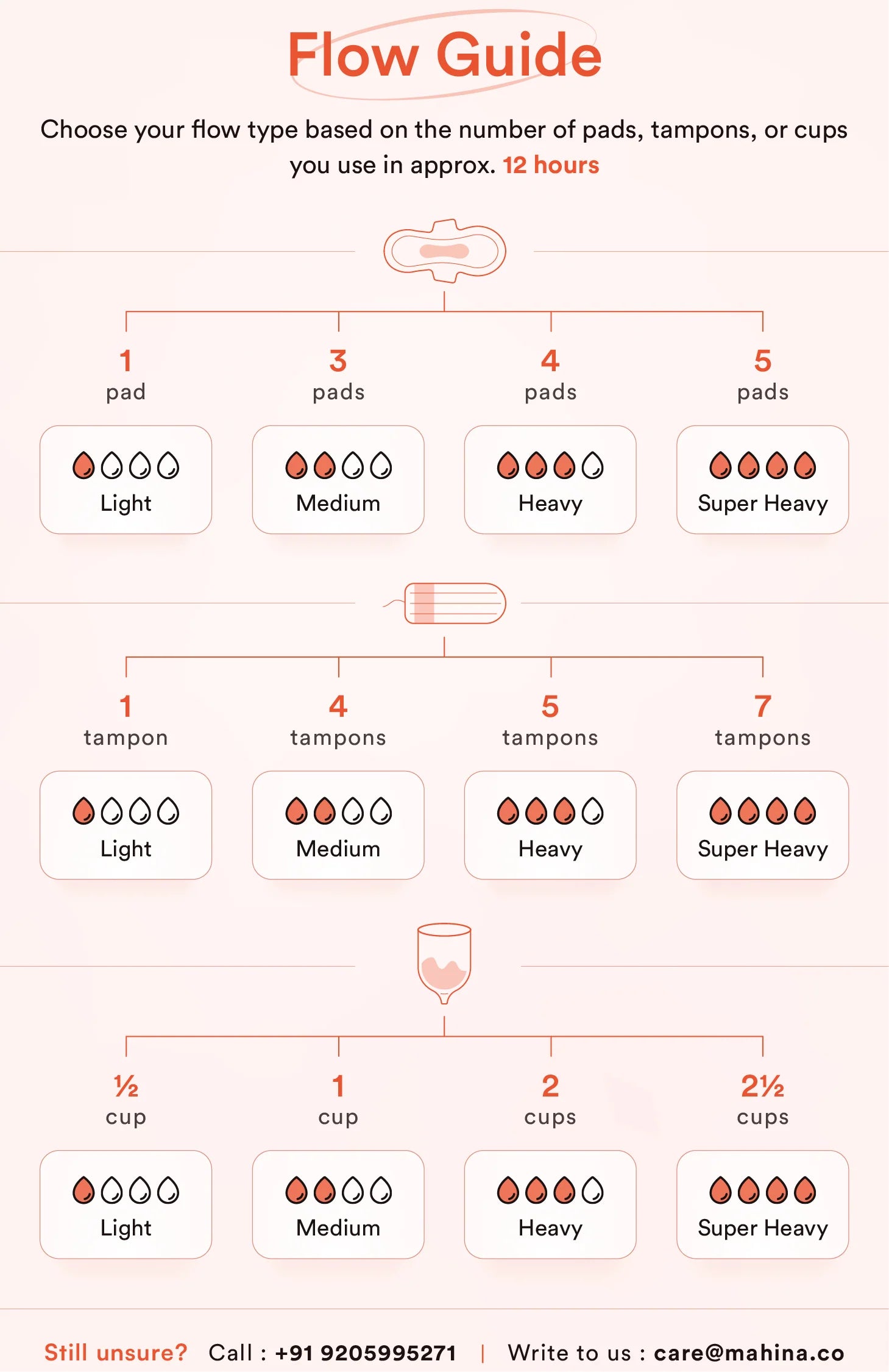
- Choose period protection based on your actual flow, how long you will be away from a washroom and whether you need daytime or overnight coverage.
- Higher absorbency can be useful on heavier days, but the highest-capacity product is not automatically necessary throughout your cycle.
- Period panties, pads, tampons and menstrual cups all have different advantages when flow becomes unpredictable.
- Tracking changes in bleeding can help you recognise patterns and explain them clearly to a healthcare professional.
- Very heavy, prolonged or unusual bleeding should not automatically be dismissed as part of perimenopause.
Perimenopause heavy bleeding can feel particularly difficult to plan for because both the timing and amount of menstrual flow may change. Periods can become heavier or lighter, arrive more or less often, or last for a different number of days during the transition towards menopause. Choosing adaptable period protection can make those less predictable days easier to manage.
The goal is not simply to choose the highest absorbency available. Think about how your flow changes, how much coverage you need and where you will be when the bleeding starts.
Why Can Periods Become Heavy Or Irregular During Perimenopause?
Periods can become heavy or irregular during perimenopause because hormone levels and ovulation become less predictable as the body moves towards menopause.
The US Office on Women's Health explains that you may not ovulate every month during perimenopause. Your periods may therefore become longer or shorter, heavier or lighter, and your cycles may become unusually long, short or occasionally skipped altogether.
The NHS also lists irregular, heavier or lighter periods among the changes that can happen during perimenopause.
This can mean needing different protection from one cycle to the next, or even across different days of the same period.
What Should You Wear For Irregular Periods During Perimenopause?
The most practical protection for irregular periods matches your bleeding without requiring more absorbency than you need.
If your cycle has become unpredictable, your needs may change from day to day:
- For occasional spotting: a panty liner or reusable absorbent underwear may be enough.
- For regular period flow: choose the pad, tampon, cup or period underwear absorbency that normally suits you.
- For unexpectedly heavy days: keep a higher-absorbency option available rather than waiting until your usual protection is overwhelmed.
- For overnight use: consider both capacity and how much front-to-back coverage the product provides.
- For long days away from home: think about how easily you can change your chosen product and carry backups if required.
An irregular cycle does not necessarily mean you need maximum absorbency every day. Match protection to what your body is doing rather than associating the word "perimenopause" with maximum protection.
Which Period Product Works Best For Heavy Perimenopause Flow?
The best period product for heavy flow during perimenopause depends on your bleeding pattern, comfort and how easily you can change during the day.
|
Period product |
Why someone may choose it |
What to consider with unpredictable heavy flow |
|
Pads |
Easy to replace and available in different absorbencies |
You may need more frequent changes on heavier days |
|
Tampons |
Compact and worn internally |
Need to be changed according to the product's usage guidance |
|
Menstrual cups |
Reusable and may suit longer wear for some people |
Require comfortable insertion, removal and emptying |
|
Period panties |
Worn like underwear with absorbency built in |
Changing a pair away from home can require more privacy and storage solutions |
There is no single option that is automatically better during perimenopause. A pad may be convenient when you want something quick to replace, while period underwear may suit someone who prefers built-in protection without adding a separate product.
Some people may also use different products at different points in the same cycle. The useful question is not "Which product is best for perimenopause?" but "Which product works for the flow I am experiencing today?"
How Do You Choose Period Underwear For Heavy Perimenopause Flow?
Choose period underwear for heavy flow by looking at stated capacity, coverage, fit and intended use rather than relying only on labels such as "Heavy" or "Overnight".
Check:
- The stated absorbency or fluid capacity.
- Whether the product is intended for daytime or overnight use.
- How far the absorbent gusset extends towards the front and back.
- Whether the fit keeps the absorbent area securely positioned.
- How easy it will be to change if your flow becomes heavier than expected.
- The washing and drying instructions if you plan to rotate reusable pairs.
If your flow varies significantly, having different absorbency levels can be more practical than expecting one pair to handle every day of your period.
Which Mahina Period Panty Can You Wear For Heavy Flow?
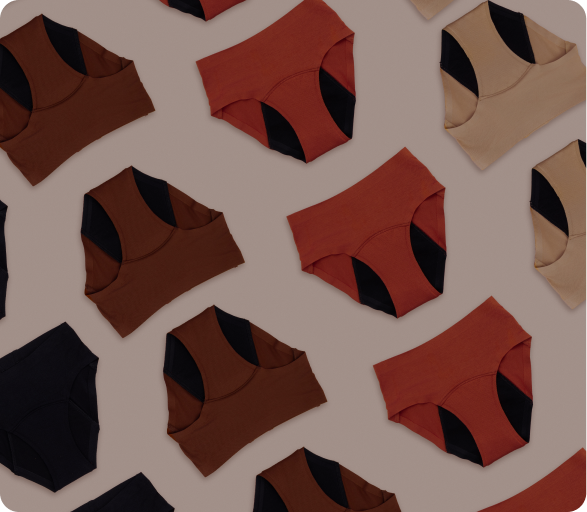
Mahina offers different period panty capacities for heavier daytime and overnight flow, allowing you to choose according to how much protection you need rather than using the same absorbency throughout your cycle.
|
Mahina option |
Capacity |
Intended use |
|
Heavy |
40 ml |
Heavy daytime flow |
|
Super Heavy |
50 ml |
Higher daytime absorbency |
|
DeepSleep |
80 ml |
Heavy overnight flow |
For heavy bleeding, especially during the day, Mahina Heavy Absorbency holds 40 ml, and Super Heavy Absorbency holds 50 ml. Both use an elongated absorbent gusset with front-to-back coverage, which can be useful when your flow is less predictable across a long day.
For overnight use, Mahina DeepSleep Period Panty™ is an overnight period panty that holds 80 ml of menstrual blood and is tested for 150 washes. Its full front-to-back coverage helps you sleep in whichever position is most comfortable, without worrying about leaks or stains.
If you are not sure which absorbency suits your current flow, compare Mahina heavy flow period panties or use the Know Your Flow quiz.
What Should You Carry When Your Period Has Become Unpredictable?
When your cycle becomes irregular, keeping a few practical supplies with you can reduce the need to predict exactly when bleeding will begin.
Consider carrying:
- Your preferred period product.
- A higher-absorbency backup if your flow sometimes becomes heavy quickly.
- Spare underwear.
- A pouch for used reusable products or stained underwear.
- Any period-pain essentials you normally use safely.
- A change of period protection for the journey home if you will be away for several hours.
You do not need to carry every type of menstrual product. Build a small backup around what your own changing pattern has started to look like.
Should You Track Heavy Or Irregular Bleeding During Perimenopause?
Yes. Tracking heavy or irregular bleeding can help you see whether your cycle is developing a new pattern and give a healthcare professional more useful information if you need medical advice.
Record:
- When each period begins and ends.
- Whether bleeding is lighter or heavier than usual.
- How frequently you need to change your period product.
- Whether you bleed between periods or after sex.
- Whether you are passing unusually large clots.
- Any pelvic pain, dizziness, tiredness or other new symptoms.
- Any recent change in hormonal medication or HRT.
You do not need to calculate an exact volume of blood. A simple record of how the bleeding differs from your normal pattern can still be useful.
When Is Heavy Bleeding During Perimenopause A Reason To See A Doctor?
Heavy or unusual bleeding during perimenopause should be discussed with a healthcare professional when it is affecting everyday life, is significantly different from your usual pattern or has other concerning features.
The NHS lists signs of heavy periods including needing to change a pad or tampon every one to two hours, bleeding for longer than seven days, passing clots larger than about 2.5 cm, bleeding through clothing or bedding, and avoiding normal activities because of your period.
Seek medical advice if you notice:
- Very heavy or suddenly heavier bleeding.
- Bleeding that lasts longer than usual, particularly beyond seven days.
- Repeated bleeding between periods.
- Bleeding after sex.
- Bleeding that is interfering with work, sleep or normal daily activities.
- Frequent tiredness, dizziness or shortness of breath alongside heavy bleeding.
- A bleeding pattern that is unusual or concerning for you.
Changing hormones during perimenopause can cause heavier and irregular periods, but other conditions can also cause abnormal bleeding. The Office on Women's Health lists causes including fibroids, endometriosis, ovarian cysts and thyroid conditions, which is why persistent or unusual bleeding should not simply be assumed to be hormonal.
Choose Protection For The Flow You Have Today
Perimenopause can make periods harder to predict, but your period protection does not need to rely on guesswork. Choose according to the flow you are experiencing, the amount of time you will be away from a convenient place to change and whether you need daytime or overnight coverage.
Keep higher-absorbency protection available if heavy days have become part of your changing cycle, but continue paying attention to the bleeding itself. Period products can help you manage irregular heavy flow; they cannot explain why your bleeding pattern has changed.


Sources
- ACOG: Menstruation in girls and adolescents: using the menstrual cycle as a vital sign
- NHS: Starting your periods
- National Institute of Child Health and Human Development: Puberty and precocious puberty
- Mahina: Teen period panty
About The Author