

Key Takeaways
- Postpartum bleeding, called lochia, can continue for around 6 weeks or longer, so your underwear needs may change as the flow becomes lighter.
- After a C-section, choose underwear that does not rub against or put pressure on your incision. Soft, higher-rise styles can be more comfortable than waistbands that sit directly across the scar.
- Prioritise soft, breathable fabrics and a flexible fit while swelling, tenderness and your body shape are still changing.
- Maternity pads or disposable postpartum underwear are useful during the heaviest bleeding. Reusable period underwear can become a practical external option once flow eases, provided its absorbency matches your bleeding.
- Period underwear can also absorb small bladder leaks, which are common after childbirth, although ongoing urine leakage should be discussed with your doctor or pelvic-health physiotherapist.
The best postpartum underwear is soft, absorbent, stretchy and comfortable against a body that is still healing. In the first days after delivery, you may need maternity pads or disposable underwear for heavier bleeding, before moving to regular or reusable absorbent underwear as your flow becomes lighter.
Why Your Underwear Needs to Change After Delivery
After birth, your underwear needs to accommodate heavy bleeding, tenderness, swelling and changes in your body shape.
Postpartum vaginal bleeding is called lochia and happens after both vaginal and C-section births. It can continue for several weeks, gradually becoming lighter.
For more detail on what postpartum bleeding looks like, read this guide: Lochia 101: What Comes After The Baby?
What To Look For In Postpartum Underwear
Absorbency For Lochia
Choose absorbency according to how heavy your postpartum bleeding is at that stage of recovery.
During the first few days, lochia can be heavy enough to require super-absorbent maternity pads or disposable postpartum underwear.
As bleeding becomes lighter, you may be able to switch to less bulky protection, including reusable absorbent underwear if it comfortably handles your flow.
Rise And Waistband Fit
Your waistband should feel secure without pressing on tender areas, stitches or a C-section incision.
After a C-section, avoid underwear that sits directly across the wound. A soft high-rise style that sits above the incision can be more comfortable for some people.
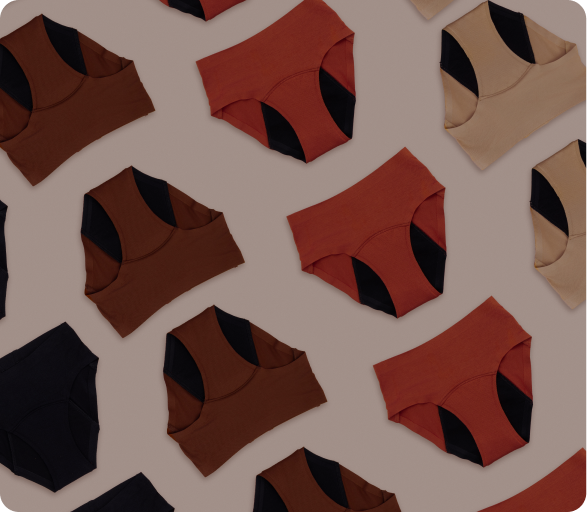
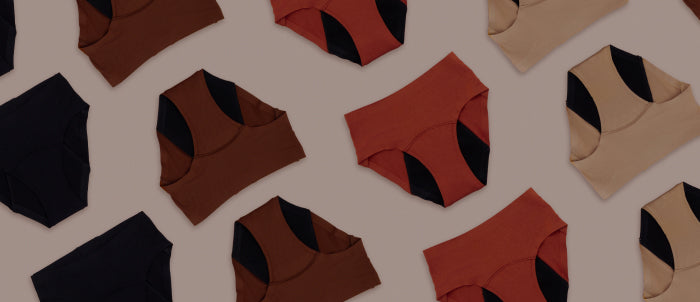
Mahina’s High-Rise Period Panty collection offers fuller waist and tummy coverage for those who prefer a higher fit.
Breathable, Skin-Friendly Fabric
Choose soft fabrics that feel comfortable against sensitive skin and do not feel overly tight or restrictive.
The NHS recommends loose, comfortable clothing and cotton underwear while recovering from a C-section.
Cotton can feel familiar and breathable, while soft modal can offer a smoother, more flexible feel. Whichever you choose, change out of damp or soiled underwear promptly.
Size And Stretch
Postpartum underwear should fit your body now, rather than forcing you back into your pre-pregnancy size.
Your abdomen, hips and pelvic area may remain swollen or tender for several weeks. Choose enough stretch to move and sit comfortably without digging into your waist, perineum or incision.
If you are between sizes, prioritise comfort rather than compression unless your doctor has specifically recommended a supportive garment.
Underwear After A C-Section Vs Vaginal Delivery
The main difference is where you need to avoid pressure and friction.
| After A C-Section | After Vaginal Delivery |
|---|---|
| Avoid waistbands rubbing against the incision | Avoid tight fabric around a sore or healing perineum |
| Higher-rise underwear may feel more comfortable | Soft, stretchy underwear can reduce pressure on stitches |
| Loose cotton underwear is recommended during wound recovery | Allow space for a maternity pad or absorbent gusset |
| Keep the incision clean and dry | Change protection regularly to keep the area clean and dry |
After either type of delivery, comfort and easy changing matter more than returning immediately to your usual underwear.
Can You Wear Period Panties After Delivery?
Period panties can be an option after delivery, particularly once the heaviest postpartum bleeding begins to ease.
Period underwear is worn externally, unlike tampons or menstrual cups. During the earliest and heaviest stage of lochia, however, maternity pads can make it easier to see how much you are bleeding. The NHS recommends pads rather than internal products during postpartum healing.
As flow reduces, reusable period underwear may be useful:
- As backup with a maternity pad.
- On lighter lochia days.
- For spotting as bleeding tapers off.
- When your first postpartum periods return.
- For occasional bladder leaks.
Choose the absorbency according to your actual flow and change the underwear if it feels saturated, wet or uncomfortable.
Urine leakage when coughing, laughing or moving suddenly is common after childbirth. Absorbent underwear can manage the moisture, but it does not treat the underlying pelvic-floor issue. Pelvic-floor exercises and professional support can help if leakage continues.
Postpartum Underwear Options Compared
| Option | Best For | Things To Consider |
|---|---|---|
| Disposable maternity panties | First days and very heavy lochia | Convenient but single-use |
| Maternity pads + underwear | Heavy bleeding and monitoring flow | Bulky, but easy to change and monitor |
| Reusable period underwear | Lighter lochia, spotting, periods and bladder leaks | Needs appropriate absorbency, washing and drying between uses |
Disposable Maternity Panties
These can be convenient during the first few days when bleeding is heavier and frequent changes are needed.
Maternity Pads With Regular Underwear
Large maternity pads make it easier to monitor postpartum blood loss and are widely recommended during early recovery. Choose soft underwear that comfortably holds the pad without pressing against sore areas.
Reusable Period Underwear
As bleeding reduces, period underwear offers built-in absorbency without needing a separate pad. It may be particularly useful as lochia becomes lighter, for the return of your period or for small postpartum bladder leaks.
How Many Pairs Do You Need After Delivery?
There is no fixed number because it depends on your flow, laundry routine and whether period underwear is your main protection or a backup.
If you plan to use reusable underwear regularly, keep enough pairs in rotation so you can change whenever one becomes wet or soiled and allow every washed pair to dry completely before wearing it again.
It can be useful to have a combination of higher-absorbency pairs for heavier days and lighter options as postpartum bleeding reduces.
Caring For Postpartum Underwear
Change postpartum underwear regularly and wash reusable pairs thoroughly before wearing them again.
For Mahina period underwear:
- Rinse in cold or room-temperature water.
- Hand wash or machine wash gently with mild detergent.
- Avoid bleach and fabric softener.
- Do not wring, tumble dry or iron.
- Air dry completely before the next wear.
For the full routine, read Mahina’s Step-By-Step Guide To Washing Your Period Panty.
Conclusion
Postpartum underwear should make recovery easier, not give you another thing to tolerate.
Start with roomy, comfortable underwear and maternity protection while bleeding is heaviest. As lochia becomes lighter, you can move towards reusable absorbent underwear that suits your flow, body and recovery.
After a C-section, pay particular attention to where the waistband sits. After a vaginal delivery, avoid unnecessary pressure around stitches or a tender perineum. Whatever you choose, comfort, absorbency and regular changing matter most.

Sources
- NHS: Your body after the birth
- NHS: Early days after birth
- NHS: Caesarean section recovery
- CLEVELAND CLINIC: Lochia (Postpartum Bleeding)
About the Author