

Periods are something many of us learn to manage quietly. We find what works, we stick to it, and we rarely question it again. Most of us grew up using pads because they were familiar, easy to buy, and what everyone around us used. But over time, the minor discomforts become harder to ignore: the plastic feel, the heat, the irritation, and the constant disposing of used pads.
That’s usually when the question appears: Is there a better, kinder way to manage my period?
For many women, that shift begins with pad-free panty options. Not because they’re following a trend, but because they want something more comfortable, safer, and aligned with the way they want to live. And almost always, the change starts small and slowly opens up a wider conversation about our choices, our bodies, and the waste we create without realising it.
Why We Need To Reconsider Disposable Pads
Before we talk about why women are choosing pad-free panty options, it helps to understand why traditional pads carry such a high environmental cost. Most disposable pads contain a significant amount of plastic. The absorbent core, the leak-proof base, the wings, the wrapper, and even the outer packaging contribute to this. Each piece might seem small on its own, but the waste adds up quickly.
A single pad can take anywhere between 500–800 years to break down, and when you multiply that by the 11,000–17,000 pads an average woman uses in her lifetime, the scale becomes overwhelming. Most of these pads end up in landfills, while many make their way into oceans and rivers, where they break down into microplastics that harm wildlife.
Sanitary napkins still dominate period care in India, which naturally leads to an important question many women ask: how do menstrual pads affect the environment, and what does this impact actually look like when we break it down?
- Pads create long-lasting plastic pollution, as most contain high levels of plastic that remain in landfills for centuries.
- They contribute to greenhouse gas emissions because producing and transporting disposable pads requires significant energy and resources.
- They generate waste that does not biodegrade, which means each pad stays stagnant in the environment far longer than its actual use.
These are products we use for only a few hours before throwing them away. Yet they leave a footprint that lasts for generations. All of this makes menstruators explore options that feel kinder to both our bodies and the planet.
How Reusable Period Products Compare Environmentally
When we talk about reducing period waste, it helps to look at a few reusable options available today. Menstrual cups and pad-free panties are choices that reduce the need for single-use pads, but each offers its own set of restrictions.
- Menstrual cups are long-lasting and create very little waste, but they require sterilising, and the insertion may not feel comfortable for everyone.
- Period underwear, in comparison, requires no disposal, insertion or sterilisation. They last for years, wash easily with regular laundry, and replace a large number of disposable pads each month without needing much extra effort.
So are period panties better for the environment? Their reduced waste and ease of use make a compelling case, and the personal benefits make the switch even more worthwhile.
Why Pad-Free Panties Are A Better Choice For You And The Environment
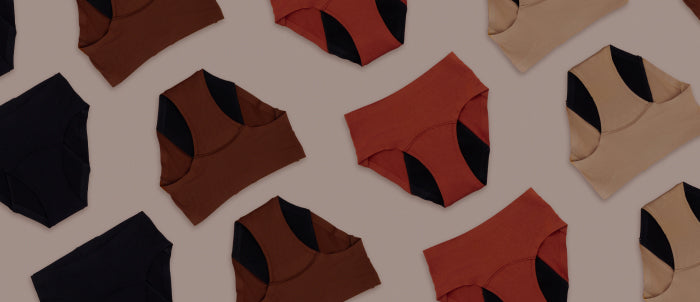
A good pair of period underwear uses absorbent, breathable fabrics that can hold menstrual flow for extended periods, negating the need to constantly change pads. When washed and cared for properly, Mahina’s period panties can be used for 100 washes, replacing pads for 2 years!
As women search for eco-friendly period products, period underwear has become one of the most accessible and realistic options. They feel like regular underwear, they look discreet, and they blend naturally into daily life without the bulk or discomfort of pads.
What Are The Benefits Of Period Panties?
-
A cleaner choice for you and the planet
Pads are made with up to 90% plastic, which means every cycle adds a significant amount of non-biodegradable waste. Period panties work differently because they are fabric-based and completely reusable. Mahina’s period panties are made from OEKO-TEX certified cotton and MicroModal, which are soft, breathable and free from harmful dyes and substances. Choosing fabric-based protection instantly cuts down your monthly plastic use. -
Longer wear time, lower waste
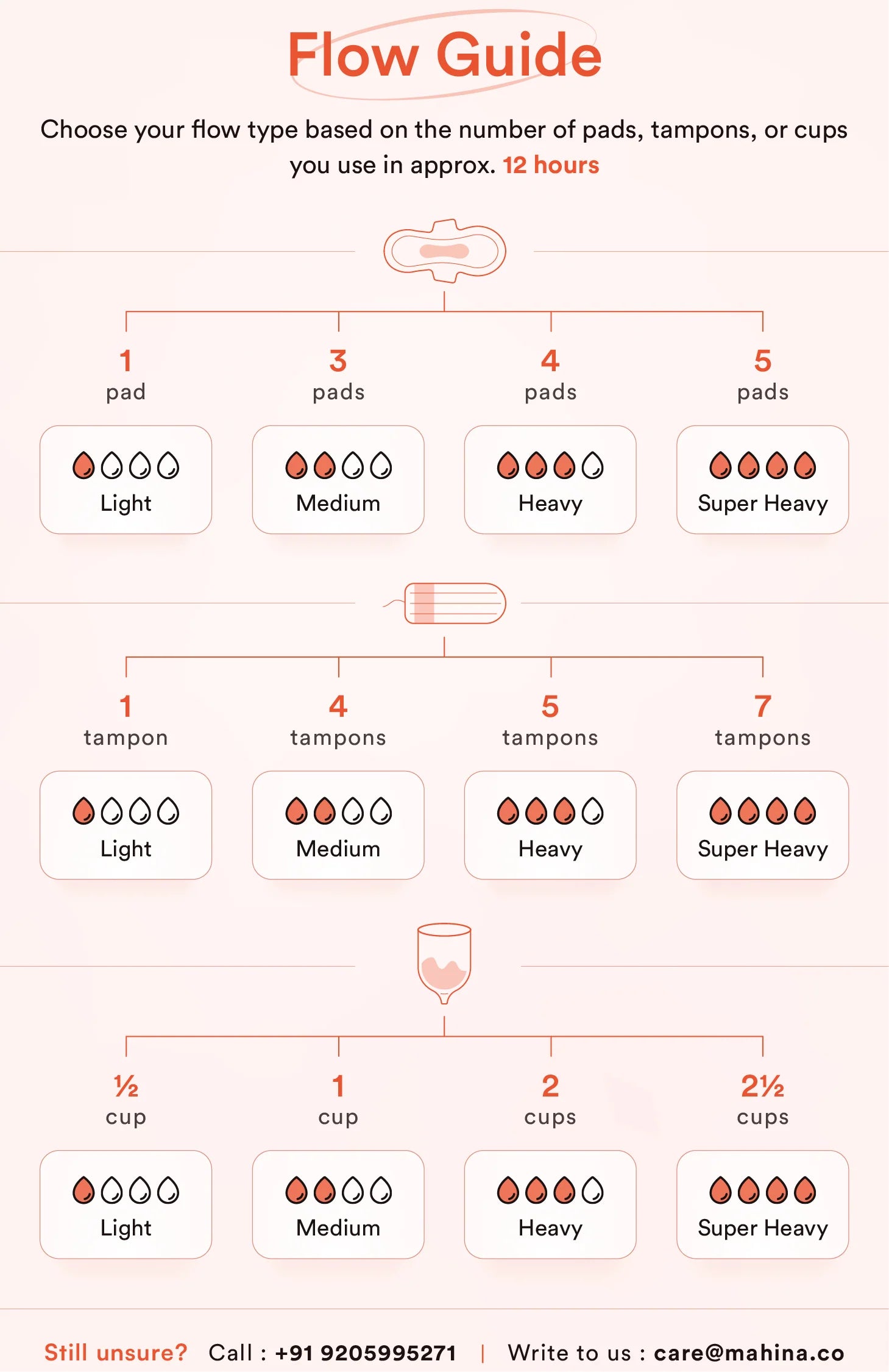
Pads often need changing every 4 to 6 hours, and even more frequently on heavy flow days, which quickly increases waste. Mahina’s period panties can be worn for up to 12 hours, and come in 3 absorbency levels that match each stage of your cycle. Medium absorbency replaces around 3 pads in 12 hours, the Heavy absorbency replaces 4, and the Super Heavy absorbency replaces 5. This reduces disposable waste and brings peace of mind since you are not changing products throughout the day. -
A secure fit without doubling up
Pads offer limited coverage, which is why many people layer multiple products to feel secure. Mahina’s period panties solve this with front-to-back coverage and 7 sizes, ranging from XS to 3XL, so you get a fit that stays in place without needing any extra layers. This reduces waste and keeps your routine simpler. -
Reuse for years, reduce waste for years
Pads are used for only a few hours but take centuries to break down, making their environmental impact much greater than their actual wear time. Mahina’s period panties are designed to last for around 100 washes, giving you years of use with proper care. Even a single pair can replace hundreds of disposable pads. It is a simple way to cut down long-term waste without changing your daily routine.
What Will You Choose?
Periods will always be part of our lives, but the way we manage them is changing. As conversations around planet-friendly period care grow, the shift is becoming visible in many places. Choosing pad-free panties is not about pressuring yourself into a perfect, eco-friendly lifestyle. You can just start with one pair for nighttime, or a pair for lighter days. Even that small step makes a visible difference and reduces the number of pads discarded.
Switching to planet-friendly period care is not about perfection. It is about picking period care that feels better for your body and creates less waste month after month. When one pair of reusable period panties replaces countless disposable pads, the impact becomes easy to see. It is a comfortable, realistic way to care for yourself and the planet with the same decision.

Sources
- National Library Of Medicine: Safe and sustainable waste management of self care products
- National Library Of Medicine: Use of menstrual sanitary products in women of reproductive age: Korea nurses’ health study
- Mordor Intelligence: India feminine hygiene market size & share analysis - growth trends and forecast (2025 - 2030)
- Cleveland Clinic: What is period underwear and does it work?
- WebMD: What is period underwear?
- BBC: Pads, pants or cups: which period product is the most climate-friendly?
- Economic & Political Weekly: Safety standards of sanitary napkins
About The Author