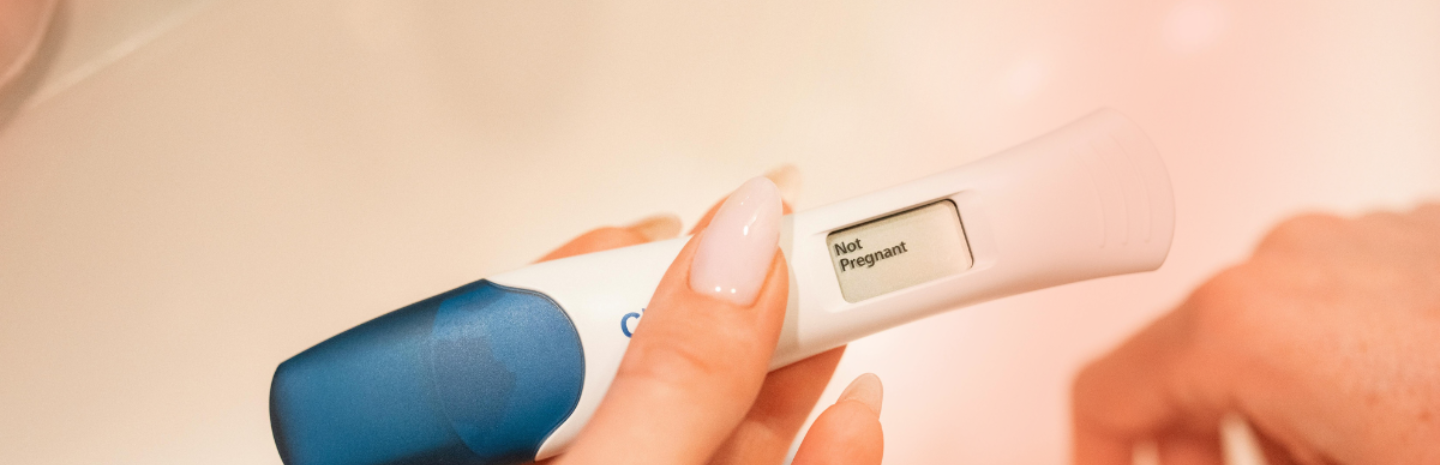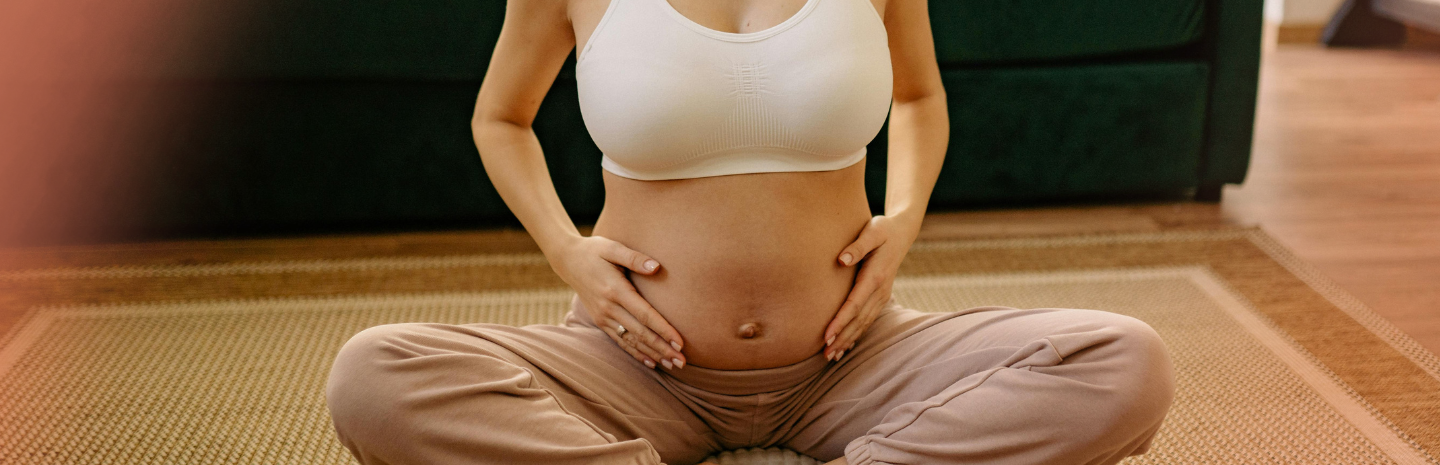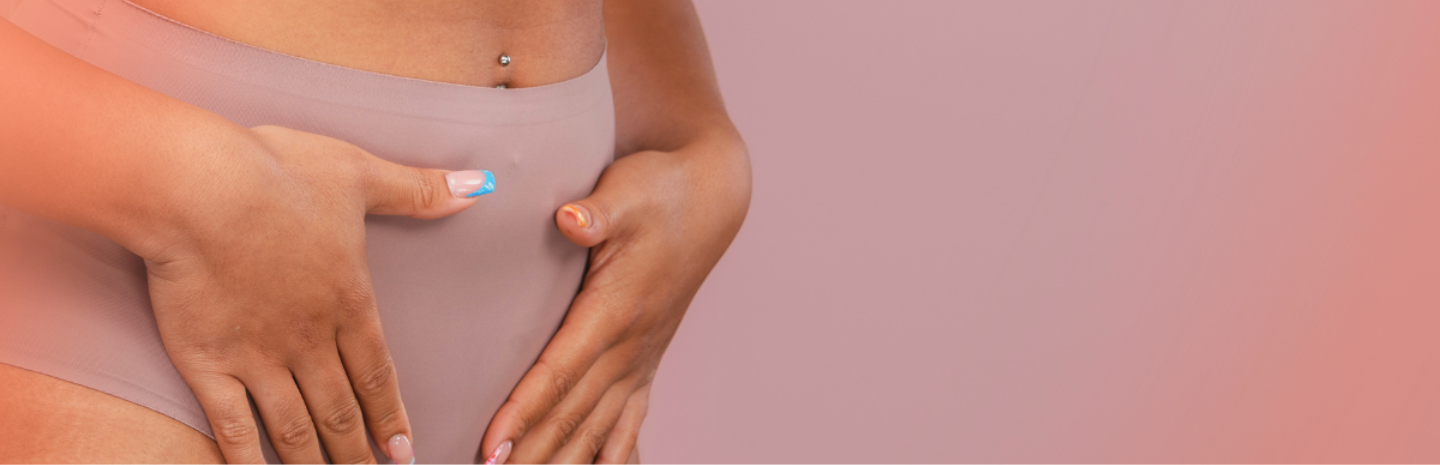


Growing up comes with moments that feel both exciting and uncertain. One of those milestones for girls is their first period. For some girls, it arrives relatively calmly. For others, it comes with a mix of curiosity, worry, or even confusion. No matter how it shows up, this shift marks the body’s natural move into adolescence. And knowing what to expect can make the experience calmer, kinder, and far less overwhelming.
This guide walks you through everything you should know before your first period; what menarche means, the signs that lead up to it, what the bleeding looks like, and how to take care of yourself during these early months.
Understanding Menarche: What It Really Means
To define menarche in the simplest way, it’s the moment your body starts its menstrual cycle. In other words, it means you’ve had your first period. Most girls experience it between the ages of 10 and 15, although it can happen a little earlier or later depending on the body’s natural rhythm. It marks the beginning of the menstrual cycle and is one of the signs that the body has begun to mature reproductively.
Before menarche, the body begins preparing for several months or even years. The first sign of puberty in female development is often breast budding. This is soon followed by the growth of pubic or underarm hair and a noticeable increase in height.
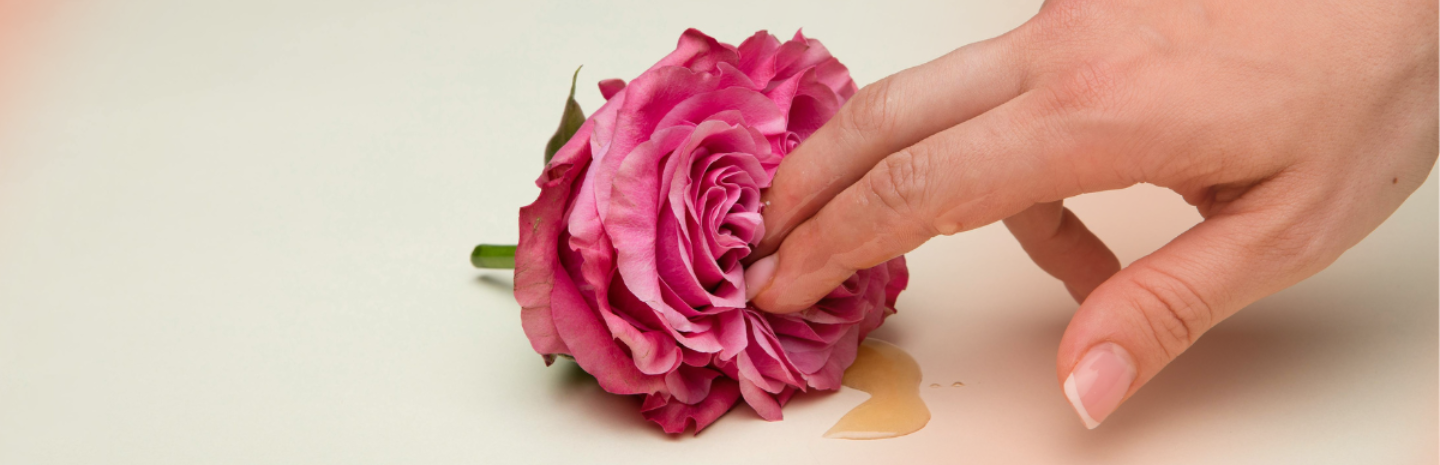
Many girls also notice white or clear vaginal discharge. This is normal and often appears about six months to one year before the first period. It is the body’s way of adjusting to hormonal changes.
First Period Symptoms You May Notice
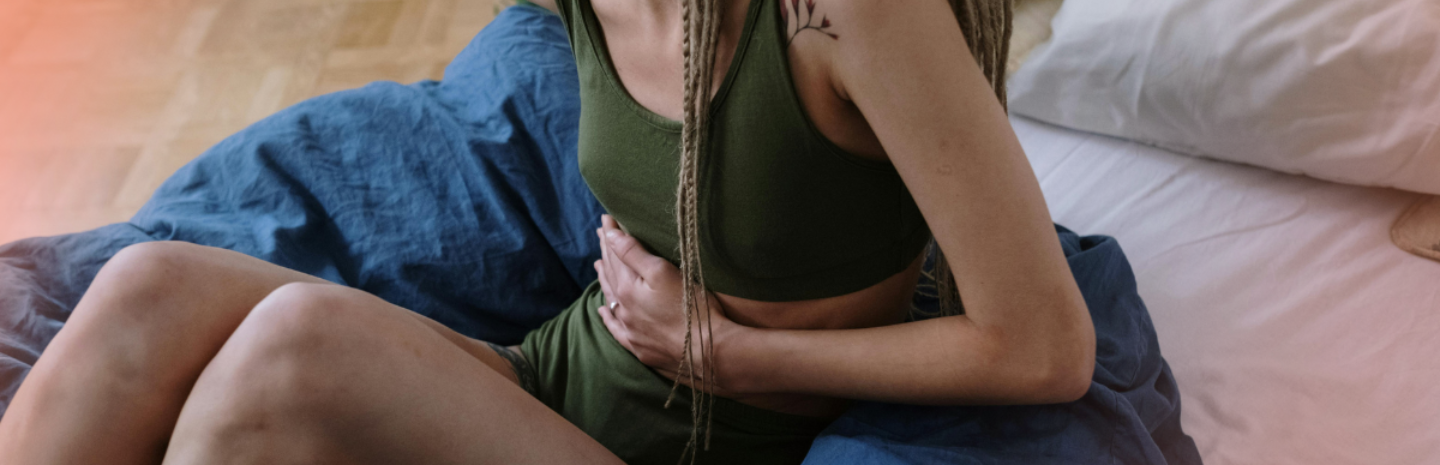
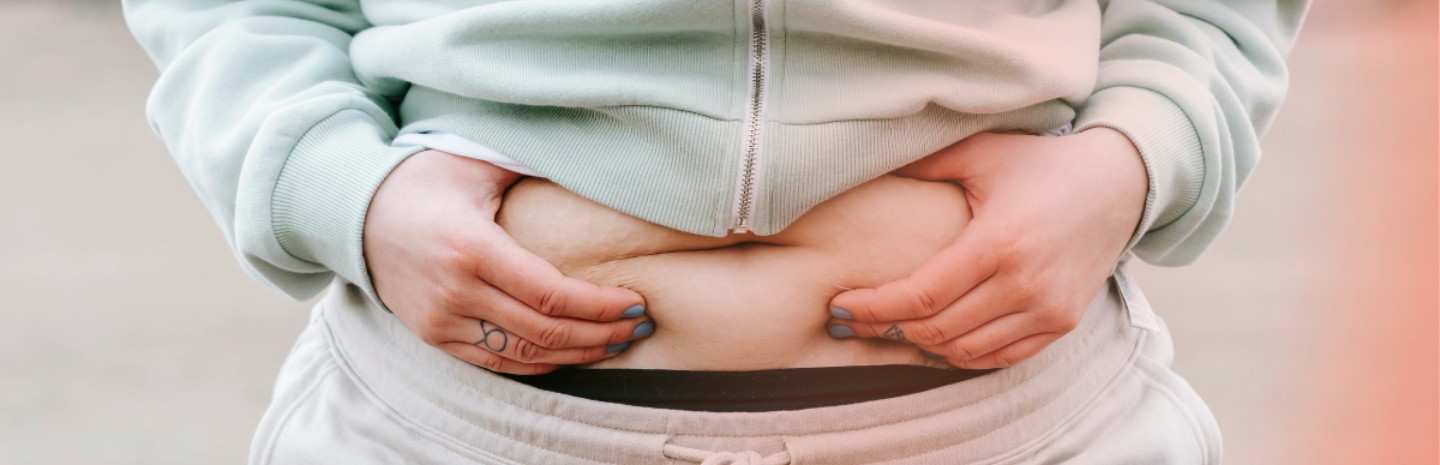
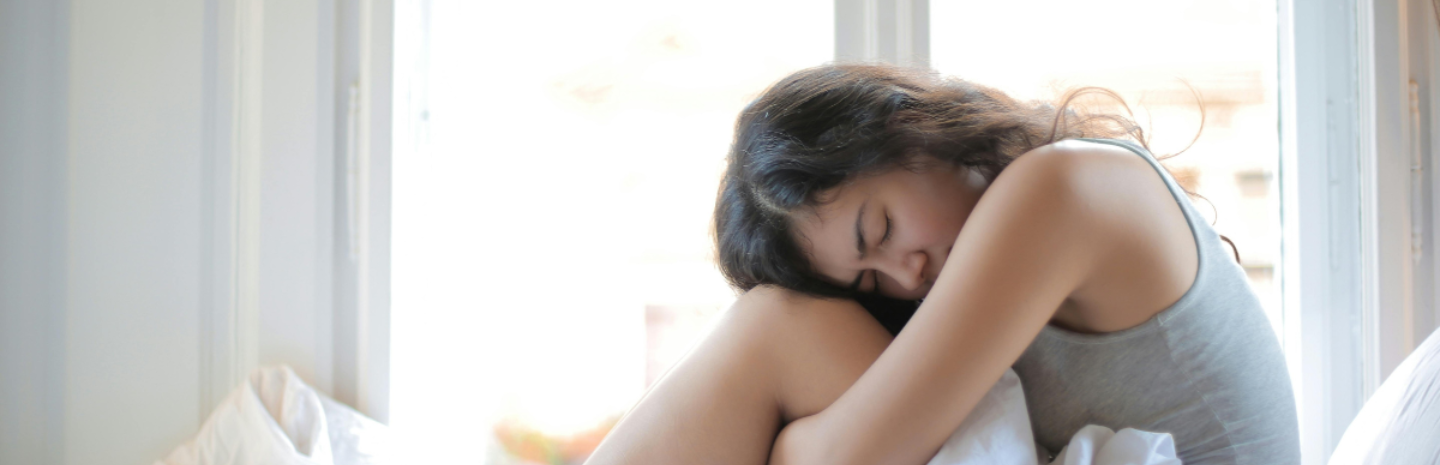
Your first period symptoms may be mild, strong, or barely noticeable. You can often experience:
- A heavy feeling in the lower tummy
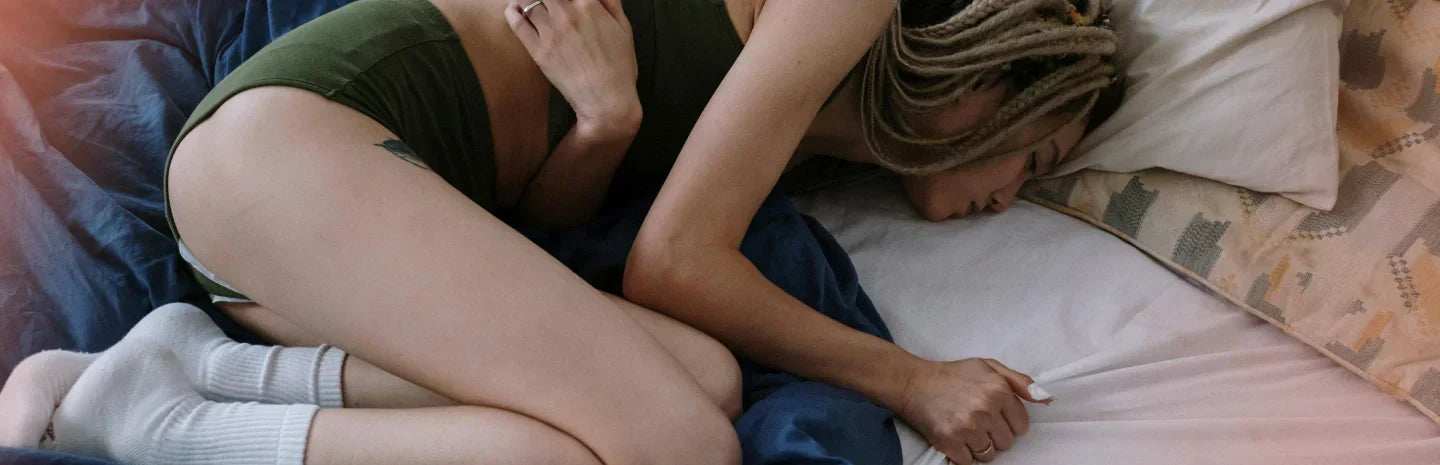
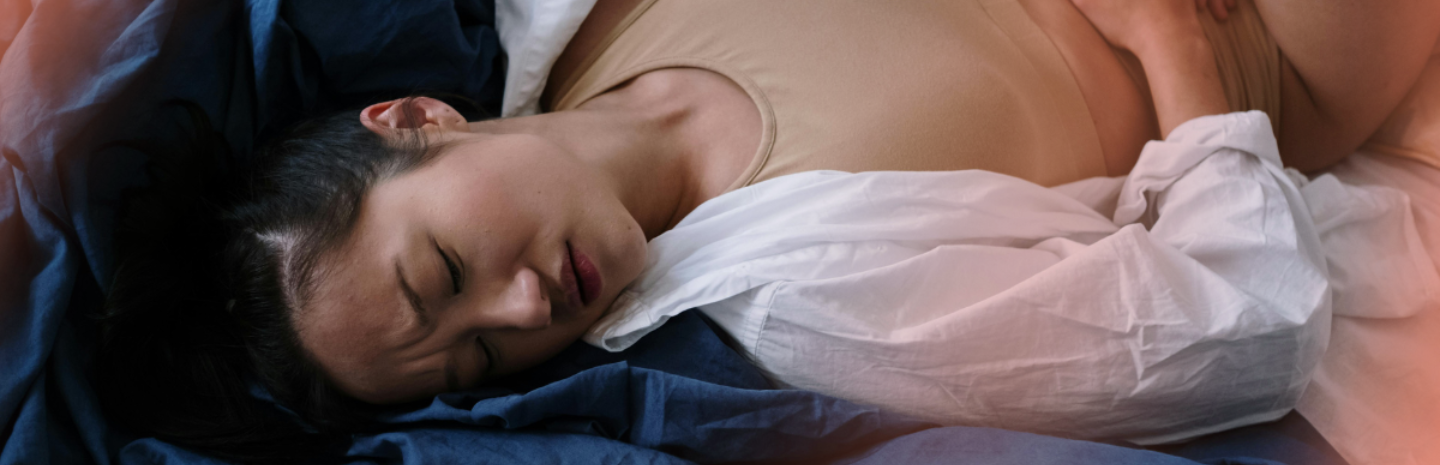
- Mild cramps
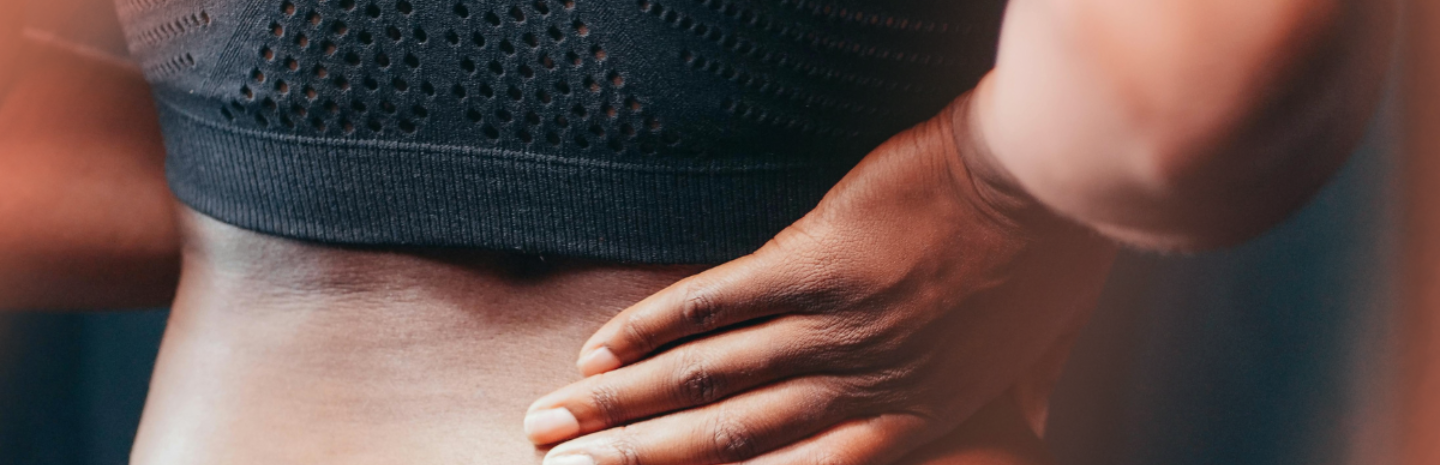
- Backache
- Mood swings
- Bloating
- Slight headaches
These first-period symptoms vary from person to person. Some girls feel all of them, some feel only a few, and some feel almost nothing at all. None of these signs means something is wrong; they are simply your body’s way of signalling that your first period may be approaching.
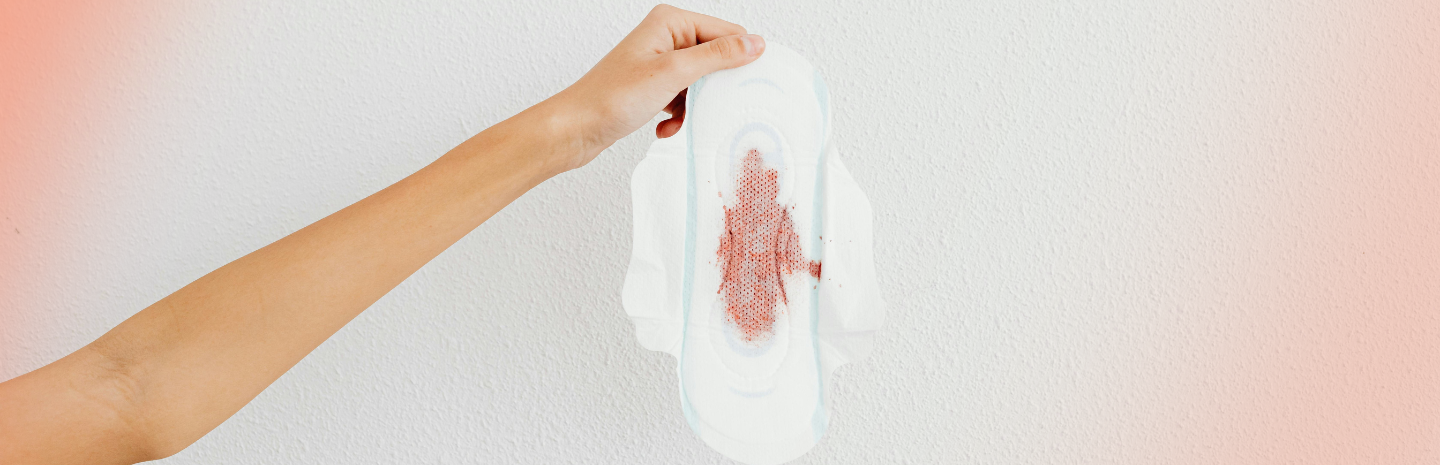
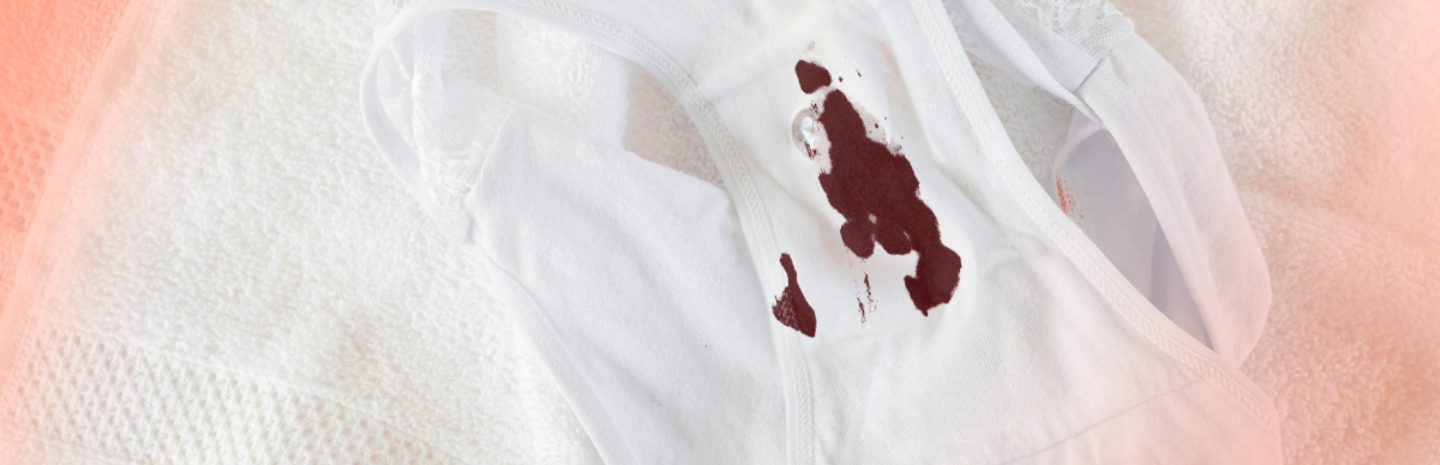
What Your First Period Might Look Like
Your first menses may not look the way you imagine. For many girls, the early cycles are light and gentle. The flow may be:
- Light brown at the beginning
- Spotty on some days
- Pinkish as the cycle starts or ends
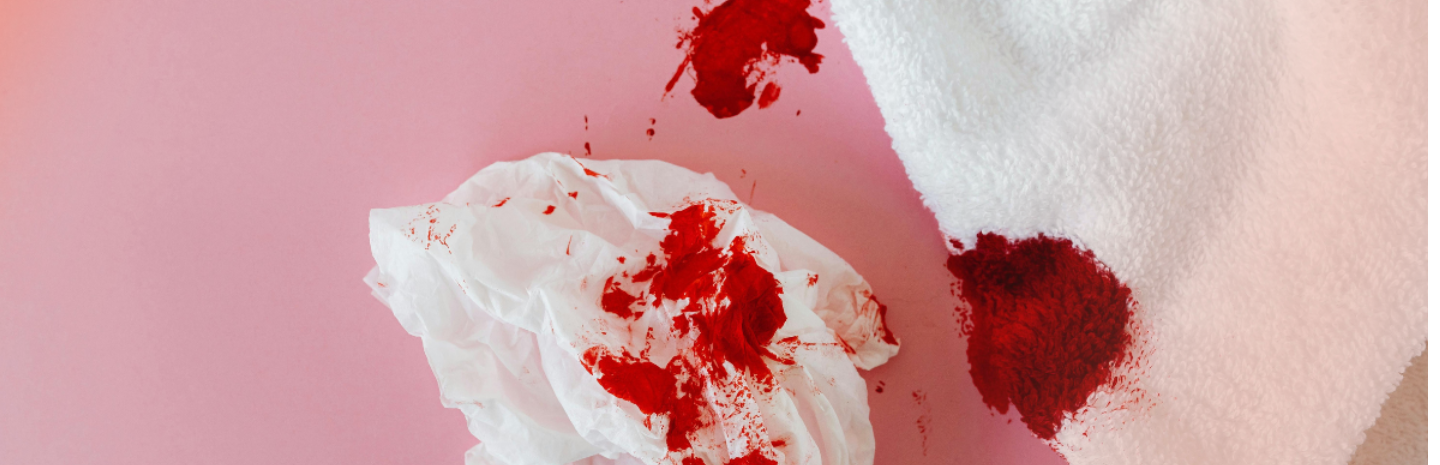
- Or bright red once the flow becomes steady
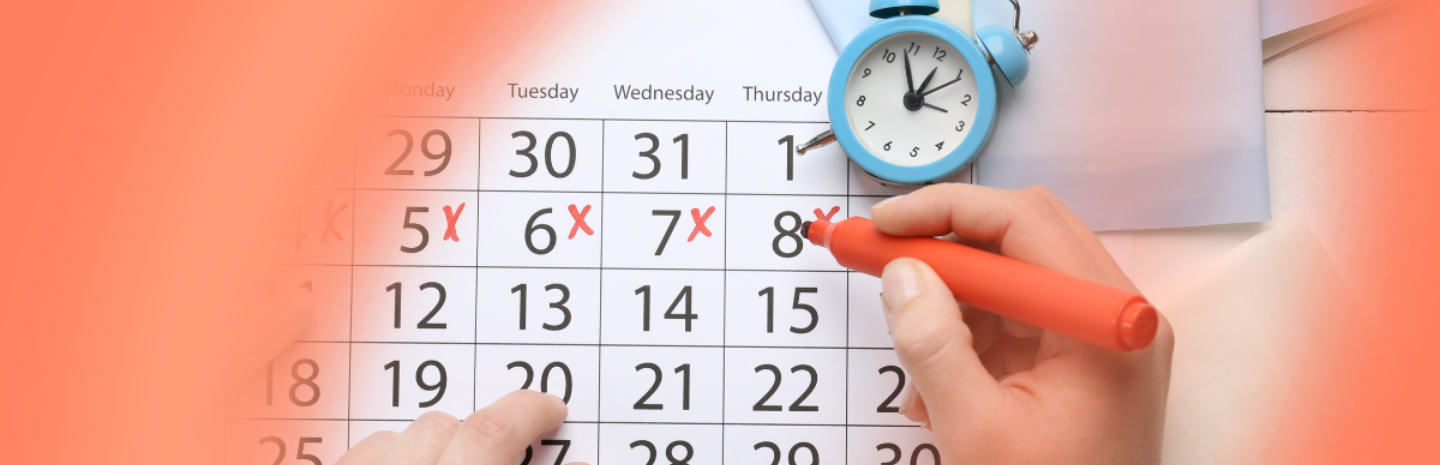
It may start and stop. It may be lighter than you expect. All of this is normal. The body needs time to adjust, and the first few months often feel a little unpredictable. Most periods last 3 to 7 days, but at the beginning, your cycle might be shorter, longer, or irregular. Over time, as your hormones find their rhythm, your flow becomes more consistent.
How To Stay Prepared
In these moments when you’re unsure when your period will arrive, it is best to opt for period care that is safe, reliable and comfortable. Choosing the right product for your early cycles can make all the difference.
- Pads have been the go-to for many menstruators, but they often cause cuts and rashes on sensitive skin. They need to be changed every few hours, which adds more stress than is necessary.
- Menstrual cups and tampons require insertion and strict hygiene routines, which may not feel suitable or comfortable for young bodies just starting out.
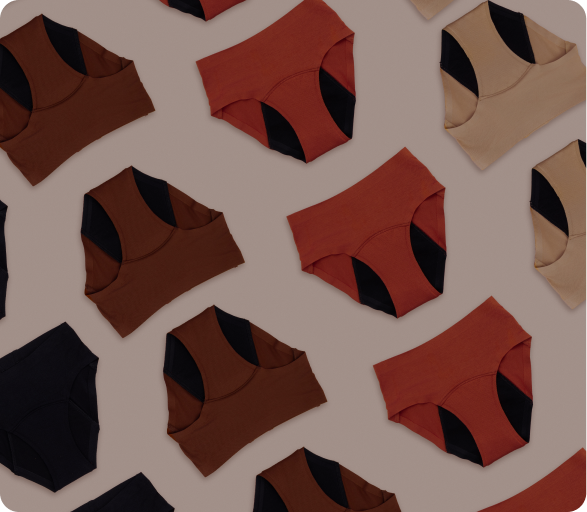
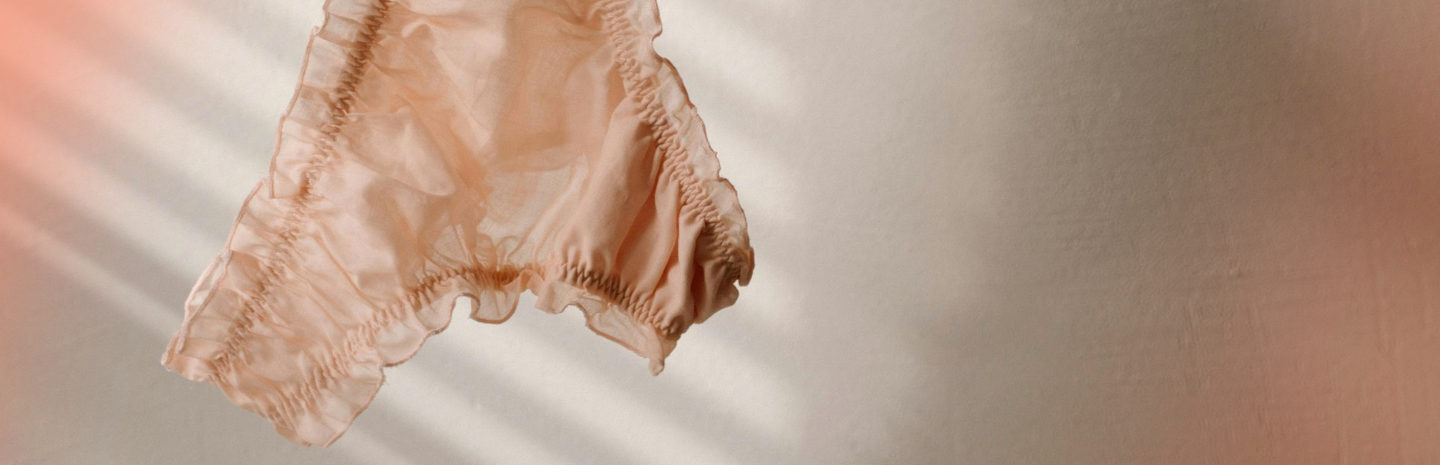
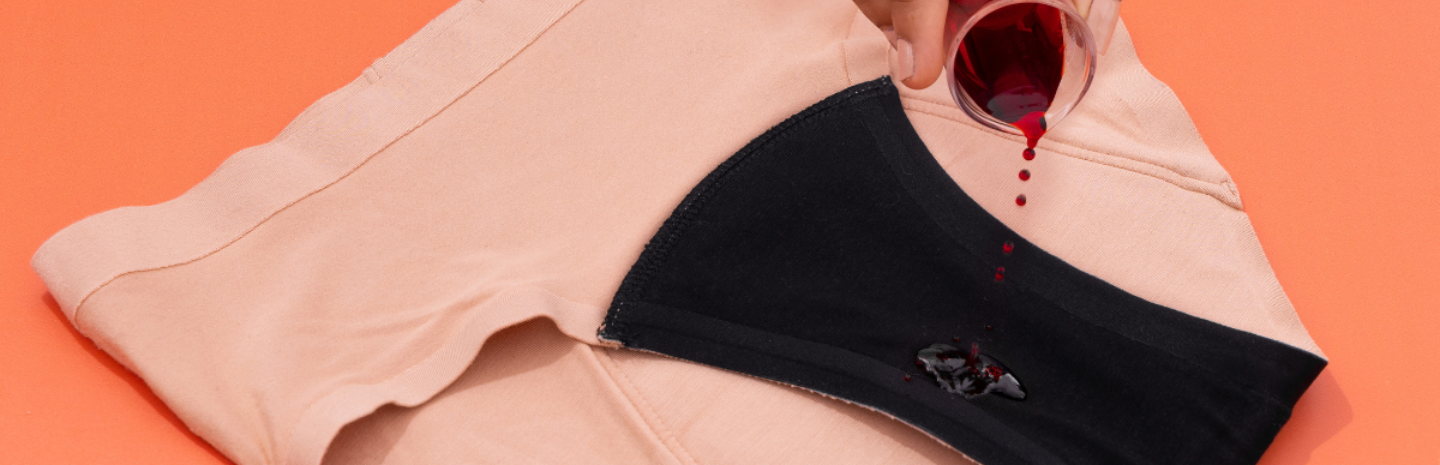
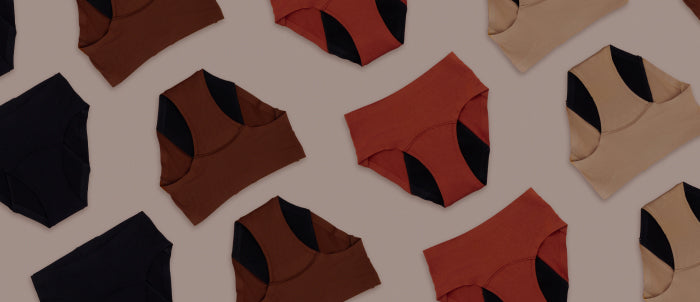
- Period panties for beginners is often a great place to start because it feels like your favourite underwear but has period protection built in.
Mahina’s Teen Period Panty is made specifically for teens. With body-safe cotton fabrics, full front-to-back coverage, and a wear time of 12 hours, you can go about your day without worrying about leaks, stains, or rashes. Regardless of which product you choose, it helps to have a small stash of period essentials you can tuck into your school bag for whenever your period surprises you. Here are a few things to include:
- A fresh pair of period underwear for girls
- pH safe wet wipes (only for external use)
- Sanitiser
- Dark chocolate
- Pain relief balm/oil
Having everything you need right within reach can give you a sense of readiness and reassurance, so you can feel prepared even when your period starts unexpectedly.
Curious which product truly makes those early cycles easier? Read our blog: Teen Period Panty vs Pads: What’s Easier To Start With?
When Should You Speak To A Doctor?
Most early cycles do not need medical help. Still, it’s important to reach out to a doctor if:
- Your cycles stay very irregular after two years
- You bleed so heavily that you soak through pads in an hour
- The pain prevents you from going to school or doing daily activities
- You haven’t had your menarche by age 15
There is nothing wrong with asking for help, and it is best to visit a paediatrician or gynaecologist, as they are trained to guide young girls through these moments with clarity and kindness.
Understanding Your Body, One Change At A Time
Your first period is a significant step in your growing-up journey. It’s a natural, healthy change that unfolds in its own time for every girl. Understanding what menarche means, knowing what first menses may look like, and choosing products that support your comfort can make this stage feel far less overwhelming.
The more openly you talk about your period, the easier it becomes for you to feel prepared rather than anxious. When you understand your body, you move through these changes with confidence, and confidence makes everything feel a little lighter

Sources
- NIH: Why should we be concerned about early menarche?
- Johns Hopkins Medicine: The stages of puberty for girls
- Cleveland Clinic: Menarche
- NHS: Starting your periods
About The Author